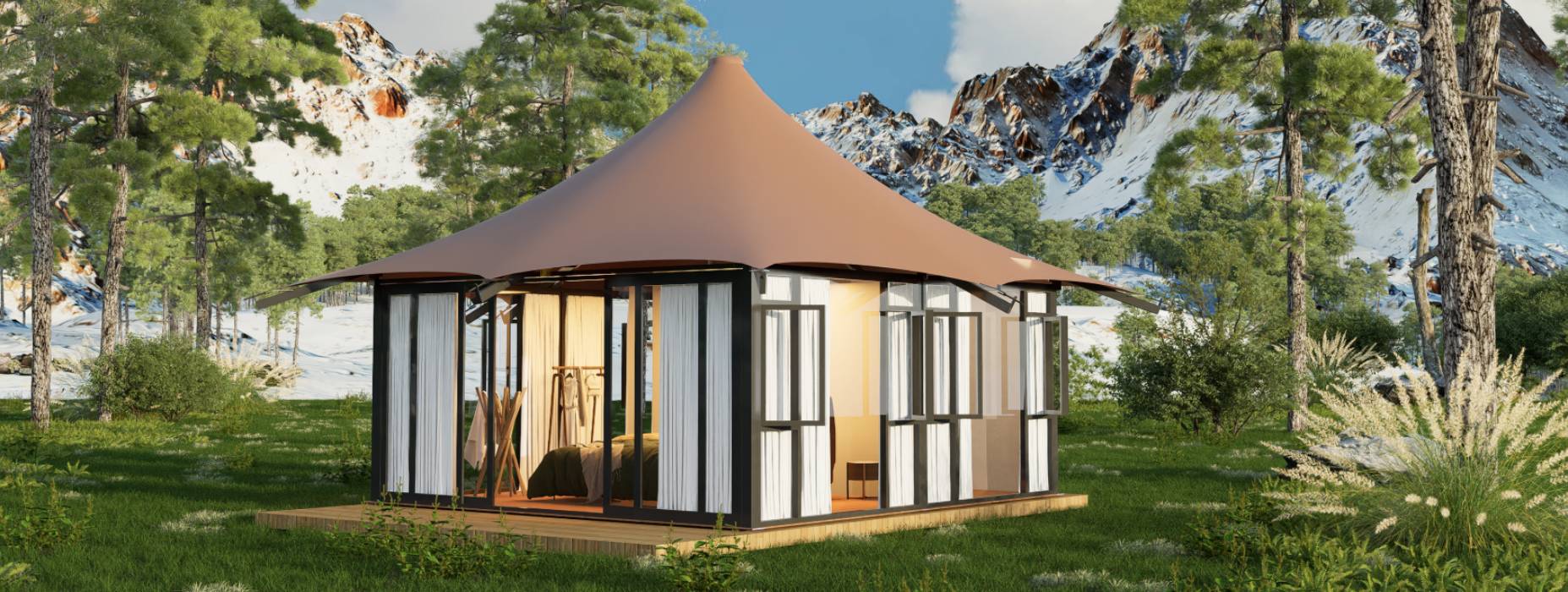
Eco lodge tents that are both waterproof and suitable for four-season use are the gold standard for year-round glamping resorts. These structures need to withstand rain, wind, snow, and temperature extremes while maintaining the natural, eco-friendly aesthetic that defines luxury glamping. This guide explains what makes an eco lodge tent truly four-season and waterproof, key features to look for, and how to choose the right supplier for your year-round glamping project.
What Makes an Eco Lodge Tent 4-Season?
A four-season eco lodge tent is designed to provide comfortable accommodation in all weather conditions, from hot summer days to cold winter nights. Unlike three-season tents that only work in mild weather, four-season models are engineered for year-round operation. Key characteristics include:
Superior Weather Protection
Four-season eco lodge tents must keep guests dry and comfortable in heavy rain, wind, and even snow. This requires:
• Heavy-duty, fully waterproof canvas with sealed seams
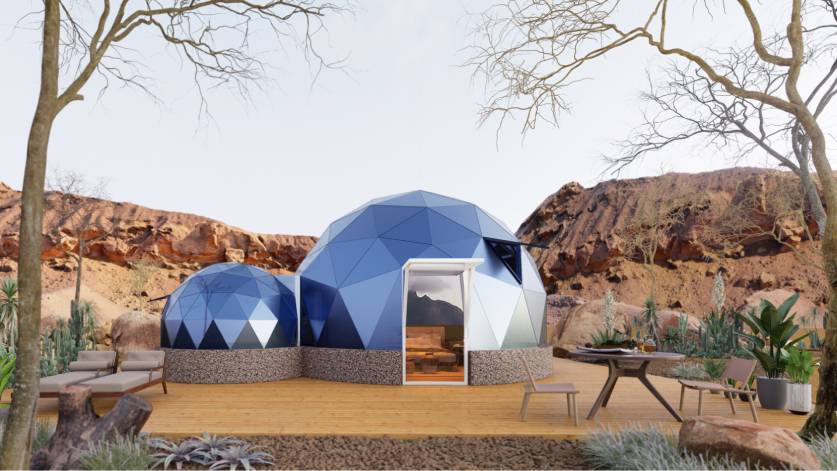
• A sturdy frame engineered for wind and snow loads
• Proper roof pitch for effective water drainage
• Elevated floors to prevent water intrusion from ground moisture
Effective Insulation
To stay comfortable in both hot and cold weather, quality four-season tents include insulation layers:
• Insulated roof panels that reflect summer heat and retain winter warmth
• Wall insulation that reduces heat transfer
• Ventilation systems that prevent condensation buildup
• Optional underfloor heating compatibility
Climate Control Compatibility
True four-season tents are designed to work with heating and cooling systems:
• Pre-wired for electrical connections
• Compatible with electric heaters, wood stoves, or HVAC units
• Ventilation openings that can be adjusted
• Air circulation design that distributes heat or cool air evenly
Key Waterproof Features to Look For
Quality Canvas with Proper Treatments
Waterproofing starts with the fabric itself. Look for eco lodge tents with:
• Heavyweight canvas (650gsm minimum, 850gsm+ preferred)
• Factory-applied water repellent coating that causes water to bead up
• Tight weave that naturally sheds moisture
• Breathable material that prevents condensation buildup inside
Quality canvas is naturally water-resistant when it gets wet—the fibers swell and create an even tighter barrier. But factory treatments enhance this and ensure performance from day one.
Sealed and Taped Seams
The #1 cause of leaks in canvas tents is poor seam construction. Quality four-season eco lodge tents have:
• Double or triple stitching at stress points
• Seam tape or sealant that prevents water seepage through needle holes
• Reinforced corners and edges that are prone to leakage
• Properly designed zippers and closures that keep water out
When evaluating a tent, ask specifically how they seal their seams—this is a detail that separates quality manufacturers from cheap imports.
Proper Roof Design
A waterproof tent starts with good engineering. The roof should:
• Have a steep enough pitch that water runs off quickly
• Have no flat spots where water can pool
• Include rain gutters or drip lines where needed
• Be properly tensioned so the canvas doesn't sag and collect water
Poorly designed roofs will sag and collect water even if the canvas itself is waterproof.
Four-Season Insulation and Comfort
Insulation Layers
Quality four-season eco lodge tents include dedicated insulation layers. These typically sit between the outer canvas and an inner liner, creating a thermal break that:
• Keeps heat inside during winter
• Blocks summer heat from entering
• Reduces condensation by keeping the outer canvas surface warmer
Insulated roof and wall panels are essential for year-round comfort, especially in extreme climates.
Ventilation Systems
Insulation alone isn't enough—proper ventilation is critical to prevent condensation. Four-season tents should have:
• Roof vents that allow hot, moist air to escape
• Adjustable wall vents that let you control airflow
• Cross-ventilation design that promotes air circulation
• Breathe fabric that allows moisture to pass through without letting water in
Good ventilation keeps the interior dry and comfortable, even in cold weather when windows are closed.
Heating and Cooling Options
Four-season eco lodge tents should work with various climate control options:
•Heating: Electric heaters, propane heaters, or wood stoves
•Cooling: Fans, evaporative coolers, or mini-split air conditioning
•Underfloor heating: Premium option that adds luxury and comfort
Make sure the tent design includes safe mounting points and ventilation for whatever heating or cooling system you plan to use.
Frame Engineering for All Weather
The frame must be strong enough to handle wind, rain, and snow:
Material Quality
Four-season tents use sturdy, weather-resistant frames:
• Galvanized steel for maximum strength and rust resistance
• Aluminum alloy for lighter weight and natural corrosion resistance
• Adequate wall thickness to handle wind and snow loads
• Quality connectors and joints that won't loosen over time
Load Ratings
A reputable manufacturer will provide specific engineering data:
• Wind load rating (how much wind the tent can withstand)
• Snow load rating (how much accumulated snow the roof supports)
• Anchoring specifications for different soil types
Make sure the tent's engineering matches your local weather conditions. A tent designed for mild climates may fail in a region with heavy snow or strong winds.
Choosing a Four-Season Eco Lodge Tent Manufacturer
Look for Proven Four-Season Experience
Not every tent maker understands what it takes to build a true four-season eco lodge. Look for a manufacturer with:
• Proven experience with permanent glamping installations
• Projects in cold or harsh climates
• Engineering documentation for wind and snow loads
• A portfolio of year-round operating resorts
Ask for Climate-Specific Recommendations
A good manufacturer will ask about your specific location and climate before recommending a tent. They should advise you on:
• Insulation level appropriate for your temperature range
• Frame specifications for local wind and snow loads
• Ventilation design for your humidity level
• Heating or cooling system compatibility
If they just sell you a standard model without asking about your climate, be cautious.
Request Technical Documentation
For four-season installations, technical documentation is essential. A quality manufacturer should provide:
• Wind and snow load calculations
• Material specifications and waterproof ratings
• Installation instructions and anchoring details
• Fire safety documentation
Frequently Asked Questions
Are four-season eco lodge tents truly waterproof?
Yes, quality four-season eco lodge tents are designed to be fully waterproof. They use heavyweight, treated canvas with properly sealed seams that keep rain out even in heavy downpours. However, "waterproof" doesn't mean they'll survive being submerged or that they're impervious to extreme conditions. Proper installation, regular maintenance, and re-waterproofing every 1-2 years will ensure they continue to perform well. Always follow the manufacturer's maintenance guidelines to keep your tent waterproof over time.
What temperature range can four-season eco lodge tents handle?
With proper insulation and heating, four-season eco lodge tents can comfortably operate in temperatures ranging from -20°C (-4°F) to 40°C (104°F) or more. The exact range depends on your insulation level, heating system, and how well the tent is sealed. In very cold climates, additional insulation and a reliable heating system are essential. In hot climates, ventilation and UV-protective coatings become more important. Work with your manufacturer to specify the right setup for your local climate.
How do I prevent condensation in four-season tents?
Condensation is a common concern with enclosed, insulated tents. To prevent it:
• Ensure proper ventilation—roof vents and adjustable wall vents are essential
• Use breathable canvas that allows moisture to escape
• Use an inner liner system that creates an air gap
• Run exhaust fans in the bathroom and kitchen areas
• Avoid introducing excess moisture (dry firewood, ventilize showers, etc.)
A well-designed four-season tent system manages moisture naturally, but good operational practices also help.
Do four-season eco lodge tents cost more than standard models?
Yes, four-season eco lodge tents typically cost 15-30% more than three-season or basic models. The extra cost covers heavier canvas, insulation layers, reinforced framing, and enhanced ventilation systems. However, the investment pays off because you can operate your glamping business year-round instead of only during mild seasons. The extended operating season usually justifies the higher upfront cost within the first year or two.
Conclusion
Waterproof, four-season eco lodge tents are essential for year-round glamping resorts. They combine natural, eco-friendly aesthetics with the durability and comfort needed to operate in any climate. By choosing quality materials, proper engineering, and an experienced manufacturer, you can create comfortable, sustainable accommodation that delights guests in every season.
When selecting a four-season eco lodge tent, prioritize weather resistance, insulation, and ventilation over the lowest price. A well-built, properly insulated tent will keep guests comfortable year-round, reduce operating costs, and extend your season. With the right four-season eco lodge tents in place, your resort can operate profitably 12 months a year, maximizing your return on investment and delivering exceptional guest experiences regardless of the weather outside.