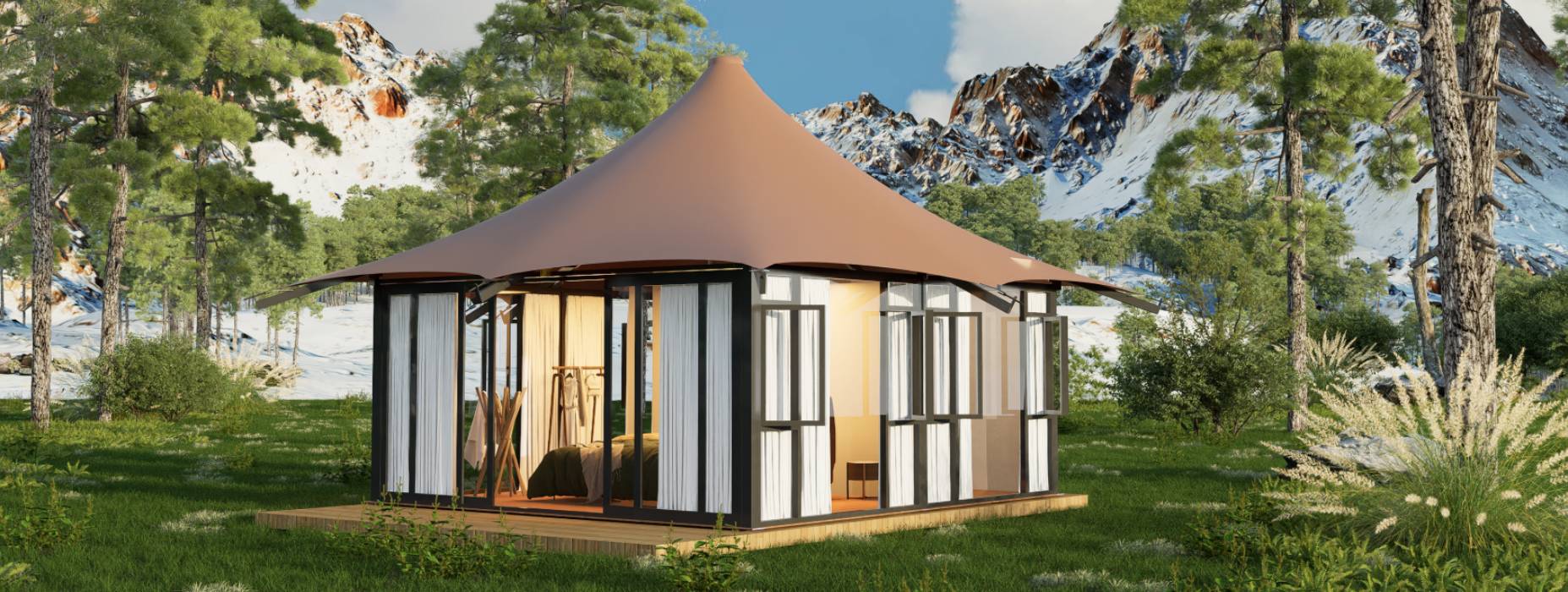
Outdoor living tents have become essential for commercial hospitality businesses looking to expand their usable space and enhance the guest experience. From resort lounges and poolside cabanas to event venues and dining pavilions, these structures offer flexible, attractive space at a fraction of the cost of permanent construction. This guide explains how to choose outdoor living tents for commercial use, what features to prioritize, and how to maximize the value of your investment.
Why Commercial Businesses Invest in Outdoor Living Tents
Expand Usable Space Quickly and Cost-Effectively
Permanent building construction is expensive, time-consuming, and requires extensive permitting. Outdoor living tents can be installed in days or weeks at a fraction of the cost per square meter. For restaurants, resorts, and event venues, this means you can add valuable space without the long wait and high capital outlay of traditional construction.
Versatile Multi-Purpose Space
Commercial outdoor living tents can serve many functions. The same structure can operate as:
• A shaded lounge area during the day
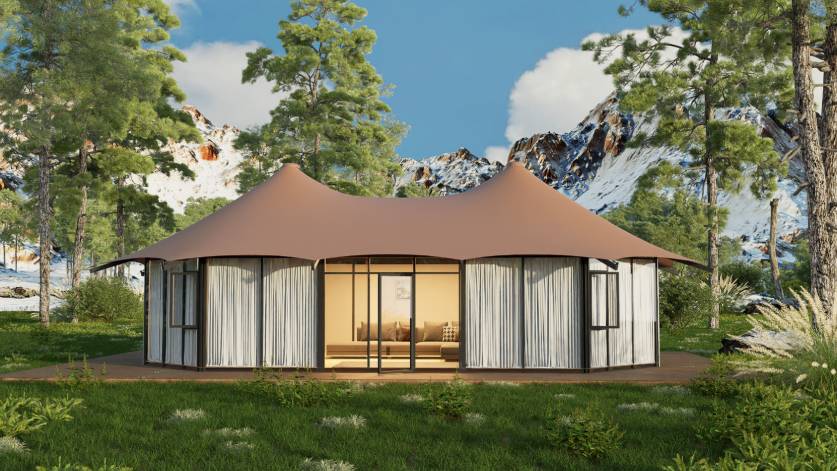
• An al fresco dining space for meals
• An event venue for private functions
• A poolside cabana or beach bar
• A wellness or yoga space
This versatility means you're not locked into a single use—the tent can adapt as your business needs evolve.
Enhance Guest Experience
Modern travelers and diners increasingly seek outdoor experiences. Outdoor living tents provide comfortable, weather-protected space that lets guests enjoy the outdoors without being exposed to sun, rain, or insects. Well-designed outdoor spaces enhance your property's ambiance and justify premium pricing.
Scalable and Relocatable
If your business grows, you can easily add more tent space. If you need to reconfigure your layout or move to a new location, outdoor living tents can be disassembled and relocated. This flexibility is a major advantage over permanent structures, which are fixed in place.
Key Features for Commercial-Grade Outdoor Living Tents
Durable, Heavy-Duty Construction
Commercial use demands sturdier construction than residential or occasional-use tents. Look for:
•Heavy-duty canvas: 650gsm or higher, with waterproof, UV-resistant, and fire-retardant treatments. For high-traffic commercial use, 850gsm+ canvas is worth the investment.
•Robust framing: Galvanized steel or aluminum frames with adequate wall thickness. Commercial tents should be engineered for permanent installation.
•Quality hardware: Zippers, hinges, and connectors should be commercial-grade and corrosion-resistant. These see frequent use and need to hold up over time.
Cheaper, lightweight tents may work for occasional weekend use but won't survive years of daily commercial operation.
Weather Resistance and Longevity
Commercial outdoor tents need to withstand constant exposure to the elements. Prioritize:
• UV-resistant fabric that won't fade quickly
• Waterproof construction with sealed seams
• Rust-resistant frame materials
• Proper drainage design (no water pooling on the roof)
• Wind load engineering appropriate for your location
The last thing you want is your outdoor space out of commission after the first storm.
Comfort and Amenities Compatibility
For commercial use, your outdoor living tent should support guest comfort features:
• Electrical wiring for lighting and fans
• Mounting points for heaters or air conditioning units
• Flooring options (wood decking, composite, etc.)
• Curtain or screen systems for privacy and insect protection
• Mounting points for TVs, speakers, or other amenities
Safety and Code Compliance
Commercial structures need to meet safety regulations. Ensure your outdoor living tent meets:
• Fire safety standards (fire-retardant materials)
• Proper egress and exit requirements
• Wind and snow load engineering standards
• Local building codes for commercial occupancy
Your tent supplier should be able to provide documentation that demonstrates compliance with relevant standards.
Popular Types of Commercial Outdoor Living Tents
Safari-Style Pavilions
Safari-style outdoor tents offer an elegant, resort-like aesthetic. Their high ceilings and open sides create a spacious, inviting atmosphere. They're ideal for fine dining, cocktail lounges, or premium poolside cabanas. The classic design blends beautifully with natural surroundings and upscale hospitality properties.
Geodesic Dome Lounges
Geodesic domes make unique, eye-catching outdoor spaces. Their curved shape and panoramic windows create a memorable, Instagram-worthy environment. Domes work well as stargazing lounges, wellness studios, or intimate event spaces. The geodesic design also offers excellent structural strength and weather resistance.
Pagoda and Pavilion Tents
Pagoda-style tents feature a distinctive peaked roof that adds a touch of elegance. They're commonly used as poolside cabanas, beach bars, or shaded dining areas. These tents come in various sizes and can be combined to create larger, interconnected spaces for events.
Canvas Stretch Tents
Stretch tents offer flexibility and modern aesthetics. They can be configured in various shapes and sizes, adapting to different site layouts. Their modern, sleek design appeals to contemporary event venues and urban hospitality properties.
Sizing and Capacity Planning
Choosing the right size depends on how you plan to use the space:
•20-30 sqm: Intimate lounge or small dining area, seats 8-12 people comfortably
•40-60 sqm: Mid-sized event space, accommodates 20-40 people for gatherings or dining
•80-120 sqm: Large function space, suitable for weddings, corporate events, or group functions
When planning, remember to account for circulation space, furniture placement, and any service areas you need within the tent. It's better to have slightly more space than to overcrowd.
Installation and Maintenance
Professional Installation
For commercial-grade outdoor living tents, professional installation is highly recommended. A properly installed tent will perform better, last longer, and be safer. Many tent suppliers offer installation services or can recommend professional installers in your area.
Ongoing Maintenance
To maximize the lifespan of your commercial outdoor living tent:
• Clean the canvas regularly to remove dirt, leaves, and debris
• Inspect after extreme weather events
• Re-waterproof the canvas every 1-2 years
• Check frame connections and hardware periodically
• Store side walls properly when not in use during off-season
Proper maintenance extends the life of your tent and ensures it always looks its best for guests.
Frequently Asked Questions
How much do commercial outdoor living tents cost?
Commercial outdoor living tent pricing varies by size, materials, and features. Smaller units (20-30 sqm) typically start at $2,000-$4,000. Mid-sized pavilions (40-60 sqm) range from $4,000 to $10,000. Large, premium structures with custom features can cost $15,000+. Remember to budget for additional elements like flooring, furniture, lighting, and installation. Buying directly from a factory in bulk offers the best value for commercial projects.
How long do commercial outdoor living tents last?
With proper maintenance, commercial-grade outdoor living tents last 7-12 years or more. The frame can last 15+ years, while the canvas typically needs replacement after 7-10 years, depending on UV exposure and weather conditions. Regular cleaning, re-waterproofing, and inspections will extend the lifespan. Investing in heavy-duty commercial-grade materials upfront pays off in longer service life and fewer replacements.
Can outdoor living tents be used in all seasons?
Yes, with the right configuration, outdoor living tents can be used year-round. For colder months, you can add side walls, install heaters, and enclose the space fully. In warmer weather, open the sides and use natural ventilation or fans. Many commercial properties operate their outdoor spaces 12 months a year, adjusting the configuration based on the season and weather. Four-season models with insulation offer the most flexibility.
Do I need planning permission for a commercial outdoor living tent?
Planning regulations vary by location and the size and type of structure. In many areas, temporary or semi-permanent tent structures have simpler requirements than permanent buildings. However, for commercial use, there are typically additional regulations around fire safety, public access, and business licensing. Always check with your local planning department and building codes before installing a commercial outdoor living tent on your property. It's better to be informed upfront than to face costly issues later.
Conclusion
Outdoor living tents are a smart investment for any commercial hospitality business. They provide flexible, attractive space at a fraction of the cost of permanent construction, enhancing the guest experience and expanding your revenue potential. By choosing commercial-grade materials, proper sizing, and a reputable supplier, you can create outdoor spaces that delight guests and serve your business for years to come.
When sourcing outdoor living tents for commercial use, prioritize durability, safety, and comfort over the lowest price. A well-built, properly maintained outdoor space will pay for itself many times over through increased guest satisfaction, additional revenue, and extended operating seasons. With the right outdoor living tent solution, you can transform your property and create memorable experiences that keep guests coming back.