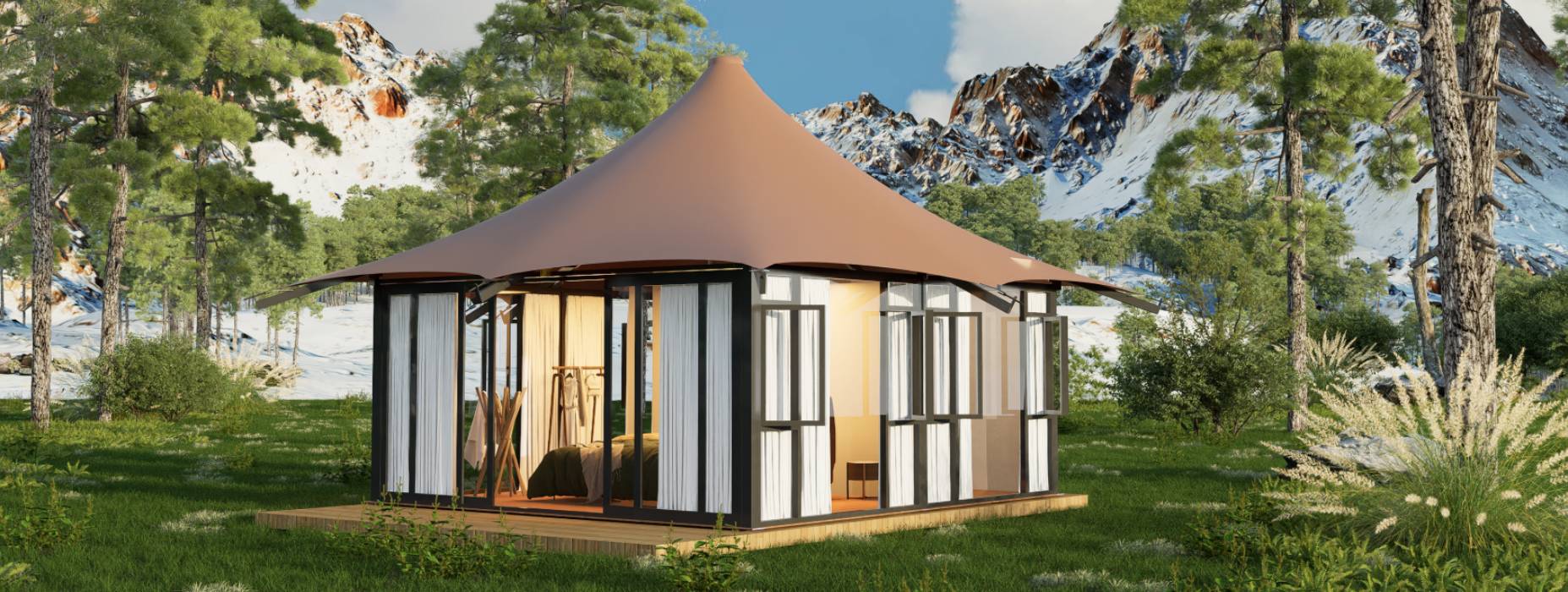
The first rule of family camping? Everyone should go home happier than they arrived. That includes parents craving relaxation and kids bursting with energy—a balancing act traditional sites rarely master. Enter the revolution quietly reshaping how families explore the wild: luxury glamping tents designed specifically for multigenerational joy, complete with dedicated play zones and communal BBQ pits turning mealtime into memory-making magic. Here, dirt trails lead to starlit movies projected onto inflatable screens, and bedtime stories compete gently with cricket orchestras outside. This is camping reimagined—not as survival practice, but as curated childhood enchantment where adults finally exhale too.
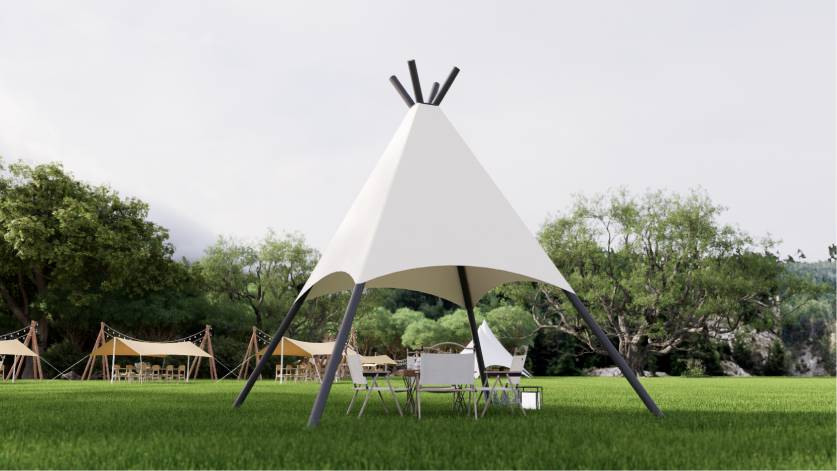
Space Designed for Tiny Feet (and Big Laughs)
These aren’t scaled-down adult tents with awkward add-ons. Architects started from scratch considering pint-sized perspectives: vaulted ceilings high enough for impromptu kite flights indoors; rounded corners softening inevitable collisions during tag games; multiple entry points preventing bottlenecks when little ones rush back from mud puddle adventures. Floor plans divide clearly into zones—sleeping nooks curtained off for privacy, open lounges flooded with natural light doubling as Lego land, and alfresco decks extending living space beneath shade sails trimmed in rainbow bunting. One Montana retreat even built floor trapdoors revealing secret tunnel slides spiraling down to sandboxes hidden beneath root systems—kids emerge giggling like groundhogs emerging from winter slumber.
Materials choose durability over delicate aesthetics. Upholstery sports crypton fabric impervious to juice spills and crayon mishaps; rugs feature washable silicone backing surviving paintball battles (accidental or otherwise); furniture uses marine-grade plywood resisting splinter risks during fort construction. Smart storage solves parental anxiety: built-in cubbies hold wellies, rainboots line lower shelves ready for sudden showers, and overhead nets catch flying toys mid-air before they vanish into grass oceans. As one dad noted after weeklong occupancy: “We stopped saying ‘Don’t touch that!’ on day three.” Freedom reigns here—safely.
Playground Physics Reimagined
Adjacent adventure parks abandon plastic genericness for inventive ecosystems blending challenge and whimsy. Think suspension bridges spanning dry creek beds lined with smooth stones perfect for skipping; treehouse lookouts connected by wobbly rope bridges testing courage incrementally; enormous chessboards painted directly onto turf using non-toxic dyes where pawn pieces double as hopscotch squares. At Colorado’s Pine Cone Ranch, life-sized wooden dinosaurs lurk behind foliage near scientifically accurate fossil replicas buried waiting discovery—geology lessons disguised as Jurassic Park quests. Staff train as play facilitators, not monitors: they organize scavenger hunts themed around local lore (find the “missing” prairie dog’s bone!), lead firefly catching expeditions armed with mesh jars and flashlights, and demonstrate whipping up mud pie dough using edible flour mixes safe if accidentally sampled.
Water features dominate strategically. Shallow splash pads equipped with adjustable spray nozzles let toddlers conduct hydro experiments without drowning risks; above-ground pools include gradual slope entries eliminating ladder fears; even creek access points feature rope handles aiding safe wading under watchful eyes. After dark, inflatable movie screens transform into drive-in theaters showing animated classics while popcorn maker drones deliver buttery batches via QR code orders placed from blanket pallets below. No screen time limits exist here—just collective gasps during dragon scenes echoing off canyon walls.
The Sacred Ritual of Fire & Flame
If playgrounds fuel daytime chaos, then BBQ pits anchor evening sacred rites. These aren’t flimsy portable grills teetering over uneven logs—they’re stone-lined hearths deep enough roasting marshmallows golden without singeing eyebrows, flanked by prep stations stocked with child-safe knives and cutting boards engraved with cartoon veggies guiding portion control. Custom rotisseries spin whole chickens slowly basting in herb butter scent permeating entire meadows; cast iron Dutch ovens bubble stews simmered since dawn using recipes passed down through resident pioneer families. Parents swap cooking tips across crackling flames like old neighbors sharing fence posts; kids form assembly lines shaping patties from locally sourced beef ground daily at nearby farms. Side dishes arrive theatre-style: baked beans arrive in mini cast iron pots still sizzling; corn on cob gets slathered with honey butter poured from ceramic jugs shaped like bears. Dessert involves everyone—adults turning sausage links into constellations while children construct s’more towers collapsing spectacularly under gravity’s command.
Safety merges seamlessly with festivity. Fire pits sit within gravel rings keeping sparks contained yet accessible; extinguishers hang prominently beside kid-height hooks labeled “EMERGENCY STOP!”; thermoses filled with hot chocolate appear mysteriously whenever shivers begin despite fleece blankets piled high nearby. Grandparents share ghost stories involving friendly woodland spirits rather than boogeymen; teens teach younger siblings card games using glow-in-dark decks purchased earlier at camp stores run entirely by youth council members earning community service credits. Marshmallow roasting becomes science class: different flame intensities alter melting rates predictably until perfect gooey centers emerge—hypotheses tested repeatedly under starry skies.
Nature’s Classroom Without Walls
Beyond structured activities lie organic learning moments blooming organically. Kids track animal footprints pressed into damp soil beside tent entrances—deer cloven hoofmarks versus fox pointy paws become morning detective work prompting field guides consulted eagerly via tablet apps synced offline. They measure rainfall collecting in custom rain gauges shaped like giant pitchers mounted outside dining pavilions; chart wind directions using pinwheel anemometers spinning lazily atop flagpoles decorated with painted dreams caught midair. At dusk, night vision goggles rent from front desk reveal secret lives unfolding after dark: raccoons washing stolen corn kernels downstream, bats performing aerial ballets silhouetted against twilight purples. Teenagers document findings digitally creating e-books illustrated with their own photographs printed later at camp offices binding memories physically alongside pressed flower specimens gathered walks earlier.
Parental downtime arrives guilt-free because supervision feels collaborative, not confining. While monitoring older children ziplining through maple forest canopies, adults lounge on Adirondack chairs sipping craft breweries delivered weekly from microbreweries thirty miles away—local partnerships ensuring fresh kegs tapped honoring regional terroir over mass-produced lagers. Nannas knit socks beside portable fireplaces discussing gardening tips exchanged across generations; fathers compare fishing tales casting lines simultaneously into stocked ponds stocked sustainably each spring opening day. Meal cleanup involves everyone rinsing plates together under solar-heated water systems powered geothermally—choreography becoming bonding ritual rather than obligation.
Why This Model Works Where Others Fall Short
Traditional campgrounds fail families precisely where glamping thrives: predictability meets spontaneity. Parents book knowing amenities cater equally to infants and teenagers—no last-minute panic store runs required because diapers arrive discreetly packaged inside vintage suitcase labels bearing teddy bear stickers. Kids make friends faster surrounded by other young adventurers equally enamored by firefly jars hanging bedroom doors—social circles forming naturally around shared interests like rock collecting or cloud identification using app-assisted charts uploaded nightly sky images taken personally through telescope attachments linked wirelessly phones held high capturing Milky Way arcs perfectly framed between palm trees. Staff remember names instantly—not just “Hey kid,” but “Hey Sam who found that cool frog yesterday!”—turning employees into extended family members asking about grandma’s hip replacement recovery genuinely interested outcomes beyond tip jars growing fatter weekly paycheck cycles conclude Friday nights cash wrapped tightly around foil packets containing extra cookies saved breakfast tomorrow sneakily slipped under pillows midnight surprise checks occurring regularly unpredictably wonderful moments happening constantly here always somehow.
It starts young too: toddlers returning annually grow taller measured against doorframe carvings marking height progress annually; siblings trace sibling rivalries evolving cooperation guarding younger cousins newly walking unaided first time down pathway leading ceremonial fire pit circle elders preside over storytelling sessions continuing late past bedtimes enforced loosely winks exchanged silently acknowledging special occasion exceptions granted smiling warmly inclusive community embracing all ages shapes personalities permanently marked forevermore deeply than any amusement park ride ever could replicate authentically wild settings demanding respect earned through participation not passive consumption alone sufficient nowhere else quite matching this profound connection earth sky meeting point humanity belongs inherently belonging here always welcome homecoming felt deeply soul level every return visit confirms truth universally understood arriving first glance seeing your named plaque nailed lovingly onto designated family tent post arriving annually tradition continuing lifetime long mayhap handed down someday hopefully...
Come see why families return season after season—not just to camp, but to belong. Reserve your tent today: adventure awaits, naptime optional.