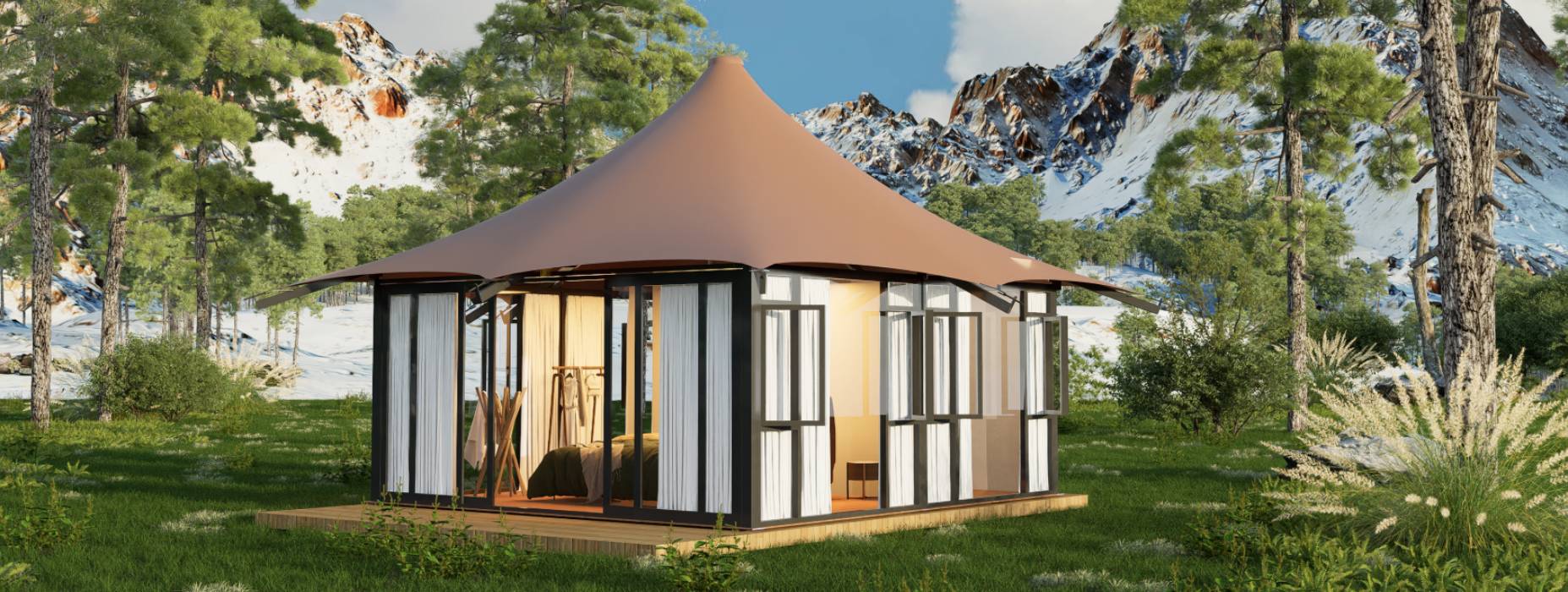
Developing a glamping park requires a reliable supplier who understands the unique needs of multi-unit glamping operations. Unlike single-unit projects, glamping parks involve dozens of tents, common areas, and infrastructure that all need to work together seamlessly. This guide explains what to look for in a luxury glamping tents supplier for glamping park projects, and how to choose a partner who can support your park's vision and growth.
What Makes Glamping Park Projects Different?
Glamping parks are more complex than single tent installations. Key differences include:
Scale and Consistency
A glamping park typically has 10-50+ tent units. Consistency is critical—every unit should offer the same quality experience. Your supplier must be able to deliver consistent quality across all units, with no variation in materials, construction, or finish.
Diverse Accommodation Mix
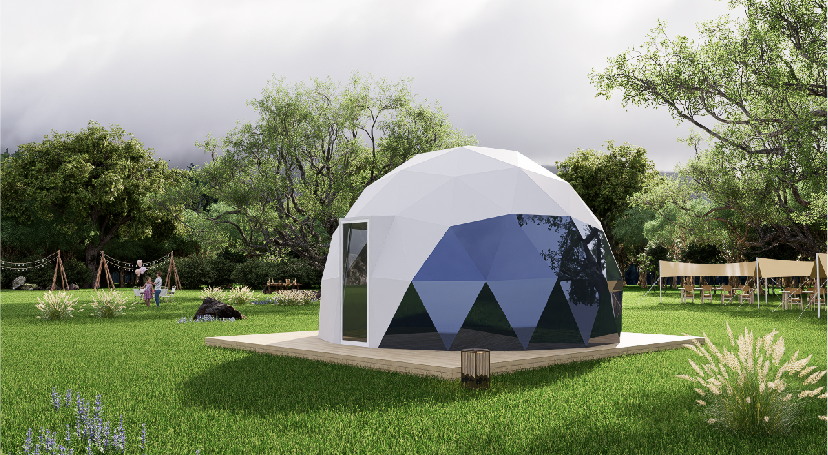
Most glamping parks offer a mix of tent types to appeal to different guests: standard safari tents, luxury domes, family units, premium suites. Your supplier should offer a range of products that fit together aesthetically and operationally.
Infrastructure Integration
Glamping parks require centralized infrastructure: water systems, electrical grids, waste management, common buildings. Your tent supplier should understand how tents connect to these systems and design accordingly.
Operational Efficiency
In a glamping park, operational efficiency matters. Tents need to be easy to clean, maintain, and turn over between guests. Your supplier should design with operations in mind—durable materials, accessible maintenance points, and practical layouts.
What to Look for in a Glamping Park Supplier
Proven Park Project Experience
Not every tent supplier has experience with large-scale glamping park projects. Look for a supplier with a portfolio of completed glamping parks or resorts. They should understand the unique challenges of multi-unit projects, from batch production to site installation.
Ask for case studies of glamping parks they've supplied. How many units? What types? Was the project delivered on time and on budget? References from park operators are especially valuable.
Production Capacity
A glamping park order may involve 20, 50, or more tent units. Make sure your supplier has the production capacity to handle your order within your timeline. Ask about:
• Monthly production capacity
• Current order backlog
• How they handle large batch orders
• Quality control processes for bulk orders
A small workshop may struggle with a 50-unit order, leading to delays and rushed quality.
Range of Products
The best glamping park suppliers offer a full range of accommodation types. Look for:
• Safari tents in multiple sizes
• Geodesic domes in various diameters
• Eco lodge tents for sustainability-focused areas
• Specialty units (family tents, accessible units, stargazing domes)
Working with one supplier for all your tent types simplifies procurement and ensures design consistency across your park.
Design and Layout Support
A good supplier doesn't just sell tents—they help you plan your park. Look for a supplier who offers:
• Site layout and planning guidance
• Help selecting the right mix of tent types for your market
• Design consultation for common areas and amenities
• Infrastructure planning support
This guidance is invaluable, especially if you're developing your first glamping park.
Key Considerations for Glamping Park Tents
Durability for Commercial Use
In a glamping park, tents see heavy use. Guests come and go, and units need to withstand daily cleaning and turnover. Choose tents built for commercial duty:
• Heavy-duty canvas that resists tears and stains
• Durable frames and hardware that can handle repeated use
• Quality zippers and fittings that don't break easily
• Materials that clean easily and look good for years
Cheaper consumer-grade tents won't hold up to commercial glamping park operations.
Ease of Maintenance
Park operators need to clean and prepare units quickly between guests. Look for:
• Simple, practical layouts that are easy to clean
• Durable, stain-resistant fabrics
• Accessible points for maintenance and repairs
• Spare parts availability
Tents that are easy to maintain will save your staff time and reduce operational costs.
Design Consistency Across the Park
Your glamping park should have a cohesive look and feel. Even though you offer different tent types, they should share a common design language: similar canvas colors, frame finishes, and aesthetic. This creates a polished, professional look that guests appreciate.
A supplier who offers a coordinated product line makes this easy. All their tents are designed to work together visually, so your park looks intentional and well-designed.
Scalability
Most glamping parks expand over time. Choose a supplier who can support your growth:
• Consistent product availability for future orders
• Same specifications and designs years later
• Bulk pricing that rewards repeat orders
• Spare parts and replacement canvas for existing units
You don't want to add new units that look different from the old ones. A reliable supplier ensures consistency as you grow.
Working with Your Supplier on Park Design
Start with a Master Plan
Before ordering tents, develop a master plan for your glamping park. Your supplier should help you think through:
• How many units of each type?
• Where will they be placed?
• Where will common areas be?
• How will utilities run?
• What's the phasing plan (phase 1, phase 2, etc.)?
A well-planned park is more efficient, more attractive, and more profitable.
Phase Your Orders
Many glamping parks develop in phases. You might start with 10 units, then add more as demand grows. A good supplier will:
• Honor current pricing for future phase orders
• Maintain the same designs and specifications
• Prioritize repeat clients
Phasing reduces your upfront investment and lets you test the market before expanding.
Plan for Operations
Think about how your park will operate day-to-day when choosing tents:
• Are the units easy to clean and prepare?
• Is there room for luggage and housekeeping carts?
• Are bathrooms accessible and easy to service?
• How will staff reach each unit for maintenance?
A supplier with park experience will help you design for operational efficiency.
Frequently Asked Questions
How many units do I need for a glamping park?
The optimal size depends on your market and budget. Small boutique parks might have 5-10 units. Mid-sized parks typically have 15-30 units. Larger resorts can have 50+ units. For a new glamping business, starting small (5-10 units) and expanding based on demand is a smart approach. This reduces your initial investment and risk. Your supplier can help you determine the right scale based on your location and target market.
Can I order different tent types from the same supplier?
Yes, most glamping park suppliers offer a range of tent types—safari tents, domes, eco lodges—all from the same factory. This is actually the best approach because it ensures design consistency and simplifies logistics. You can mix and match types to create variety in your park while maintaining a cohesive look. Ask your supplier about their full product range and what mixes work best for glamping parks.
How long does it take to supply a 20-unit glamping park?
Production lead times for bulk orders depend on the supplier's capacity and your customization level. Standard orders of 10-20 units typically take 4-8 weeks to produce. Add 2-4 weeks for international shipping. If you're ordering custom designs or 30+ units, expect 8-12 weeks total. Always get a written timeline and build in buffer for unexpected delays, especially if you have a target opening date.
Do glamping park suppliers offer installation support?
Most experienced glamping park suppliers offer installation support. This can range from detailed instructions and video tutorials to on-site supervision or even a full installation team. For large park projects, professional installation support is highly recommended. A professional installation ensures your tents are set up correctly, which affects their performance and lifespan. Ask about installation options when you request a quote.
Conclusion
Choosing the right luxury glamping tents supplier is critical for the success of your glamping park. Look for a partner with proven park project experience, production capacity, a range of quality products, and design support. The right supplier will help you plan, design, and execute a glamping park that's beautiful, efficient, and profitable.
Remember that your tents are the heart of your glamping park. Investing in quality structures from a reliable supplier pays off in guest satisfaction, positive reviews, and long-term durability. With the right supplier as your partner, you can build a glamping park that delights guests and stands the test of time.