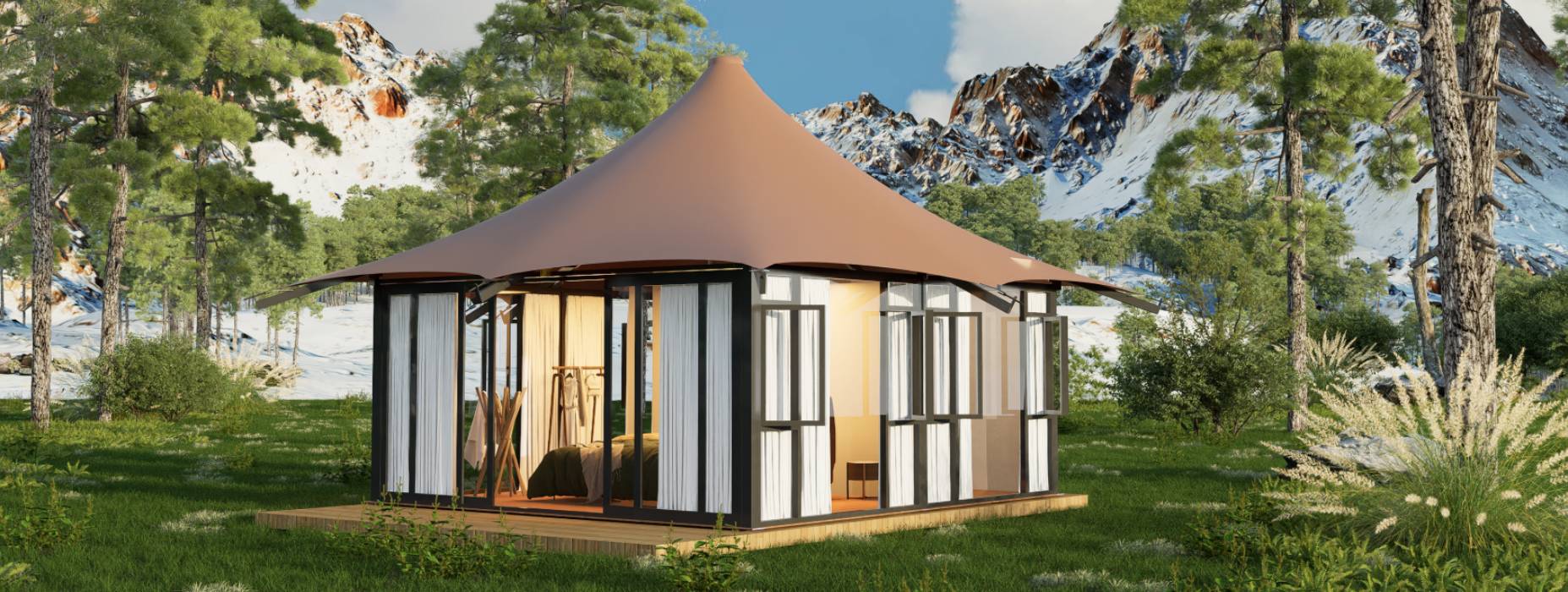
In an era where environmental sustainability is no longer a choice but a necessity, eco lodge tents have emerged as a leading solution for travelers and operators seeking to minimize their environmental impact while enjoying immersive outdoor experiences. These sustainable accommodations combine the comfort of glamping with a deep commitment to eco-friendly practices, using renewable materials, energy-efficient design, and low-impact operations to create a hospitality model that is rooted in nature and aligned with the principles of sustainable travel. As eco-tourism continues to gain momentum globally, eco lodge tents are redefining outdoor hospitality, proving that comfort and sustainability can coexist in harmony.
The foundation of eco lodge tents lies in their use of sustainable, eco-friendly materials. Unlike conventional tents that rely on synthetic fabrics and non-renewable materials, eco lodge tents prioritize natural, biodegradable, and renewable resources. Canvas, a classic material for eco lodge tents, is made from natural fibers like cotton or linen, which are breathable, durable, and biodegradable. This material not only reduces the environmental impact of the tent but also provides excellent insulation, keeping interiors cool in hot weather and warm in cold weather. The frames of eco lodge tents are often made from sustainably sourced wood or recycled aluminum, further reducing the carbon footprint. Additionally, eco lodge tents use non-toxic finishes and dyes, ensuring that no harmful chemicals are released into the environment during production or use. This focus on sustainable materials ensures that eco lodge tents are not only durable and comfortable but also environmentally responsible.
Energy efficiency is another core principle of eco lodge tent design. Eco lodge tents are designed to minimize reliance on non-renewable energy sources by incorporating passive design features and renewable energy systems. Passive design elements include large overhanging roofs that provide shade in hot weather, cross-ventilation systems that promote natural airflow, and insulated walls that retain heat in cold weather—all of which reduce the need for artificial cooling and heating. For energy needs, many eco lodge tents are equipped with solar panels that power lighting, charging stations, and small appliances, while some also use wind turbines or rainwater harvesting systems to meet their energy and water requirements. This commitment to energy efficiency not only reduces operating costs for operators but also minimizes the environmental impact of the tents, making them a sustainable choice for travelers and operators alike.
Low-impact operations are essential to the success of eco lodge tents. Beyond the design and materials of the tents themselves, eco lodge operators implement sustainable practices throughout their operations to minimize their environmental footprint. This includes using composting toilets to reduce water consumption and waste, sourcing local, organic food for dining to support local economies and reduce transportation emissions, and implementing waste reduction and recycling programs. Many eco lodge sites also have a no-plastic policy, using biodegradable or reusable alternatives for utensils, containers, and other disposable items. Additionally, eco lodge operators often work with local communities to protect the surrounding environment, supporting conservation efforts and promoting responsible tourism practices. This holistic approach to sustainability ensures that eco lodge tents not only provide comfortable accommodations but also contribute to the health and preservation of the natural environments they inhabit.
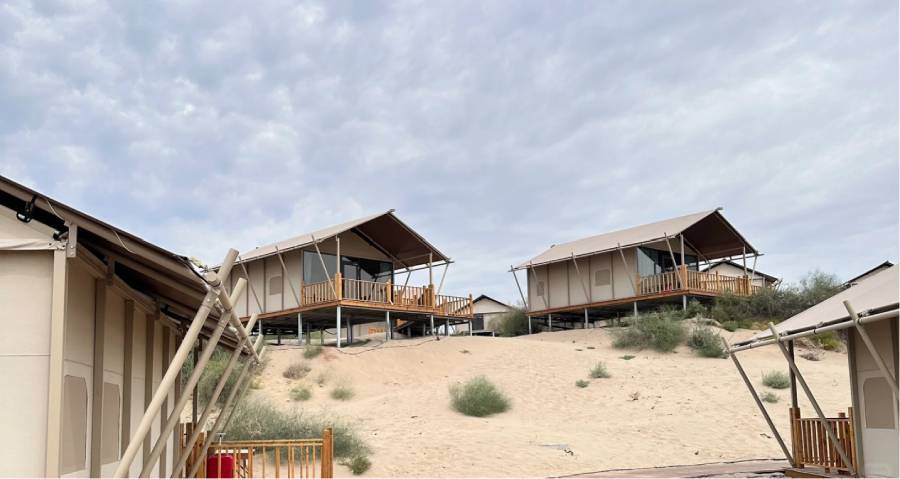
Eco lodge tents also offer a unique, immersive experience that connects guests to nature in a meaningful way. The design of eco lodge tents emphasizes openness and integration with the surrounding environment, with large windows, skylights, and open-air decks that allow guests to enjoy panoramic views of forests, mountains, or oceans. The use of natural materials and earthy tones creates a warm, inviting atmosphere that blends seamlessly with the natural landscape, making guests feel like they are part of the environment rather than separate from it. Many eco lodge sites also offer guided nature walks, wildlife watching tours, and educational programs that teach guests about the local ecosystem and conservation efforts, fostering a deeper appreciation for nature and a commitment to sustainability.
For operators, investing in eco lodge tents offers a range of benefits, including access to a growing market of eco-conscious travelers, compliance with increasingly strict environmental regulations, and a positive brand image that sets them apart from competitors. By partnering with reputable canvas tent manufacturers and sustainable hospitality experts, operators can access high-quality eco lodge tents and the guidance needed to implement sustainable operations. As the demand for sustainable travel continues to grow, eco lodge tents are poised to become a cornerstone of the outdoor hospitality industry, offering a way to enjoy nature responsibly while contributing to the preservation of the planet.
Eco lodge tents represent more than just a type of accommodation—they are a commitment to sustainable living and responsible tourism. By combining eco-friendly materials, energy-efficient design, and low-impact operations, eco lodge tents offer a way for travelers to experience the beauty of nature without harming it, and for operators to build successful businesses that align with the values of sustainability. As the future of travel leans towards eco-conscious choices, eco lodge tents will remain at the forefront, proving that sustainable hospitality is not only possible but also deeply rewarding.