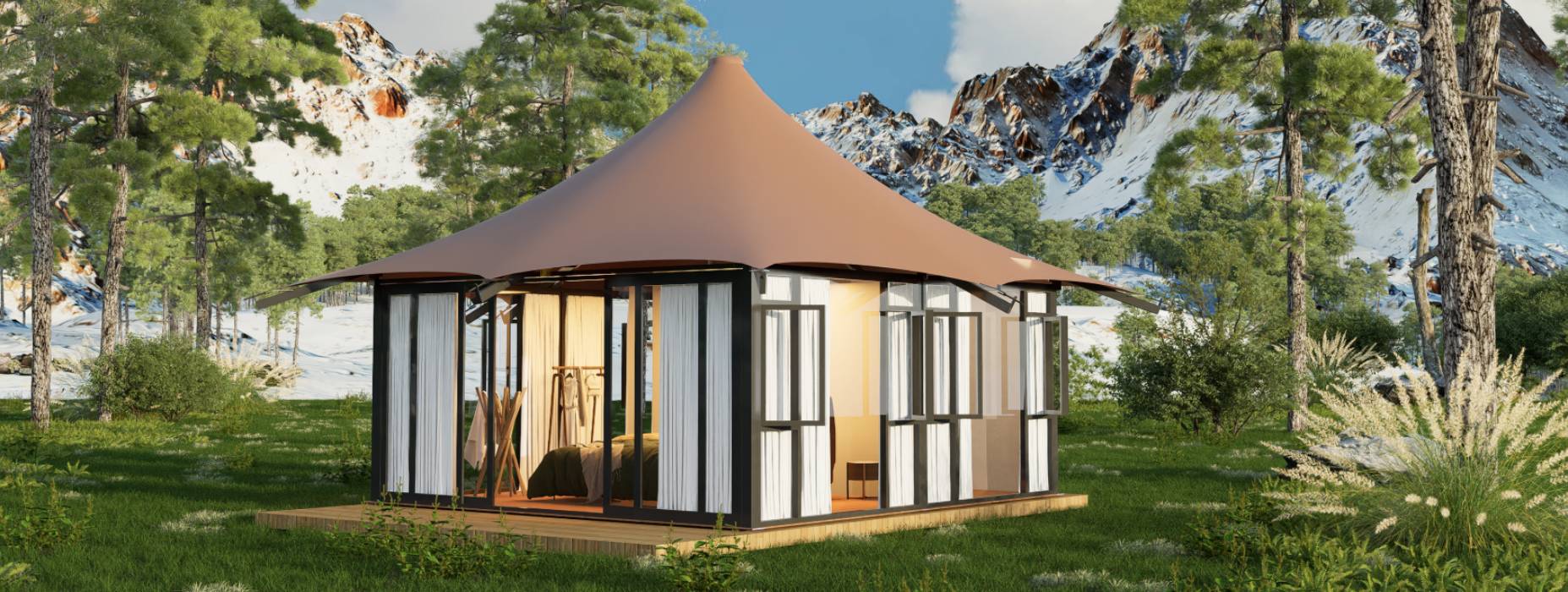
Custom safari tents are the gold standard of luxury glamping accommodation, combining the timeless elegance of African safari lodges with the flexibility of modern design. For resort developers and eco-lodge owners, custom safari tents offer the perfect balance of spaciousness, aesthetic appeal, and guest comfort. This guide covers everything you need to know about designing, sizing, and configuring custom safari tents for your luxury glamping project.
What Are Custom Safari Tents?
Custom safari tents are premium, tent-based accommodation structures inspired by the classic tented camps of East Africa. Unlike standard glamping tents that come in fixed sizes and configurations, custom safari tents are designed to your specific requirements—from dimensions and floor plan to materials, interior finishes, and amenities.
These structures typically feature a distinctive ridge or A-frame roof design, high ceilings, large verandas, and optional en-suite bathrooms. When fully customized, they can match the architectural style of your resort, your target guest demographic, and your budget. Custom safari tents are ideal for boutique resorts, wildlife lodges, forest retreats, and high-end glamping destinations where differentiation and guest experience are paramount.
Key Benefits of Choosing Custom Safari Tents
Perfect Fit for Your Site and Brand
Every glamping site is unique. With custom safari tents, you can adapt the tent size, orientation, and layout to fit your specific terrain, whether it's a hillside forest, a lakeside meadow, or a coastal dune. You can also match the exterior aesthetics to your resort's brand identity, choosing canvas colors, wood finishes, and architectural details that complement your overall design vision.
Optimized Guest Experience
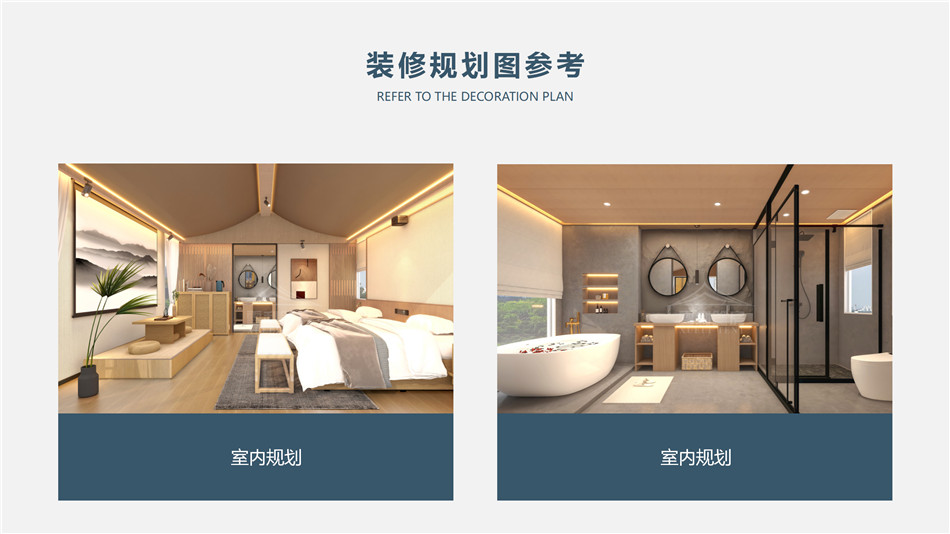
When you design the tent yourself, you can create the ideal layout for your target guests. A romantic couple's retreat might feature a spacious bedroom with a freestanding tub and private deck. A family safari tent could include bunk beds, a separate living area, and an outdoor dining space. Customization ensures that every square meter serves your specific guest experience goals.
Scalable and Modular Design
Custom doesn't mean one-off. Many manufacturers offer modular safari tent designs that can be expanded or reconfigured as your resort grows. You can start with a small number of units and add more as demand increases. Some designs even allow connecting multiple tents to create larger suites or family units.
Competitive Differentiation
In an increasingly crowded glamping market, unique, custom-designed tents help your resort stand out. Guests are looking for distinctive, Instagram-worthy experiences. A well-designed custom safari tent that perfectly blends into its natural setting becomes a destination in itself, driving bookings and positive word-of-mouth.
Standard Customization Options for Safari Tents
When designing your custom safari tents, you can choose from a wide range of customization options. Here are the most common modifications:
Size and Layout
Safari tents can be built in virtually any size, but the most popular dimensions range from:
• 4m x 5m (20 sqm): Compact luxury unit for couples, includes sleeping area and mini patio
• 5m x 7m (35 sqm): Most popular size, separate bedroom and living area, optional bathroom
• 6m x 8m (48 sqm): Premium suite, spacious bedroom, living area, en-suite bathroom, dressing room
• 8m x 10m (80 sqm+): Presidential suite, multiple rooms, large veranda, luxury amenities
You can also modify the floor plan—add a dressing area, expand the bathroom, create an open-plan layout, or add a loft space. The possibilities are nearly endless when working directly with an experienced manufacturer.
Materials and Finishes
Custom safari tents offer flexibility in materials:
Canvas: Choose from different weights (650gsm to 900gsm+), colors (natural beige, warm brown, cream, or custom colors), and treatments (waterproof, fire-retardant, UV-resistant, mold-resistant).
Frame: Select from galvanized steel (most durable and cost-effective), aluminum (lighter and rust-resistant), or solid wood (cedar or pine for a more natural aesthetic).
Flooring: Options include wooden decking, insulated raised floors, ceramic tiles in bathroom areas, or even polished concrete for a modern look.
Windows and Doors
You can customize the number, size, and placement of windows to maximize natural light and views. Options include:
• Large picture windows with panoramic views
• Dormer windows in the roof for stargazing
• French doors opening onto a private deck
• Mesh screens for insect protection while maintaining ventilation
Interior Features and Amenities
Custom safari tents can be fully fitted with interior amenities, including:
• En-suite bathrooms with hot water, toilet, and shower
• Heating and air conditioning systems
• Premium bedding, furniture, and lighting
• Mini-bar, coffee station, or kitchenette
• Fireplace or wood stove for cold climates
• Wi-Fi and smart home technology
Design Considerations for Your Custom Safari Tents
1. Climate and Environmental Factors
Your location should drive many of your design decisions:
•Cold climates: Prioritize insulation layers, double-roof construction, and heating systems. Consider adding a porch entryway as a buffer zone.
•Hot climates: Opt for lighter canvas colors, increased ventilation, shaded verandas, and UV-resistant coatings. Cross-breezes through strategically placed windows will keep the tent comfortable.
•Coastal areas: Use corrosion-resistant frames (aluminum or hot-dip galvanized steel) and saltwater-resistant materials. Ensure the structure can withstand strong coastal winds.
•Rainy regions: Choose heavier waterproof canvas, steeper roof pitches for proper drainage, and raised floors to prevent flooding.
2. Guest Experience and Target Market
Design your tents with your ideal guest in mind:
•Romantic couples: Focus on intimacy, luxury bathroom features, panoramic views, and private outdoor spaces
•Families: Prioritize space, bunk beds or interconnected bedrooms, and safe outdoor areas
•Wellness retreat guests: Add yoga decks, outdoor soaking tubs, and meditation spaces
•Corporate retreats: Include work-friendly spaces, reliable Wi-Fi, and connectivity options
3. Layout and Site Planning
How you arrange your safari tents across your property impacts the guest experience and operational efficiency. Consider:
• Privacy between tents—ensure adequate spacing and natural screening
• Views and orientation—position windows to face the best scenery
• Accessibility—paths and roads for guests and service vehicles
• Infrastructure placement—utilities, waste management, and central facilities
Many safari tent manufacturers offer site planning services to help you optimize your layout.
Working with a Manufacturer on Your Custom Project
The custom design process typically follows these steps:
Initial Consultation
You share your project vision, site details, target market, and budget with the manufacturer's design team. They ask questions to understand your needs and provide initial recommendations based on their experience.
Concept Design and Quotation
The manufacturer creates initial design concepts with dimensions, layout sketches, and material specifications. You receive a detailed quotation based on your chosen options. This is the time to provide feedback and request modifications.
Detailed Engineering
Once you approve the concept, the engineering team creates detailed construction drawings, structural calculations, and material lists. You review and approve the final design before production begins.
Production and Quality Control
The tents are manufactured according to your specifications. A reputable factory will provide progress updates and photos during production. They should also conduct quality checks before shipment.
Delivery and Installation
Your custom safari tents are packed and shipped to your site. The manufacturer provides detailed installation instructions, and many offer on-site installation support or supervision for an additional fee.
Frequently Asked Questions
How much does a custom safari tent cost?
The cost varies depending on size, materials, and customization level. A basic custom safari tent shell typically starts at $3,000-$8,000. Fully furnished premium units with en-suite bathrooms, high-end finishes, and amenities can range from $10,000 to $30,000 or more. Bulk orders for multiple units usually qualify for better per-unit pricing.
Can custom safari tents be relocated?
Yes, most safari tent designs are semi-permanent and can be disassembled, moved, and reassembled at a new location. This is a major advantage over permanent construction. However, repeated moves may affect the canvas and frame condition, so it's best to minimize relocations. The deck and foundation would typically remain at the original site.
How long does the custom design and production process take?
The design phase typically takes 1-2 weeks depending on the complexity of your requirements. Production time ranges from 2-6 weeks for standard custom designs, or longer for highly complex, large-scale projects. Add shipping time—typically 2-4 weeks by sea to most destinations. Plan your project timeline accordingly, especially if you have a target opening date.
What is the lifespan of a custom safari tent?
With proper maintenance, the structural frame of a quality safari tent lasts 10-15 years or more. The canvas typically needs replacement after 8-10 years. Regular cleaning, re-waterproofing, and inspection after extreme weather will extend the lifespan. Choosing high-quality materials from the beginning pays off in long-term durability and lower replacement costs.
Conclusion
Custom safari tents offer unmatched flexibility and aesthetic appeal for luxury glamping resorts. By designing your tents to fit your specific site, target market, and brand vision, you create a unique accommodation experience that commands premium rates and drives guest loyalty. The key to a successful custom project is partnering with an experienced manufacturer who understands your vision and has the engineering and production capabilities to bring it to life.
Take the time to plan carefully, communicate clearly with your manufacturer, and prioritize quality materials and construction. Your custom safari tents will be the heart of your glamping resort, and investing in thoughtful design will pay dividends for years to come.