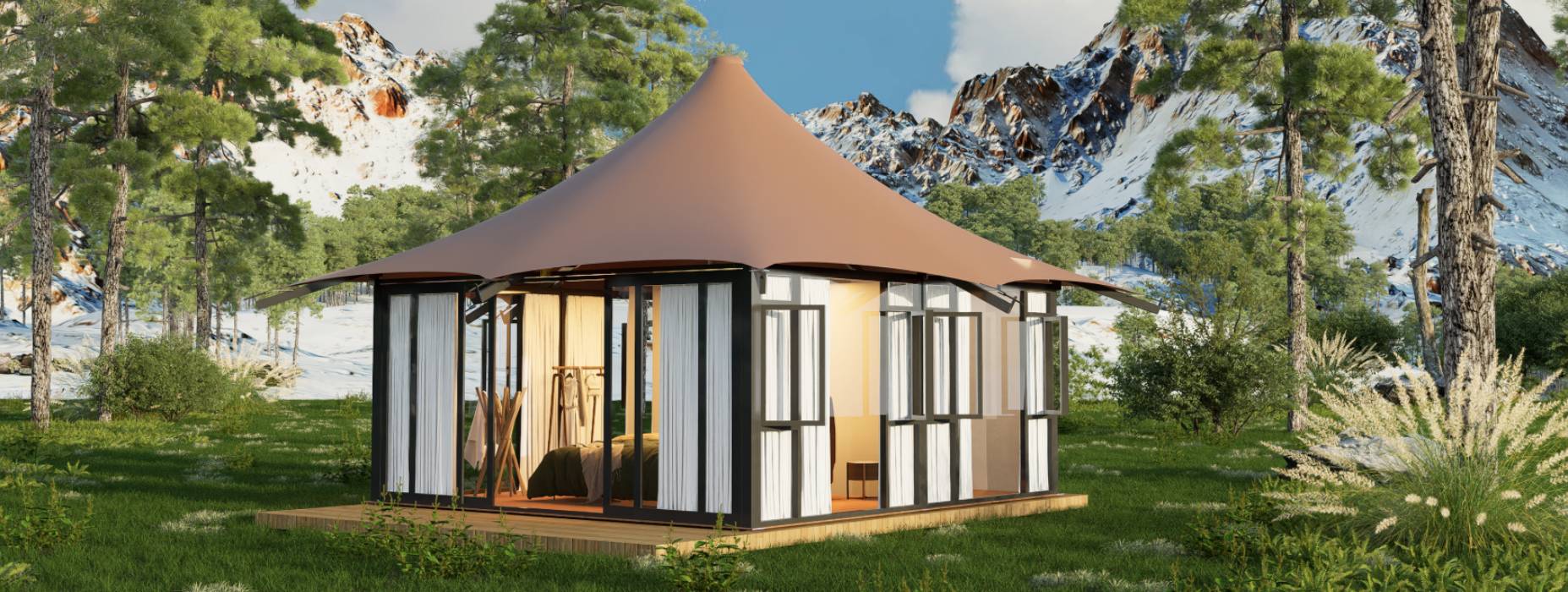
The interior design of your glamping tent is just as important as the exterior. Guests are paying for an experience, and a well-designed interior creates the luxury, comfort, and atmosphere that justifies premium pricing. This complete guide covers everything you need to know about glamping tent interior design, from layout to furnishings to lighting.
Interior Design Principles for Glamping
Indoor-Outdoor Connection
One of the unique things about glamping is the connection to nature. Your interior design should embrace this:
• Large windows or opening walls that frame the view
• Natural materials that complement the surroundings

• Flowing transition from interior to deck
• Views of nature from the bed, seating area, or even the bathroom
Rustic Luxury
The best glamping interiors balance rustic, natural elements with luxury comfort:
• Natural wood textures
• Canvas walls with warm tones
• Soft, plush bedding and textiles
• Warm, ambient lighting
The goal is to feel like you're outdoors, but with all the comforts of a high-end hotel.
Function and Flow
Make the most of limited space. Every piece should serve a purpose. Think carefully about:
• Circulation paths
• Storage solutions
• Zoning (sleeping, living, bathroom)
• Multi-functional furniture
Essential Interior Elements
The Bed
The bed is the centerpiece of your glamping tent. Invest in quality:
• Premium mattress (hotel quality)
• High-thread-count linens
• Plenty of pillows
• Statement headboard or frame
The bed should feel luxurious and inviting. This is where guests spend a lot of their time.
Seating Area
Give guests a comfortable place to relax other than the bed:
• Sofa or armchairs
• Small table or desk
• Reading lamp
• Rug to define the space
A seating area makes the tent feel like a complete living space, not just a bedroom.
Bathroom
Modern glamping requires a quality bathroom:
• Proper shower with good water pressure
• Vanity and storage
• Quality towels and toiletries
• Good ventilation
• Privacy and warmth
The bathroom is a key differentiator between basic camping and luxury glamping.
Storage
Guests need places to put their things:
• Wardrobe or hanging space
• Luggage rack
• Drawers or shelves
• Hooks for coats and bags
Good storage keeps the space tidy and comfortable.
Lighting Design
Layered Lighting
Good lighting creates atmosphere. Use multiple light sources:
• Overhead ambient lighting
• Task lighting (reading lamps, desk lamp)
• Accent lighting (string lights, candles, wall sconces)
• Natural light during the day
Warm Temperature
Choose warm color temperature lighting (2700K-3000K). Warm light feels cozy and inviting. Avoid harsh cool white lighting—it feels clinical and uninviting.
Dimmable
Make lighting dimmable so guests can adjust the mood. Bright enough for getting ready, dim enough for romance or relaxation.
Color Palette
Earth Tones
Earth tones work best in glamping interiors:
• Warm browns and tans
• Soft greens
• Cream and beige
• Terracotta or rust accents
These colors blend with the natural surroundings and feel calm and welcoming.
Accent Colors
Add pops of accent color through textiles and decor:
• Throw pillows
• Blankets
• Rugs
• Artwork
Keep base colors neutral and use accents for personality.
Flooring and Textiles
Flooring
Comfortable flooring is essential:
• Wooden or bamboo floor (if not built-in)
• Area rugs for warmth and comfort underfoot
• Outdoor-friendly mats by the door
Bare feet should feel comfortable on the floor.
Textiles
Soft textiles add comfort and luxury:
• Plush rugs
• Cushions and pillows
• Throws and blankets
• Curtains for privacy and light control
Texture is important—mix different fabrics for visual interest.
Decor and Finishing Touches
Natural Decor
Use decor that complements the outdoor setting:
• Natural wood elements
• Wicker or rattan pieces
• Plants (real or high-quality faux)
• Nature-inspired artwork
Personal Touches
Small details make a big difference:
• Fresh flowers or greenery
• Quality coffee/tea setup
• Reading material
• Local products or artwork
These touches make the space feel cared for and special.
Layout Ideas
Open Plan
Most glamping tents use an open plan layout—sleeping area and living area in one space, with a separate bathroom. This makes the space feel larger and more connected.
Zoning
Define different zones with:
• Rugs
• Furniture arrangement
• Lighting differences
• Screens or partitions (if needed)
Maximize Views
Arrange furniture to take advantage of the best views. The bed should face the view if possible. Seating should also be oriented toward the scenery.
Frequently Asked Questions
How much does interior design cost for a glamping tent?
Interior furnishing costs vary based on level of luxury. A basic, comfortable fit-out costs $5,000-$10,000 per unit. Mid-range luxury costs $10,000-$20,000. High-end designer interiors can cost $20,000+ per unit. This includes furniture, bedding, lighting, decor, and bathroom fixtures. Many tent manufacturers offer complete interior packages at discounted prices.
Can I design the interior myself?
Absolutely. Many glamping operators design their own interiors. The key principles are simple: comfort, natural materials, warm lighting, and a connection to outdoors. Start with the basics—a good bed, comfortable seating, proper lighting—and add personality over time. You can also hire an interior designer for a more polished result.
What size furniture fits in a glamping tent?
Furniture should be proportional to the space. For a 30 sqm safari tent, think:
• Queen or king size bed
• Two-seater sofa or armchairs
• Small coffee table
• Compact wardrobe
Avoid oversized furniture—it will make the space feel cramped. Many manufacturers offer furniture specifically designed to fit glamping tents perfectly.
How do I keep the interior cool in summer?
Warm-weather comfort is important. Solutions include:
• Cross-ventilation through windows and doors
• Ceiling fans or portable fans
• Portable air conditioning units (if power allows)
• Shade from trees or awnings
• Light-colored fabrics that reflect heat
Many glamping operators add mini-split AC units for year-round comfort.
Conclusion
The interior design of your glamping tent is what transforms it from "just a tent" into a luxury experience guests will pay premium prices for. By focusing on comfort, natural materials, warm lighting, and a connection to the outdoors, you can create interiors that guests love and remember.
Remember that the best glamping interiors balance rustic charm with hotel-level luxury. Invest in quality where it matters most—the bed, the bathroom, the lighting—and add personality through decor and finishing touches. With thoughtful interior design, your glamping tents will stand out from the competition and keep guests coming back year after year.