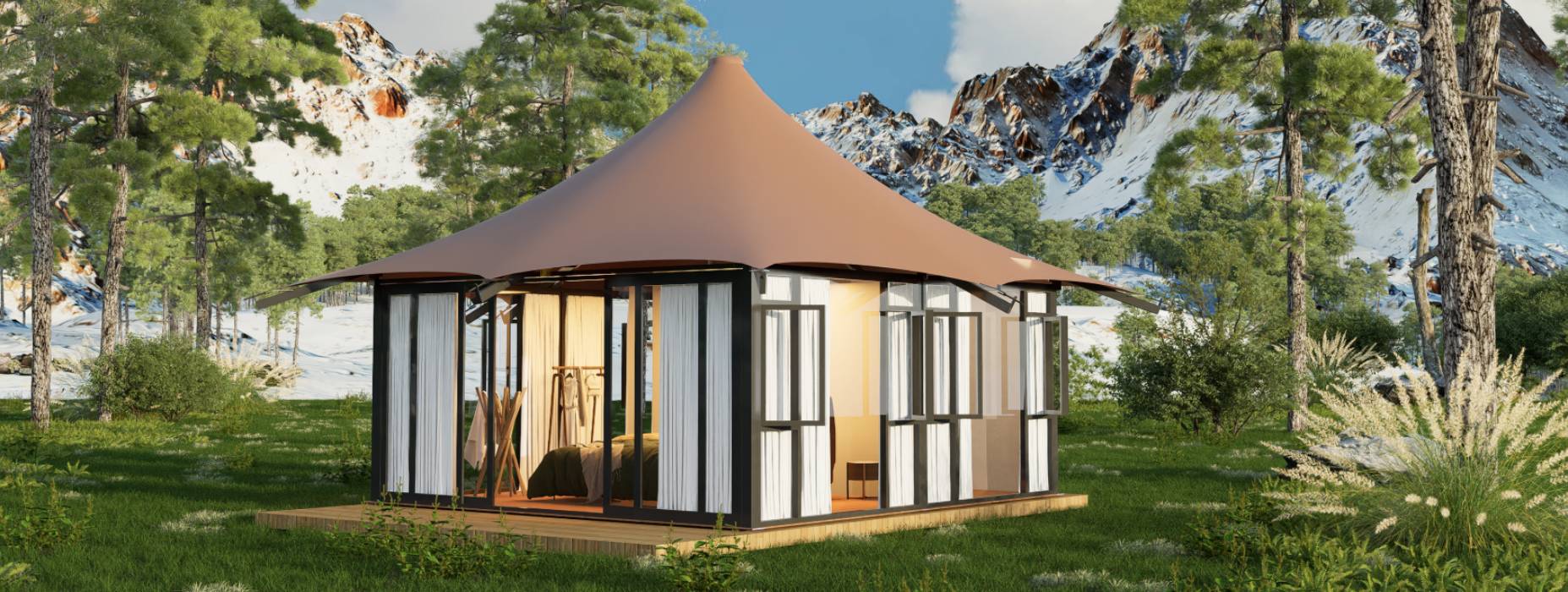
A safari tent hotel combines the romance and adventure of safari camping with the comfort and amenities of a modern hotel. These luxury tent structures are the centerpiece of high-end glamping resorts around the world. If you're planning a safari tent hotel project, choosing the right manufacturer is critical. This guide explains what makes a great safari tent hotel, key features, and how to select the best manufacturer for your resort.
What Is a Safari Tent Hotel?
A safari tent hotel is a collection of luxury safari-style tent structures that operate as a hotel. Each tent is a private guest room with its own bathroom, comfortable bed, and hotel-quality furnishings. The tents are arranged in a resort setting—often in a beautiful natural location—and share common facilities like a restaurant, lounge, and pool.
Safari tent hotels originated in African wildlife reserves but have spread worldwide. Today you can find safari tent hotels in forests, mountains, beaches, and countryside locations on every continent. They appeal to travelers who want luxury and comfort combined with nature and adventure.
Key Features of Safari Tent Hotels
Authentic Safari Design
The safari aesthetic is what sets these hotels apart:
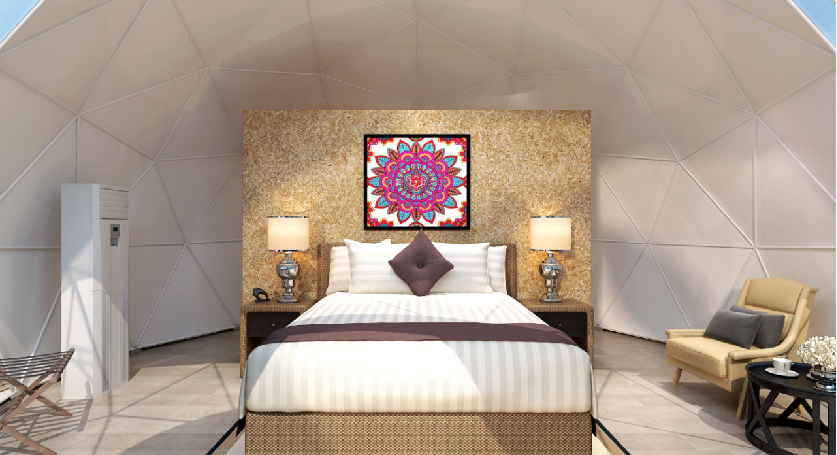
• Elegant peaked A-frame roofline
• Warm, earth-toned canvas (natural beige or cream)
• Wooden poles or steel frames with a natural finish
• Wide verandas or decks extending from each tent
• Flap-style doors and windows that open to the outdoors
This design creates the feeling of being at a remote African safari camp, even if you're in Europe or Asia.
Hotel-Level Amenities
Guests expect the same amenities as a luxury hotel room:
• Premium king-size beds with high-quality bedding
• En-suite private bathrooms with hot showers
• Climate control (heating and air conditioning)
• Quality furniture and seating areas
• Premium lighting design
• Free Wi-Fi
• Mini-bar or coffee making facilities
Spacious Interiors
Safari tents are designed for generous space:
• High ceilings that feel open and airy
• Separate sleeping and living areas
• Wardrobe and storage space
• Work or seating area
Typical room sizes range from 24 to 60 square meters, with premium suites even larger.
Indoor-Outdoor Living
One of the best features of safari tent hotels is the connection to nature:
• Large windows framing natural views
• Private verandas with comfortable seating
• Opening sides that let the breeze in
• Direct access to the surrounding landscape
Choosing the Right Safari Tent Manufacturer
Safari Tent Specialists
Not every tent company makes good safari tents. Look for a manufacturer who specializes in safari-style luxury tents. They should understand the design aesthetic, construction details, and guest experience that safari hotels require. Ask to see their safari tent portfolio and check that the designs look authentically safari, not generic.
Experience with Hotel Projects
Ideally, your manufacturer has worked on actual safari tent hotels before. They'll understand:
• Commercial durability requirements for hotel use
• How to integrate bathrooms, plumbing, and electrical
• What hotel operators need in terms of maintenance and operations
• Design elements that hotel guests expect
References from other hotel operators are especially valuable.
Custom Design Services
Your safari hotel should be unique. Look for a manufacturer who can customize:
• Tent size and floor plan
• Canvas color and material
• Window and door configurations
• Veranda design
• Bathroom placement and design
• Interior layout options
Quality and Durability
Safari tent hotels are a long-term investment. Make sure your manufacturer builds for durability:
• Heavy-duty canvas (650-900 gsm) designed for permanent installation
• Sturdy frames rated for local wind and snow loads
• Proper waterproofing and seam sealing
• Quality zippers and hardware
Designing Your Safari Tent Hotel
Creating the Safari Camp Atmosphere
To create an authentic safari hotel experience, pay attention to:
• Earthy, natural color palette throughout
• Natural materials: wood, leather, linen, jute
• Vintage or safari-inspired decor elements
• Warm, ambient lighting
• Central mess tent or dining area
• Winding paths between tents
• Outdoor fire pits and gathering areas
Site Layout
How you arrange your tents matters:
• Space tents well apart for privacy
• Position each tent to maximize views
• Use existing trees as natural screening
• Create a central hub for dining and activities
• Leave natural vegetation intact between units
The layout should feel like a remote safari camp, not a row of hotel rooms.
Common Areas
Safari hotels need shared spaces:
• Main dining tent or lodge
• Lounge and bar area
• Swimming pool (for premium properties)
• Spa or treatment rooms
• Activity center for safari/game drives
Popular Safari Tent Hotel Sizes
4m x 6m (24 sqm)
Standard room size, perfect for couples. Fits a king bed, seating area, wardrobe, and compact en-suite bathroom. Ideal for smaller boutique hotels.
5m x 8m (40 sqm)
The most popular hotel room size. More spacious with a separate sleeping area, lounge, larger bathroom, and room for a small work desk. Comfortable for couples or small families.
6m x 10m (60 sqm)
Premium suite size. Offers a separate bedroom, living room, walk-in closet, and large en-suite bathroom. Some even include a private outdoor deck with plunge pool. These are the top-tier rooms that command premium rates.
Frequently Asked Questions
How much does a safari tent hotel room cost?
Pricing varies by size, features, and customization. A basic 4m x 6m safari tent shell typically starts at $4,000-$7,000. A fully furnished 5m x 8m room with en-suite bathroom, deck, and hotel-grade interiors can cost $15,000-$30,000. Premium 6m x 10m suites with all amenities can run $30,000-$60,000+. Bulk orders for hotels typically qualify for 20-40% discounts.
Can safari tent hotels operate year-round?
Yes, when properly designed. Key upgrades for year-round operation include:
• Insulated canvas or double-wall construction
• Efficient heating systems (wood stove, electric, or heat pump)
• Air conditioning in warm climates
• Proper insulation in floors and ceilings
• Weatherproofing for snow and wind
Many safari tent hotels operate successfully in all four seasons. Just make sure your manufacturer designs for your specific climate.
How long does it take to build a safari tent hotel?
Timelines depend on project size. A small 5-10 room hotel typically takes 4-8 months from concept to opening. This includes planning, site work, tent delivery, installation, and interior fit-out. Larger hotels with 20+ rooms and extensive common areas can take 12-18 months. Your manufacturer should provide a detailed project timeline during the planning phase.
Do safari tent hotels need building permits?
This depends on your location. In many jurisdictions, tent structures on raised decks are classified as temporary and have simpler permitting than permanent buildings. However, you'll likely need business licenses, health department approval, and permits for infrastructure (well, septic, electrical). Always check local regulations carefully. A local consultant can help navigate the process.
Conclusion
Safari tent hotels offer a unique, luxury accommodation experience that travelers love. By combining the adventure of safari camping with the comfort of a five-star hotel, these properties stand out in the hospitality market. Choosing the right safari tent manufacturer is essential for creating a beautiful, durable, and successful hotel.
When selecting a manufacturer, prioritize safari tent experience, hotel project references, quality materials, and custom design capability. The right partner will help you design, build, and furnish beautiful safari tents that delight guests. With quality safari tents as your foundation, your hotel can become a world-class destination that guests return to year after year.