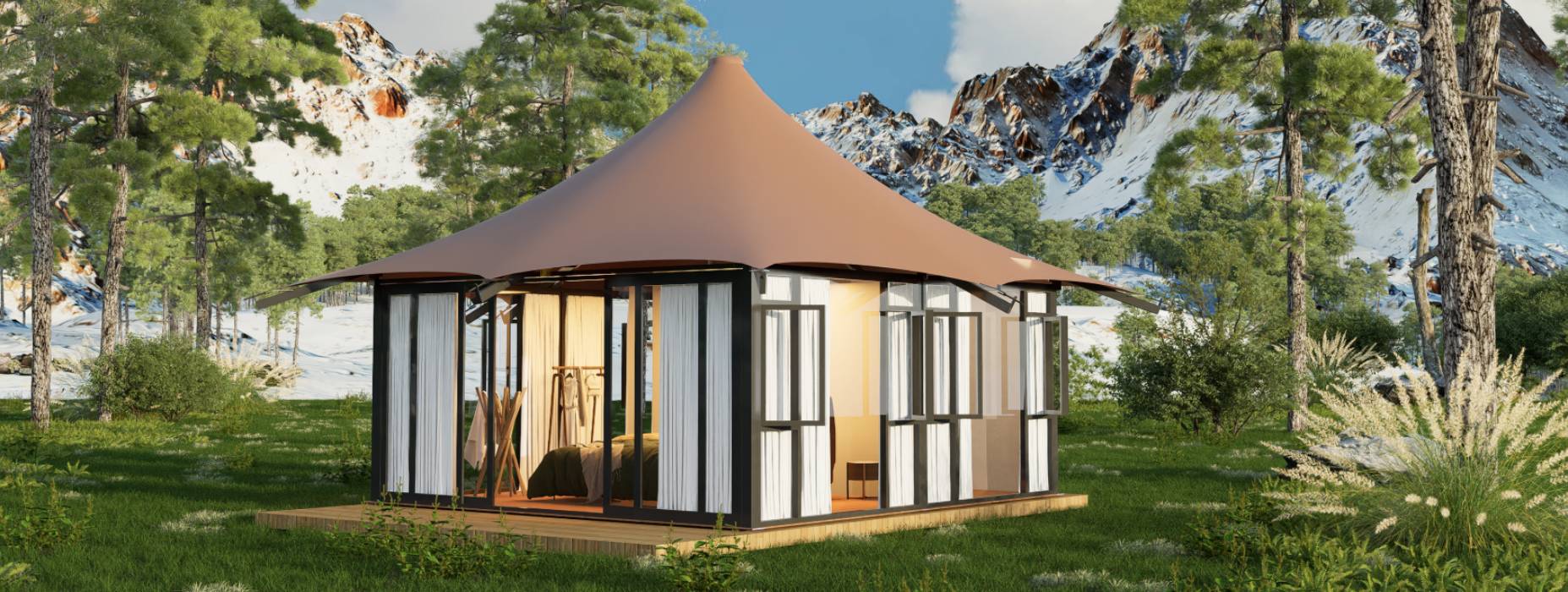
In recent years, the concept of glamping has gained significant popularity, offering a luxurious and immersive outdoor experience while still maintaining the connection with nature. Glamping villages have emerged as a unique and attractive option for travelers seeking a blend of comfort and adventure. Outdoor living tents play a crucial role in the success of these glamping village projects, providing the perfect accommodation solution that combines style, functionality, and durability.
Design Considerations
When designing outdoor living tents for glamping village projects, several factors need to be taken into account. Firstly, the layout and configuration of the tents should be carefully planned to maximize space utilization and provide a comfortable living environment for guests. Considerations such as the size of the tent, the number of beds or sleeping areas, and the placement of amenities like bathrooms and storage spaces are essential.
Secondly, the design should reflect the local environment and culture, creating a seamless integration between the tent and its surroundings. This can be achieved through the use of natural materials, earthy colors, and architectural elements that mimic the local landscape. For example, tents with pitched roofs and thatched exteriors can give a rustic and charming feel, while incorporating local motifs or patterns in the interior design adds a touch of authenticity.
Another important aspect is the functionality of the tent. It should be equipped with all the necessary amenities to ensure a comfortable stay for guests. This includes proper ventilation, insulation, and lighting systems. Additionally, features such as mosquito nets, waterproofing, and sturdy foundations are crucial to withstand the outdoor elements.
Build Solutions
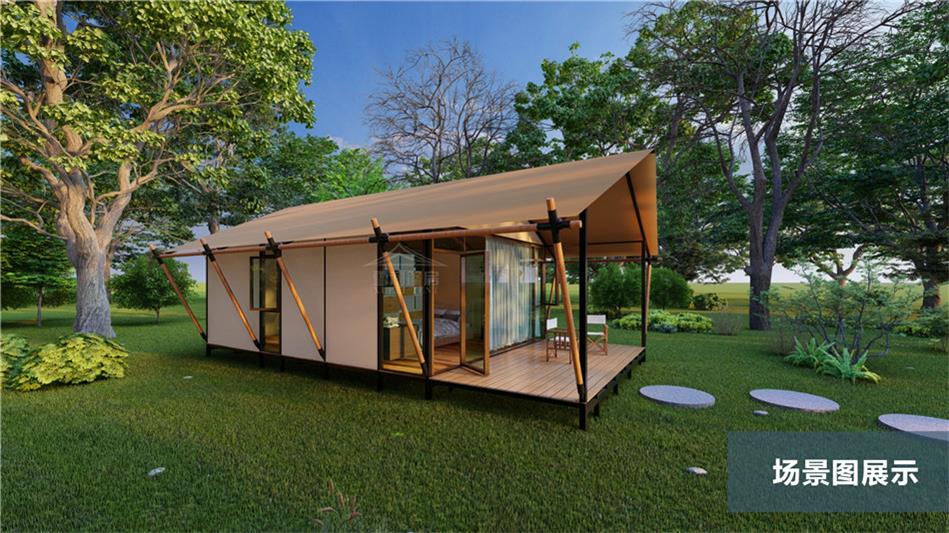
The construction of outdoor living tents for glamping village projects requires careful attention to detail and the use of high-quality materials. The frame of the tent is typically made of durable materials such as steel or aluminum, which provide stability and strength. These frames are then covered with weather-resistant fabrics, such as canvas or synthetic materials, that offer protection from the sun, rain, and wind.
To ensure a seamless and professional finish, the tent should be assembled by experienced contractors or manufacturers. They should have a thorough understanding of the design specifications and be able to execute the construction process efficiently. Quality control checks during the construction phase are also essential to ensure that the tent meets the required standards of safety and functionality.
In addition to the tent structure, the surrounding area should also be carefully designed and landscaped to enhance the overall glamping experience. This may include the installation of outdoor furniture, fire pits, and pathways, as well as the addition of natural elements such as trees, flowers, and water features. Creating a harmonious and inviting outdoor space encourages guests to relax and enjoy their time in the glamping village.
Benefits for Thriving Villages
Outdoor living tents for glamping village projects bring numerous benefits to the local communities and economies. Firstly, they attract tourists, which can boost the local tourism industry and generate additional revenue. Glamping provides a unique and niche tourism product that appeals to a wide range of travelers, from families and couples to adventure enthusiasts.
Secondly, the development of glamping villages can create job opportunities in various sectors, including construction, hospitality, and tourism services. This helps to stimulate the local economy and improve the livelihoods of the residents. Additionally, the presence of glamping tourists can also lead to increased demand for local products and services, such as food, handicrafts, and guided tours, further supporting the local businesses.
Moreover, glamping villages can have a positive impact on the environment by promoting sustainable tourism practices. By providing an alternative accommodation option that minimizes the environmental footprint compared to traditional hotels and resorts, glamping encourages a more responsible and eco-friendly approach to tourism. This can include initiatives such as using renewable energy sources, implementing waste management systems, and protecting the natural habitats in and around the glamping village.
In conclusion, outdoor living tents are an integral part of glamping village projects, offering a stylish and functional accommodation solution that enhances the overall experience for guests. Through careful design and build solutions, these tents can be tailored to meet the specific needs and preferences of the glamping village, while also providing numerous benefits to the local communities and economies. As the popularity of glamping continues to grow, the demand for high-quality outdoor living tents for glamping village projects is expected to increase, presenting exciting opportunities for the tourism and hospitality industry.