**Safari Tent Supplier Project Cost Estimation: Expert Pricing for Resort & Campground Builds**
In the realm of resort and campground development, the selection of safari tents as a key accommodation option is becoming increasingly popular. Safari tents offer a unique blend of comfort and a connection to the natural surroundings, providing guests with an unforgettable experience. However, accurately estimating the cost of a safari tent supplier project is crucial for ensuring the financial viability of any resort or campground build.
**I. Understanding the Components of Cost**
1. **Materials**
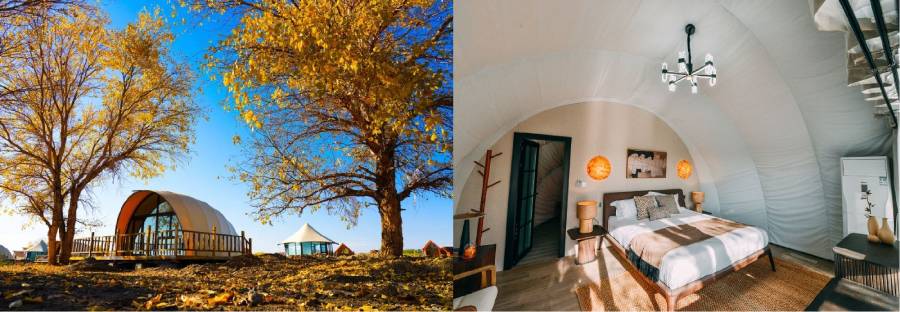
- The quality and type of materials used in safari tent construction play a significant role in cost. For the tent fabric, high - grade, waterproof, and UV - resistant materials are essential. These fabrics can vary in price depending on their brand, durability, and the specific features they offer. For example, some specialized fabrics may be more breathable, which can enhance the comfort of guests but also come at a higher cost.
- The framework of the tent, usually made of metal or high - strength fiberglass, also contributes to the cost. Sturdy and corrosion - resistant materials are required to withstand various weather conditions. Additionally, the poles and connectors need to be designed for easy assembly and disassembly while maintaining stability.
2. **Manufacturing and Labor**
- The manufacturing process of safari tents involves skilled labor. Workers need to cut, sew, and assemble the tent components precisely. The complexity of the tent design, such as the number of rooms, special features like built - in porches or partitions, will affect the labor cost. A more elaborate design will require more time and expertise to construct, thus increasing the overall cost.
- Quality control during manufacturing is also an important aspect. Ensuring that each tent meets the required standards for safety, functionality, and appearance adds to the cost but is necessary to maintain a good reputation in the market.
3. **Accessories and Furnishings**
- Accessories like zippers, guy ropes, and pegs are relatively small items but can accumulate in cost when considering a large - scale project. High - quality zippers that are durable and easy to use are preferred, and their cost can vary depending on the length and the number of zippers per tent.
- Furnishings inside the tent, such as beds, mattresses, tables, and chairs, also contribute to the overall cost. Comfortable and stylish furnishings can enhance the guest experience but need to be sourced carefully to balance cost and quality. For instance, choosing eco - friendly and locally sourced furniture can sometimes be a cost - effective option while also appealing to environmentally conscious guests.
**II. Pricing Considerations for Different Scale Projects**
1. **Small - Scale Resorts and Campgrounds**
- For small projects, the cost per tent may be relatively higher due to economies of scale. The setup of manufacturing equipment and the management of a smaller production run can increase the per - unit cost. However, small - scale projects may also have more flexibility in customizing tents to meet their specific brand and customer needs.
- They may be able to negotiate better prices with local suppliers for materials and labor, especially if they establish long - term relationships. Additionally, small - scale resorts can focus on niche markets, such as eco - tourism or adventure - oriented guests, which may allow them to charge premium prices for their safari tent accommodations, offsetting some of the cost differences.
2. **Large - Scale Resorts and Campgrounds**
- Large - scale projects can benefit from economies of scale in material procurement. Buying materials in bulk often results in lower per - unit costs. For example, purchasing a large quantity of tent fabric from a single supplier may lead to a discounted price.
- In terms of manufacturing, large - scale production lines can be more efficient, reducing the labor cost per tent. However, large - scale projects also need to consider the logistics of transporting and installing a large number of tents. This may involve additional costs for specialized transportation equipment and skilled installation teams.
**III. Expert Pricing and Cost Management**
1. **Seeking Expert Advice**
- Resort and campground developers should consult with experts in the safari tent industry. These experts can provide insights into the latest trends in materials, manufacturing techniques, and pricing. They can also help in comparing different suppliers and evaluating the quality - cost ratio of various products.
- Industry experts may have access to market data on pricing, which can be used to benchmark a project's cost estimates. This data can take into account factors such as regional differences in material availability and labor costs, as well as the current demand for safari tents in the market.
2. **Cost Management Strategies**
- Implementing effective cost management strategies is essential. This includes conducting a detailed cost analysis at every stage of the project, from design to procurement and installation. By identifying areas where costs can be reduced without sacrificing quality, developers can optimize the project budget.
- For example, using standardized tent designs can reduce manufacturing costs as it allows for more efficient production processes. Also, negotiating long - term contracts with suppliers for materials and services can provide cost stability over the project's duration.
In conclusion, accurately estimating the cost of a safari tent supplier project for resorts and campgrounds requires a comprehensive understanding of various components, careful consideration of project scale, and the use of expert advice and cost management strategies. By doing so, developers can ensure that their safari tent accommodations are both cost - effective and of high quality, providing a memorable experience for guests while achieving financial success.