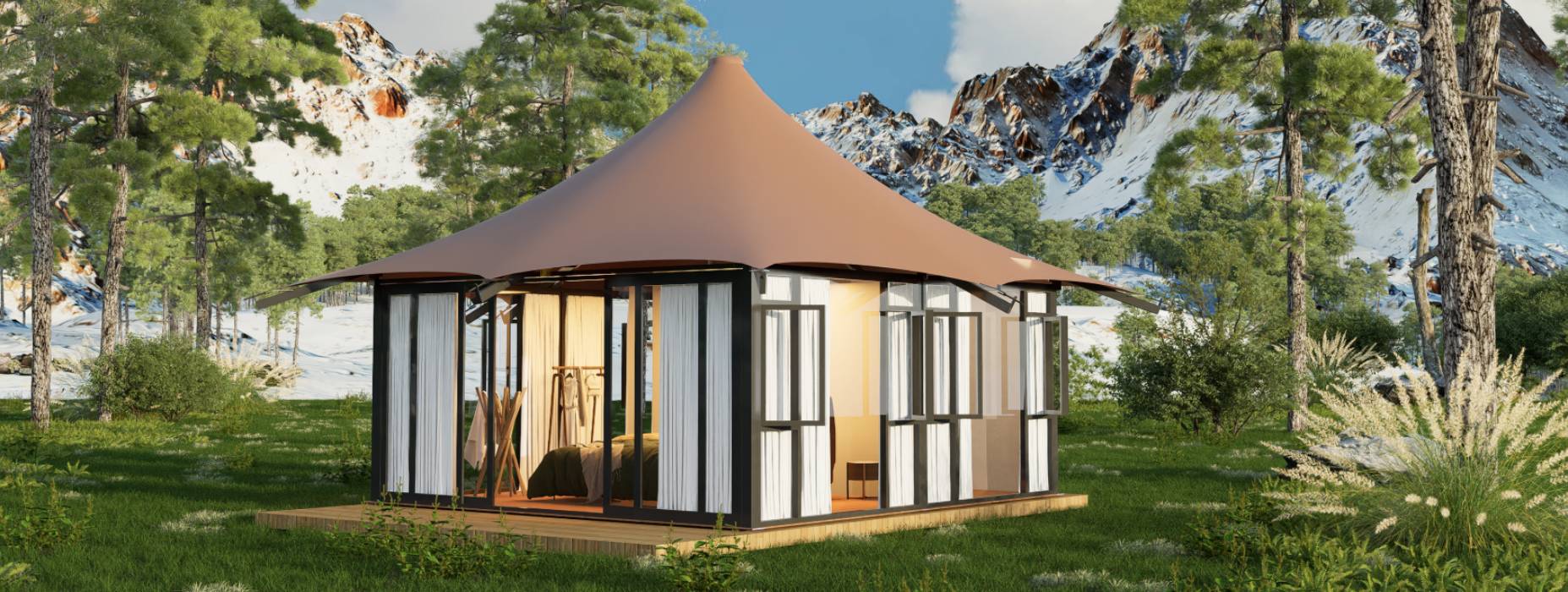
Choosing the right canvas tent manufacturer is essential for anyone investing in quality glamping tents, safari tents, or eco lodge accommodation. The canvas is one of the most critical components of any tent—it affects comfort, durability, waterproofing, and the overall guest experience. This guide explains what to look for in a canvas tent manufacturer, how to evaluate quality, and key factors to consider before making your purchase.
Why Canvas Quality Matters
Canvas is the primary barrier between your guests and the elements. The quality of your tent's canvas directly impacts:
•Waterproofing: Poor quality canvas leaks in heavy rain, leading to wet interiors and unhappy guests
•Durability: Thin or low-grade canvas tears easily and deteriorates quickly under UV exposure
•Comfort: Breathable canvas prevents condensation buildup, keeping the interior dry and comfortable
•Aesthetics: Quality canvas has a natural, premium look that enhances the glamping experience
Investing in quality canvas from a reputable manufacturer pays off in longer tent lifespan, fewer maintenance issues, and better guest reviews.
Key Qualities of a Good Canvas Tent Manufacturer
Specialized Canvas Expertise
Not all tent manufacturers understand canvas. Look for a manufacturer who specializes in canvas tents specifically, rather than those who primarily work with PVC or synthetic materials. A canvas specialist will understand:
• Different canvas weaves and their performance characteristics
• Proper treatment methods for waterproofing, fire resistance, and UV protection
• The natural aging process of canvas and how to work with it
• Proper sewing and construction techniques for canvas seams
Canvas is a natural material that requires different handling than synthetic fabrics. Working with a specialist ensures you get a product designed specifically for canvas performance.
Quality Canvas Sourcing
The best manufacturers source their canvas from reputable textile mills. Ask where their canvas comes from and what the exact specifications are. Premium canvas used in quality glamping tents typically has:
• Weight of 650gsm or higher (850gsm+ for premium models)
• Tight, uniform weave that provides both strength and breathability
• High-quality cotton-cotton blend or 100% cotton canvas
• Factory-applied waterproof, UV-resistant, and fire-retardant treatments
A reputable manufacturer should be able to provide material specifications and even send you physical samples so you can evaluate the canvas quality yourself.
Proper Construction Techniques
Quality canvas tent manufacturing goes beyond just good fabric. Look for these construction details:
•Reinforced seams: Stress points like corners, edges, and around windows should have double or triple stitching
•Taped or sealed seams: Seams should be properly sealed to prevent water leakage
•Reinforced webbing: Attachment points for guy lines and frame connections should have webbing reinforcement
•Quality hardware: Zippers, buckles, and hooks should be durable and corrosion-resistant
These details may seem minor, but they determine how well your tent holds up over years of use.
Engineering and Structural Design
Canvas tents aren't just pieces of fabric stretched over frames. A good manufacturer designs their tents with proper engineering that considers:
• Tension distribution across the canvas
• How the canvas moves with the frame in wind
• Proper sag and tension to prevent water pooling
• Ventilation gaps to prevent condensation
Poorly designed canvas tents will sag, leak, or wear out prematurely even if the fabric itself is high quality.
Canvas Types for Glamping Tents
When evaluating a manufacturer, understand what canvas types they offer:
Cotton Canvas
Pure cotton canvas is the traditional choice for luxury glamping tents. It's breathable, natural-looking, and has excellent moisture-wicking properties. However, it requires more maintenance and is heavier than synthetic blends. Pure cotton canvas is ideal for premium eco-lodge and safari tent projects where aesthetics and natural materials are priorities.
Cotton-Polyester Blend Canvas
Blended canvas combines the breathability and natural look of cotton with the durability and wrinkle resistance of polyester. It's lighter than pure cotton, requires less maintenance, and offers excellent value. This is the most popular choice for commercial glamping tents because it balances performance, durability, and cost.
Canvas Treatments
Quality canvas tents receive factory treatments that enhance performance:
•Water repellent coating: Causes water to bead up and roll off rather than soaking through
•UV protection: Slows down fabric degradation from sun exposure, extending lifespan
•Fire retardant: Important for commercial installations where fire safety regulations apply
•Mold and mildew resistance: Essential for humid climates where moisture buildup is a concern
Questions to Ask a Canvas Tent Manufacturer
About Their Canvas
• What weight and type of canvas do you use?
• Where do you source your canvas from?
• What treatments do you apply (waterproof, UV, fire retardant)?
• Can you provide physical samples?
• How long does the canvas typically last in commercial use?
About Construction
• How do you reinforce stress points?
• What seam sealing method do you use?
• What kind of hardware and zippers do you use?
• Do you offer warranty on the canvas and workmanship?
About Customization
• Can I choose different canvas colors?
• Can I customize the size, shape, or window placements?
• Do you offer different canvas weights for different climates?
• Can I order replacement canvas in the future?
Red Flags to Avoid
Vague Canvas Specifications
If a manufacturer can't tell you the exact weight, material composition, or source of their canvas, be cautious. Canvas quality varies enormously, and you need to know exactly what you're getting. Vague answers suggest they may be using cheap, low-grade fabric to cut costs.
No Canvas Samples Available
A reputable canvas manufacturer should be happy to send you fabric samples. Feeling the weight, checking the weave, and seeing the color in person is the best way to evaluate quality. If they won't provide samples, that's a significant red flag.
Unrealistically Low Pricing
Quality canvas is expensive. If a quote is dramatically lower than other suppliers, they're almost certainly using cheaper, thinner canvas. Low-quality canvas will tear, fade, and leak much sooner, leading to costly replacements and guest complaints. The small savings upfront will cost you much more in the long run.
No Experience with Permanent Glamping Use
Canvas tents designed for weekend camping trips are very different from those built for permanent glamping installations. Make sure your manufacturer has experience with permanent, commercial-grade canvas tents. Camping tent manufacturers may not understand the durability and performance requirements of year-round guest accommodation.
Frequently Asked Questions
How long does glamping tent canvas last?
With proper maintenance, quality canvas on a glamping tent lasts 7-10 years or more. Heavy-duty 850gsm canvas in mild climates can last up to 12-15 years, while canvas in harsh, sunny, or humid environments may need replacement after 5-7 years. Regular cleaning, re-waterproofing every 1-2 years, and inspecting for wear will extend the lifespan. Choose a manufacturer who offers replacement canvas so you can refresh your tents when needed rather than replacing the entire structure.
Do canvas tents leak in heavy rain?
Quality canvas tents with proper construction do not leak in normal rain. The tight weave of good canvas naturally sheds water, and factory-applied water repellent treatments enhance this. Proper seam sealing is essential—leaks almost always occur at seams, not through the fabric itself. In extremely heavy, prolonged rain, some dampness may occur at seams if they're not properly maintained. Choosing a reputable manufacturer with quality seam construction ensures you won't have water leakage issues.
Are canvas tents better than PVC for glamping?
It depends on your priorities. Canvas tents are more breathable, natural-looking, and have better aesthetics—ideal for luxury glamping and eco-resorts where the guest experience matters. PVC tents are more durable, require less maintenance, and are generally cheaper. For premium glamping where aesthetics and comfort are key, canvas is the better choice. For more rugged, budget, or high-wear applications, PVC may be more practical. Many high-end glamping operations choose canvas for the main tent structure with PVC only for specific high-wear or transparent sections.
Can I order replacement canvas for my tents?
Most reputable canvas tent manufacturers offer replacement canvas. This is one of the advantages of choosing quality canvas tents—the frame can last 15+ years, and you can replace the canvas periodically rather than replacing the entire tent. When choosing a manufacturer, ask about replacement canvas availability and pricing. It's much more cost-effective to re-canvas an existing frame than to buy a whole new tent.
Conclusion
The canvas is the heart of your glamping tent, and choosing the right canvas tent manufacturer is crucial to the long-term success of your glamping business. Take the time to evaluate multiple suppliers, request samples, and ask detailed technical questions. Quality canvas and construction may cost more upfront, but they pay dividends in durability, guest satisfaction, and fewer maintenance headaches over the years.
Remember that in glamping, your tents are your product. Guests are paying for an experience, and quality canvas is a visible, tangible part of that experience. Investing in a reputable canvas tent manufacturer ensures you deliver the comfort and quality your guests expect, and that your investment will provide returns for many years to come.