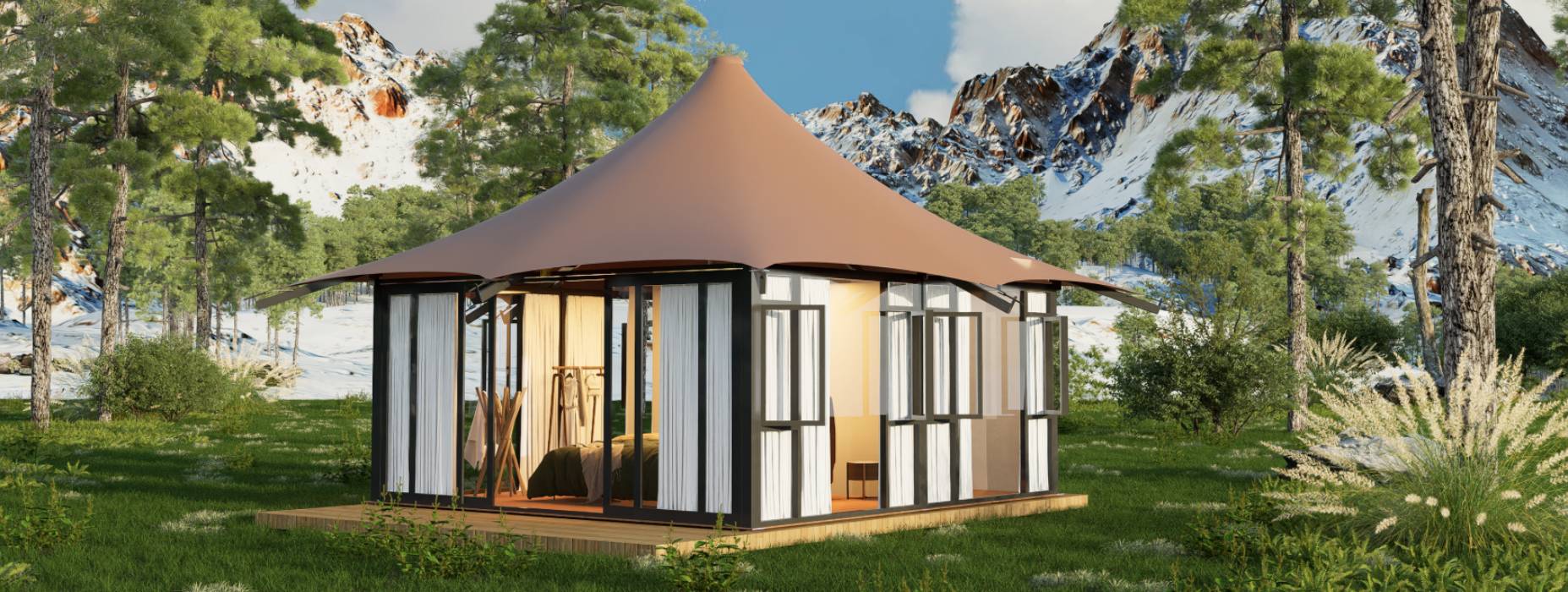
A wood-burning stove is one of the most luxurious and atmospheric additions you can make to a glamping tent. It provides warmth, ambiance, and that cozy cabin feeling that guests love. But installing a stove in a tent requires careful planning for safety and efficiency. This guide covers everything you need to know about glamping tents with stoves.
Why Add a Stove to Your Glamping Tent?
Cozy Atmosphere
There's something magical about a wood fire crackling while you're cozy inside a tent. The ambiance is unmatched. It's the kind of experience guests remember and talk about.
Efficient Heating
Wood stoves are incredibly efficient at heating small spaces. A good stove can warm even a large safari tent quickly. Unlike electric heaters, they don't rely on electricity—a big plus for off-grid locations.
Year-Round Operation
A stove allows you to operate your glamping business year-round. In cooler months, the stove becomes a major selling point. Guests seek out cozy, fire-warmed accommodations in fall and winter.
Cooking Option
Many stoves have a flat top that doubles as a cook surface. Guests can boil water, make coffee, or even cook simple meals. It adds to the self-sufficient glamping experience.
Types of Stoves for Glamping
Small Wood-Burning Stoves
Compact cast iron stoves are the most popular choice. They're small enough to fit in a glamping tent but powerful enough to heat the space. Typical sizes:
• Width: 30-50cm
• Height: 40-60cm
• Heat output: 3-8kW
These stoves burn small logs or wood briquettes.
Catalytic Stoves
More efficient and cleaner-burning than basic stoves. They have a catalytic converter that burns smoke more completely. They're more expensive but produce more heat with less wood.
Pellet Stoves
Burn wood pellets instead of logs. They're automated and efficient, but require electricity for the fan and feed system. Good for sites with reliable power.
Rocket Stoves
Ultra-efficient, clean-burning stoves that use small amounts of wood. They're popular in off-grid settings. Compact and easy to use.
Safety Considerations
Clearance and Heat Protection
This is the most important safety consideration. Stoves get very hot. You need proper clearance from combustible materials:
• At least 90cm above the stove
• 30-50cm on sides (with heat shields)
• 50cm+ behind the stove
Use heat shields on walls and floors near the stove.
Flue Pipe Installation
The flue pipe is how smoke exits. It must be installed correctly:
• Double-wall insulated pipe
• Proper flashing where it exits the tent
• Rain cap at the top
• Spark arrestor (especially in fire-prone areas)
Make sure the pipe exits well above the tent roof.
Fireproof Base
The stove sits on a fireproof base. Options:
• Steel plate
• Firebrick
• Cement board
• Heat-resistant glass
The base should extend at least 30cm beyond the stove on all sides.
Carbon Monoxide Safety
This is critical. Wood stoves produce carbon monoxide, which is odorless and deadly. Always:
• Install a carbon monoxide detector
• Ensure proper ventilation
• Never leave the stove unattended overnight
• Provide clear instructions for guests
Stove Placement in the Tent
Near the Corner
Most people place the stove in a corner of the tent. This maximizes space and keeps the heat source out of walkways. Corner placement also works well with the flue pipe going through the wall or roof.
Away from Sleeping Area
The stove should be a safe distance from the bed. Guests should be able to walk around it safely. Keep it at least 1-1.5m from the bed.
Consider the View
Don't let the stove block the view or the main window. Position it where it's functional but doesn't detract from the tent's best feature.
Stove Use for Guests
Clear Instructions
Most guests won't know how to use a wood stove. Provide:
• Step-by-step instructions
• How to start the fire
• What wood to use (and what not to burn)
• How to control the air flow
• How to safely shut it down
A simple instruction card next to the stove works well.
Provide Fire Starting Supplies
Make it easy for guests:
• Pre-cut firewood
• Kindling
• Fire starters
• Matches or lighter
• Fire poker and shovel
• Ash bucket
Safety Reminders
Gentle reminders help guests use the stove safely:
• Never leave unattended
• Keep flammable items away
• Don't overload with wood
• Check the carbon monoxide detector
Maintenance
Regular Cleaning
Stoves need regular maintenance:
• Empty ash regularly
• Clean the flue pipe (at least once a season)
• Check gaskets and seals
• Inspect for cracks or damage
Seasonal Checks
Before each heating season:
• Inspect the entire system
• Test the carbon monoxide detector
• Check for creosote buildup
• Make sure the flue is clear
Frequently Asked Questions
Is it safe to have a wood stove in a glamping tent?
Yes, it's safe when installed correctly. Thousands of glamping tents around the world have wood stoves. The key is proper installation with adequate clearance, heat shielding, a properly installed flue, and carbon monoxide detectors. Follow manufacturer instructions and local fire codes. When done right, a stove is perfectly safe.
What size stove do I need for my tent?
For a 20-30 sqm safari tent, a 3-5kW stove is usually sufficient. For larger 40-60 sqm tents, look for 5-8kW. It's better to have a slightly smaller stove you run gently than an oversized one you can't turn down. Ask the stove manufacturer for sizing advice based on your tent's insulation and your climate.
How much does it cost to add a stove?
A complete stove setup (stove + flue pipe + heat shield + accessories) typically costs $500-$1,500. Installation labor adds $200-$500. This is a relatively small investment that significantly increases guest comfort and your nightly rate. The added revenue quickly pays for the cost.
Do guests know how to use a wood stove?
Many guests won't. That's why clear instructions are so important. Provide simple, step-by-step instructions and have fire starting supplies ready. Most guests are excited to try a wood stove—it's part of the experience. With good instructions, almost anyone can use one safely.
Conclusion
A wood-burning stove is a game-changer for glamping. It adds warmth, ambiance, and that cozy cabin feeling that guests absolutely love. While installation requires careful planning for safety, the result is a glamping experience that stands out from the competition.
For year-round operation or just a more luxurious cold-weather offering, a stove is well worth the investment. Guests will pay premium rates for a cozy, fire-warmed glamping experience. With proper installation, clear instructions, and regular maintenance, your glamping stove will be one of the best investments you make in your property.