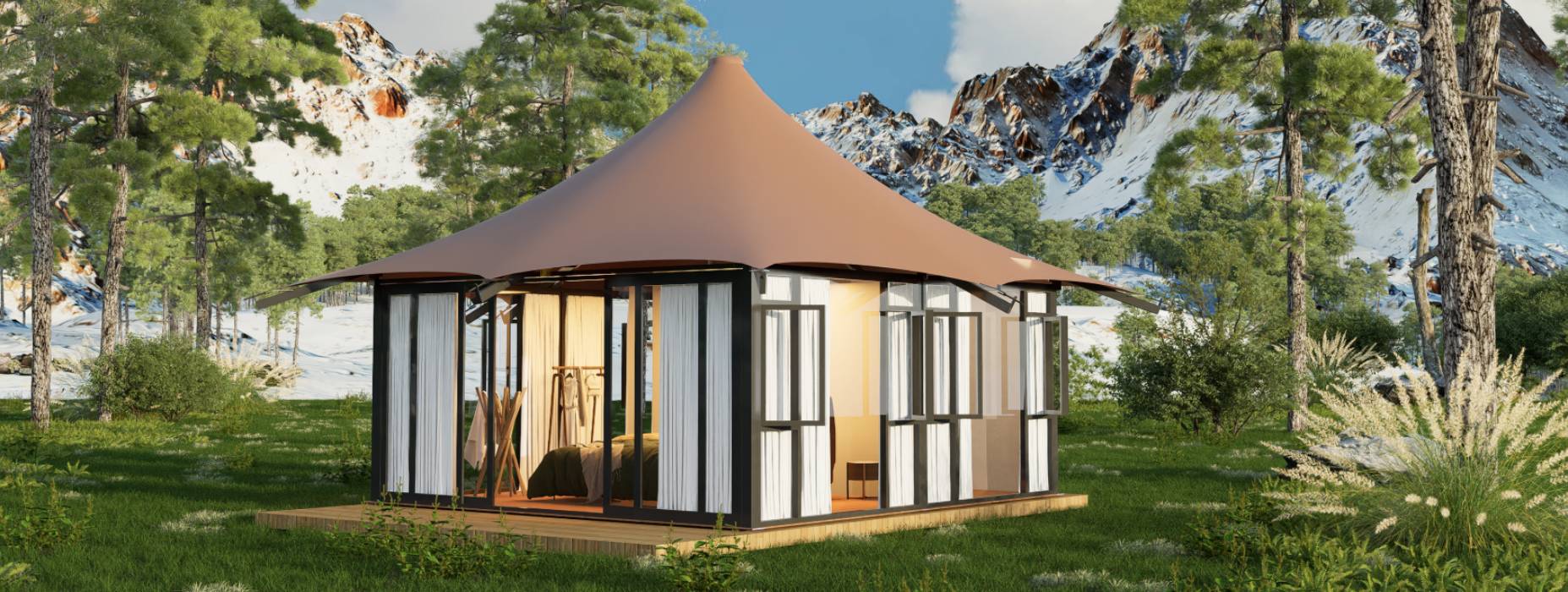
Finding the right safari tent supplier is one of the most critical decisions for anyone developing a luxury glamping resort, eco-lodge, or boutique hotel project. Safari tents are the centerpiece of your property, and the quality of your supplier will directly impact guest satisfaction, project timelines, and your overall return on investment. This guide walks you through everything you need to know to select the best safari tent supplier for your specific project.
Why Your Safari Tent Supplier Matters
A safari tent is more than just a structure—it's your guests' home away from home during their stay. The right supplier will:
• Provide high-quality, durable tents that withstand years of weather exposure
• Offer customization options that match your brand vision and site requirements
• Provide engineering expertise to ensure structural safety
• Deliver on time and within budget
• Offer after-sales support and warranty coverage
Choose poorly, and you may face delays, quality issues, unexpected costs, and even safety concerns. Take the time to evaluate suppliers thoroughly before making your decision.
Key Criteria for Evaluating Safari Tent Suppliers
1. Specialized Safari Tent Experience
Not all tent manufacturers have the specific expertise needed for safari-style glamping tents. Look for a supplier who specializes in luxury safari tents specifically, rather than a general tent maker who offers safari tents as a side product. Specialized suppliers understand the unique requirements of permanent glamping accommodation:
• They know how to design tents that are spacious yet structurally sound
• They understand the importance of interior comfort and guest experience
• They have experience with en-suite bathroom integration in tent structures
• They know how to balance aesthetics with durability
Ask potential suppliers how many safari tent projects they've completed and request case studies or photo galleries of their work.
2. Quality of Materials and Construction
The quality of materials determines how long your safari tents will last and how comfortable they'll be. When evaluating a supplier, ask about:
Canvas quality: Premium safari tents use heavy-duty canvas (850gsm or higher) with waterproof, UV-resistant, and fire-retardant treatments. Ask for material samples so you can feel the weight and quality yourself. Cheaper, thinner canvas may save money upfront but will deteriorate faster and require earlier replacement.
Frame construction: The frame is the skeleton of your tent. Quality suppliers use galvanized steel or aluminum alloy frames with adequate wall thickness. Ask about the exact specifications—tube diameter, wall thickness, and coating method. Avoid suppliers who can't or won't provide detailed technical specifications.
Workmanship: Look for clean stitching, reinforced seams, quality zippers, and well-finished joints. The details matter—they indicate attention to quality that will show in the finished product.
3. Engineering and Structural Safety
Safari tents are permanent structures that must withstand wind, rain, snow, and temperature extremes. A reputable supplier will provide:
• Detailed engineering drawings and structural calculations
• Wind load and snow load ratings appropriate for your location
• Installation instructions and anchoring specifications
• Compliance with relevant safety standards
If a supplier cannot provide this type of documentation, be cautious. Your tents are a permanent investment, and cutting corners on engineering can lead to dangerous failures in extreme weather.
4. Customization Capabilities
Every glamping project is unique. Your supplier should offer sufficient customization to meet your specific needs. Look for:
• Multiple size options and the ability to create custom dimensions
• Various floor plan options (separate bedroom/bathroom/living areas)
• Window and door placement flexibility
• Canvas color and finish options
• Interior customization (flooring, electrical rough-ins, plumbing connections)
A supplier who only offers one-size-fits-all tents may not be able to adapt to your specific site layout or guest experience goals.
5. Full-Service vs. Product-Only
Some suppliers only sell the tent shell and frame. Others offer complete turnkey solutions that include interior furnishings, bathrooms, decks, and even installation. Consider which approach works best for your project:
Product-only supplier: Best if you have local contractors who can handle the interior finish and installation yourself. You have more control over the final look, but you need to manage multiple vendors.
Full-service supplier: Best if you want a single point of contact and a more streamlined process. Everything comes from one source, which simplifies project management. The supplier handles everything from design to installation, so you can focus on your business.
Questions to Ask Potential Suppliers
About Their Experience
• How long have you been manufacturing safari tents?
• How many safari tent projects have you completed?
• Can you share references from past clients with similar projects?
• Do you have experience with projects in my country/region?
About Product Quality
• What is the exact specification of the canvas you use?
• What is the frame material and wall thickness?
• What is the wind and snow load rating of your standard design?
• Can you provide material samples for me to review?
About Service and Support
• What is your typical production lead time?
• Do you provide installation instructions or on-site installation support?
• What is your warranty policy?
• Do you offer spare parts and maintenance support?
About Pricing and Logistics
• What is your quotation based on (FOB, CIF, delivered)?
• What are your payment terms?
• How do you package and ship the tents?
• Do you provide customs documentation and shipping guidance?
Red Flags to Avoid
Pricing That Seems Too Good to Be True
Safari tents require quality materials and precise engineering. If a quote is dramatically lower than all other suppliers, they're likely cutting corners on materials, construction, or engineering. Cheap tents may fail prematurely, leading to costly repairs, guest safety concerns, and damage to your brand reputation.
Vague or Evasive Answers
If a supplier hesitates when you ask technical questions, gives vague answers, or avoids providing detailed specifications, this is a red flag. A confident, reputable supplier will be happy to answer your questions in detail and provide documentation to back up their claims.
No Verifiable References
A legitimate supplier should be able to provide references from past customers. If they can't or won't put you in touch with previous clients, proceed with caution. You can also look for reviews and testimonials online, or ask for introductions to their existing customers.
Poor Communication
Pay attention to how the supplier communicates during the inquiry process. Are they responsive? Do they answer your questions thoroughly? Do they seem genuinely interested in your project? Poor communication during the sales process often predicts poor communication throughout the project and after-sales support.
Frequently Asked Questions
How do I verify a safari tent supplier's credibility?
Start by checking their business registration, years in operation, and physical address. Look for verified customer reviews and case studies. If possible, request a factory audit or third-party inspection before placing a large order. Video calls showing the production floor can help verify that the supplier actually has the manufacturing capabilities they claim. Ask for references from at least 2-3 past customers and contact them directly.
What is the typical lead time for safari tent orders?
Production lead times vary depending on order size and customization level. Standard safari tent models typically take 2-4 weeks to produce. Custom designs or bulk orders of 10+ units may take 4-8 weeks. Add 2-4 weeks for international shipping (depending on destination). Always get a written lead time estimate from your supplier and build in some buffer for unexpected delays.
Can I customize the safari tent design?
Yes, most reputable safari tent suppliers offer customization options. This can include size adjustments, floor plan modifications, window and door configurations, canvas colors, and interior layout options. Some suppliers also offer ODM services where they can help you design a completely unique tent style. Be sure to discuss your customization needs early in the process, as custom designs may require additional engineering time.
What warranty should I expect from a safari tent supplier?
Warranty coverage varies by supplier and product level. Typical warranties include 1-3 years for the canvas fabric and 5+ years for the structural frame. Some premium suppliers offer longer warranties. Be sure to understand exactly what is covered—manufacturing defects, material quality, or both—and what voids the warranty (improper installation, lack of maintenance, extreme weather events). Get the warranty terms in writing before placing your order.
Conclusion
Choosing the right safari tent supplier is a decision that will shape the success of your glamping project for years to come. Take the time to research multiple options, compare their offerings carefully, and ask the right questions. The right supplier will be more than just a vendor—they'll be a partner who helps you turn your glamping vision into a successful reality.
Remember that the cheapest option is rarely the best value in the long run. Invest in a supplier with proven expertise, quality materials, and good customer support. Your safari tents are the heart of your business, and choosing the right partner is one of the most important investments you'll make in your project.