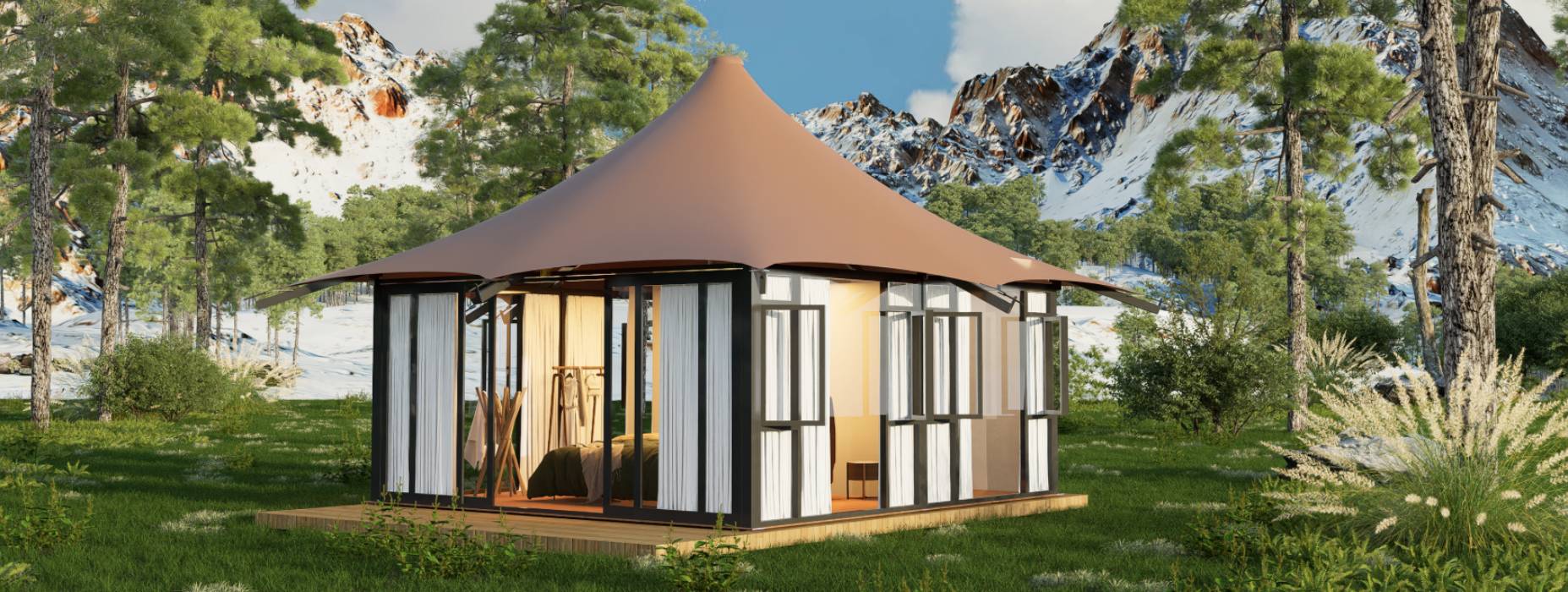
Proper heating is essential for glamping comfort, especially if you want to operate year-round. Cold guests leave bad reviews and don't return. The right heating solution keeps your glamping tent cozy and inviting even in chilly weather. This complete guide covers all your options for heating glamping tents.
Why Good Heating Matters
Guest Comfort
Guests expect to be warm and comfortable. No one wants to crawl into a cold bed or shiver through dinner. Proper heating is fundamental to the glamping experience.
Year-Round Operation
Without good heating, you're limited to summer-only operation. With it, you can operate 12 months a year—doubling your potential revenue.
Premium Pricing
Cozy, warm accommodations command premium rates in cooler months. Guests seek out fire-warmed glamping experiences in fall and winter.
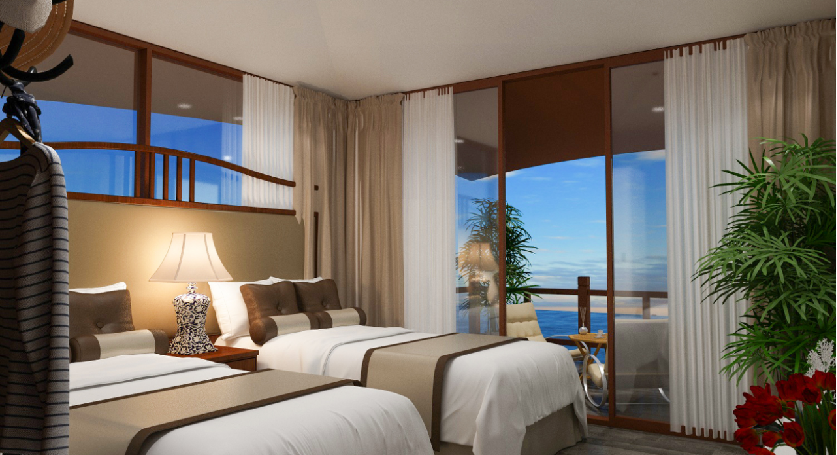
Heating Options for Glamping Tents
Wood-Burning Stoves
The most popular and atmospheric heating option:
Pros:
• Cozy, inviting ambiance
• Efficient heat output
• Doesn't require much electricity
• Can be used for cooking
• Unique selling point
Cons:
• Requires chimney installation
• Needs regular maintenance and cleaning
• Guests need instruction
• Fire safety considerations
Electric Heaters
Simple and straightforward:
Pros:
• Easy to install and use
• No ventilation needed
• Safe (modern units have tip-over shutoff)
• Thermostatic control
Cons:
• Expensive to run
• Uses a lot of electricity
• Less ambiance
• Not great for off-grid
Ductless Mini-Split Heat Pumps
Heats and cools in one system:
Pros:
• Efficient heating and cooling
• Quiet operation
• Thermostatic control
• Mounted out of the way
Cons:
• Expensive upfront
• Requires installation
• Needs electricity
• Less effective in very cold weather
Propane Heaters
Popular for off-grid locations:
Pros:
• Works off-grid
• No electricity needed (for vent-free models)
• Effective heat output
Cons:
• Carbon monoxide risk (vented vs. vent-free)
• Propane supply needed
• Less ambiance
Radiant Underfloor Heating
Luxury option for premium units:
Pros:
• Warm, comfortable radiant heat
• No radiators taking up space
• Quiet and invisible
Cons:
• Expensive to install
• Slow to heat up
• Needs electricity or water heating system
Choosing the Right Heating Solution
Consider Your Climate
Your climate determines your heating needs:
• Mild winters: electric heaters or mini-splits are enough
• Cold winters: wood stove or propane heater needed
• Very cold climates: multiple heating sources recommended
Consider Your Power Supply
What's available on your site?
• Grid power: electric heaters, mini-splits work great
• Off-grid: wood stove or propane heater better
• Limited solar: wood stove is your best bet
Consider Your Guests
What do your guests expect?
• Luxury glamping: cozy wood stove + central heating
• Budget glamping: basic electric heaters
• Romantic getaway: wood stove ambiance is key
Heating Safety
Carbon Monoxide Safety
This is critical. Any combustion heater produces carbon monoxide:
• Always install a CO detector
• Ensure proper ventilation
• Never leave combustion heaters unattended overnight
• Follow manufacturer instructions exactly
Fire Safety
Keep heaters away from combustibles:
• Proper clearance from canvas and furniture
• Fireproof base under wood stoves
• No drying clothes on heaters
• Smoke alarms in every unit
Electrical Safety
For electric heaters:
• Don't overload circuits
• Don't use extension cords (or use heavy-duty ones)
• Choose heaters with safety shutoff features
• Regularly inspect cords and plugs
Maximizing Heat Efficiency
Insulation
Good insulation makes heating much more efficient:
• Insulated canvas (upgrade when buying tents)
• Thermal curtains or blinds
• Insulated floor
• Draft-proof doors and windows
Better insulation means smaller heater, lower energy bills, and cozier guests.
Heat Retention
Keep the heat in:
• Close doors and windows when heating
• Use curtains to cover windows at night
• Seal gaps and drafts
• Close off unused areas (if possible)
Zoned Heating
Heat only the areas that need it:
• Bed area: warm it before bedtime
• Bathroom: heat it up before shower time
• Living area: main heating source
Guest Experience Tips
Pre-Heat the Tent
Have the tent nice and warm before guests arrive. A cold tent is a bad first impression. Pre-heat 30 minutes before check-in.
Clear Instructions
Make sure guests know how to use the heating:
• Simple instructions for thermostats
• How to use the wood stove
• Where extra blankets are
• Emergency contact if heating fails
Extra Blankets
Always provide extra blankets. Even if the heating works well, some guests like extra layers. Fluffy blankets add to the cozy feeling.
Frequently Asked Questions
What's the best heating for a glamping tent?
It depends on your priorities. Wood stoves offer the best ambiance and work off-grid. Electric heaters are simplest. Mini-splits are most efficient for year-round heating and cooling. Many luxury glamping tents use a combination: a wood stove for ambiance and a mini-split or electric heater for background heat. Choose based on your climate, power supply, and guest expectations.
How much does it cost to heat a glamping tent?
Heating costs vary by fuel type and climate:
• Electric heaters: $5-$15 per night
• Wood stove: $2-$5 per night (firewood cost)
• Propane: $5-$10 per night
• Mini-split heat pump: $3-$8 per night
These are rough estimates. Add heating costs to your operating budget and factor them into your pricing.
Can I sleep with a wood stove on overnight?
It depends on the stove and instructions. Many modern stoves can safely burn overnight if damped down properly. However, for guest safety, many operators recommend: build up the fire before bed, let it burn down to coals, and close the dampers. This keeps the tent warm through the night without an active fire. Always provide clear instructions and a CO detector.
How warm should I keep the glamping tent?
Aim for 18-22°C (65-72°F) inside the tent. This is comfortable for relaxing and sleeping. Guests can adjust the thermostat themselves. Provide extra blankets for those who like it cooler. Don't overheat—guests can always put on more clothes, but they can't take off more than they're wearing.
Conclusion
Good heating is essential for glamping comfort and year-round operation. Whether you choose a cozy wood stove, efficient mini-split, or simple electric heaters, the goal is the same: keep your guests warm and comfortable.
Invest in quality heating and proper insulation. The result is glamping tents that are inviting and comfortable in any weather. Guests will love the cozy, warm atmosphere—and they'll pay premium rates for it. With the right heating solution, your glamping business can thrive year-round.