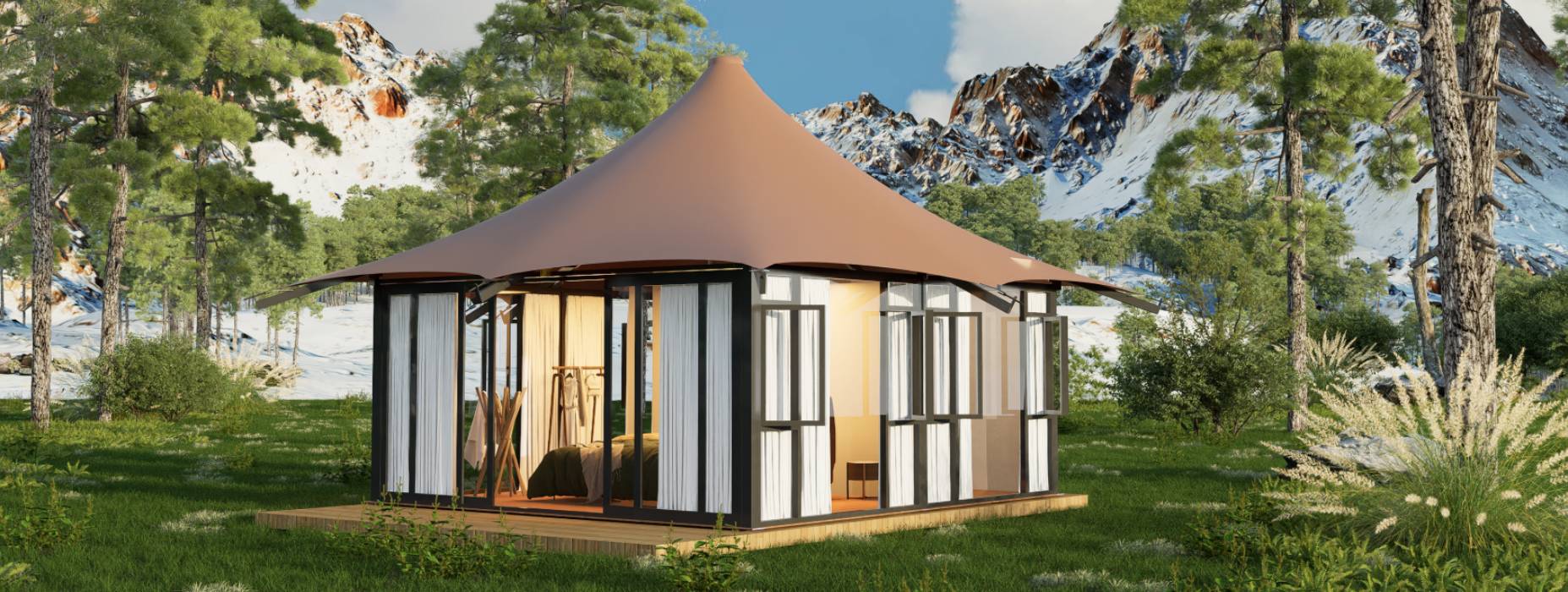
G lam ping - Un ter kün fte haben sich als die Zukunft der Out door - G ast fre unds chaft entwick elt und ver ändern die Art und Weise , wie Menschen das Out door er leben , indem sie den Ner ven kit zel des Camp ings mit dem Kom fort und Lux us eines Hotels verb inden . Da Reis ende zun eh mend sinn volle , eind ring liche Erfahr ungen suchen , die es ihnen ermög lichen , mit der Natur zu verb inden , ohne den Kom fort zu op fern , haben G lam ping - Un ter kün fte eine Lü cke auf dem Markt gesch lossen und eine nach hal tige , stil volle und unver g ess liche Altern ative zu tradition ellen Camp ing pl ätzen und her kö mm lichen Hotels bi eten . Von ab gele gen en Wild nis - R et re ats zu Kü sten res orts und st äd tis chen Gr ünf lä chen , g lam ping Unter kün fte neu defini eren Out door - A uf ent hal te , cat ering für eine vi elf äl tige Pa lette von Reis enden und tre iben das Wach stum der Out door - H ospita lity - Industrie .
Was die G lam ping - Un ter kün fte aus zeichnet , ist ihre Fä hig keit , ein ganz heit liches Er leb nis zu bi eten , das Natur , Kom fort und Lux us verbind et . Im Geg ens atz zum tradition ellen Camp ing , bei dem die G ä ste es mit minim alen An neh m lich keiten rau en müssen , bi eten G lam ping - Un ter kün fte Kom fort auf ho tele ig ener Ebene in einer nat ür lichen Um geb ung . Da zu gehören aus g esu chte Bet ten mit hoch wer tiger Bett w äs che , eigen stän dige B ade zim mer mit War m was ser dus chen , Kli maan lagen und sogar An neh m lich keiten wie Wi - Fi , Smart TV s und Mini bar s . Gleich zeitig tau chen g lam ping Unter kün fte G ä ste in die Natur ein , mit großen Fen st ern oder transpar enten W änd en , die einen Pan orama blick auf W äl der , Ber ge , O ze ane oder Sav annen bi eten . V iele G lam ping - S ites bi eten auch ein zig arti ge Out door - Ak tiv itäten , wie ge führ te W ander ungen , Wild tier to uren , S tern be oba cht ungen und Farm - to - Table - Es sen , die es den G ä sten ermög lichen , sich auf sinn volle Weise mit ihrer Um geb ung zu beschä ftigen . Diese Kombin ation aus Kom fort und E inta u chen scha fft ein Er leb nis , das sowohl entsp ann end als auch ab ente uer lich ist und für eine Vi el zahl von Reis enden an sp richt - von Pa aren , die einen romant ischen Ur laub suchen , bis hin zu Familien , die ein unter hal ts ames Out door - Ab ente uer suchen .
G lam ping - Un ter kün fte sind au ßerdem sehr an pass ungs fähig , sod ass sie für eine Vi el zahl von Stand orten und Ziel mär k ten gee ignet sind . Ob in einem ab gele gen en Wild nis ge biet , einer Kü sten stadt , einem Berg ort oder sogar einem Stadt park eing ericht et , können g lam ping Unter kün fte an die lokale Um geb ung und die Bed ür f nisse der G ä ste ange pas st werden . Zum Beispiel in einer Wald um geb ung könnten g lam ping Z elte mit einer rus tik alen , nat ür lichen Ä st hetik ent wor fen werden , wobei Hol z und Le in wand verwendet werden , um sich in die Um geb ung zu ver mis chen , während in einem Kü sten ge biet Z elte ein modern es , str and gem ä ss es Design mit h ellen Far ben und Open - Air - L ayo uts auf weisen könnten . Diese An pass ungs fähigkeit ermög licht es den Bet reib ern , ein zig arti ge , stand orts pe zi f ische Er leb nisse zu schaffen , die sich auf dem Markt ab zeich nen und unterschied lichen Reis enden prä fer en zen und Bud gets gerecht werden - von kost eng ün sti gen Ö kol od gen bis hin zu Lux us - Z elt - Res orts .
Nach hal tigkeit ist ein Kern pr inzi p der modern en g lam ping Unter kün fte , die mit der wach s enden Nach frage nach um welt fre und lichen Re isen aus g ericht et sind . V iele G lam ping - Bet re iber prior isi eren nach hal tige Prak tik en , wie die Verwendung von um welt fre und lichen Materia lien für Z elte (wie Le in wand , die biolog isch abba ub ar und at mung sak tiv ist), die Inst alla tion von Solar m odu les zur Str om vers org ung von An neh m lich keiten , die Verwendung von Kom post to ilet ten und die Bes cha ffung lokal er , biolog ischer Lebens mittel für das Essen . G lam ping - Un ter kün fte haben auch eine gering ere Umwelt bela st ung als traditionelle Hotels , da sie minima le Kon struk tion und In frastruktur ben ö tigen und die Not wendig keit von um fang reichen Bet on fund ament en , dau er ha ften Geb ä uden und groß ang ele gten Energie ver brauch verme iden . Dieser ger inge An satz sch ützt nicht nur die nat ür liche Umwelt , sondern sp richt auch für um welt be wus ste Reis ende an , die ihren CO 2 - Fu ß ab druck minimi eren und gleich zeitig die Natur gen ie ßen wollen .
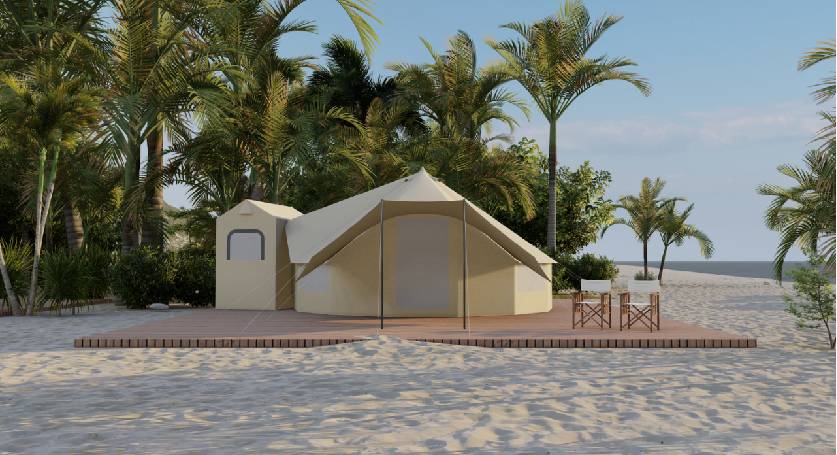
Das Wach stum von g lam ping - Un ter kün ften wird auch durch den Auf sti eg von Er leb nis re isen get rieben , bei denen Reis ende ein zig arti ge , unver g ess liche Erfahr ungen an stelle materi eller Bes it zt ü mer suchen . G lam ping bi etet genau das - eine Chance , sich von den Bela st ungen des tä gli chen Lebens zu tr ennen , sich mit der Natur zu verb inden und dau er ha fte Er inner ungen zu schaffen . E gal , ob man den Sonn ena uf gang über einer Geb irg sk ette beoba chtet , Wild ti ere in einer Sa van ne beoba chtet oder unter einem klar en Nach th im mel die S terne betra chtet : G lam ping - Un ter kün fte bi eten Er leb nisse , die in tradition ellen Hotels schwer zu rep lizi eren sind . Dieser Fokus auf Er leb nis re isen hat G lam ping zu einer beli eb ten Wahl für Reis ende aller Al ters gruppen gemacht , von Millenni als , die Ab ente uer suchen , bis hin zu Baby - Bo om ern , die eine kom fortable Art und Weise suchen , um die Natur zu erk unden .
Für Bet re iber bi etet die Invest ition in g lam ping - Un ter kün fte eine Reihe von Vor te ilen , dar unter nied rig ere Start k osten im Vergleich zu tradition ellen Hotels , eine schnell ere Rend ite und die Fä hig keit , ein wach s endes Markt seg ment zu bedi enen . Durch die Partners chaft mit ren om mi erten Lie fer anten und Hersteller n von G lam ping - A us r üst ung können Bet re iber auf hoch wer tige Z elte und An neh m lich keiten zug re ifen , die ihren Bed ür fn issen und ihrem Budget entspre chen , und prof iti eren gleich zeitig von Exper ten berat ung in Bezug auf Stand ort plan ung , Design und Betrieb . Da die Nach frage nach G lam ping weiter wä chst , werden G lam ping - Un ter kün fte zu einem immer wich tiger en Teil der Out door - H ospita lity - Lands chaft werden und Reis enden eine ein zig arti ge Möglichkeit bi eten , die Natur zu er leben und gleich zeitig den Kom fort zu Hause zu gen ie ßen .
Während sich die Zukunft der Out door - H ospita lity ent falt et , werden g lam ping - Un ter kün fte an der Sp it ze bleiben , ang et rieben von ihrer Fä hig keit , Kom fort , Nach hal tigkeit und immer sive Erfahr ungen zu komb ini eren . Für Reis ende , die eine Möglichkeit suchen , sich mit der Natur zu verb inden , ohne auf den Kom fort zu verzi chten , und für Bet re iber , die einen wach s enden Markt ersch ließen mö chten , sind g lam ping Unter kün fte nicht nur ein Trend - sie sind die Zukunft der Out door - A uf ent hal te .