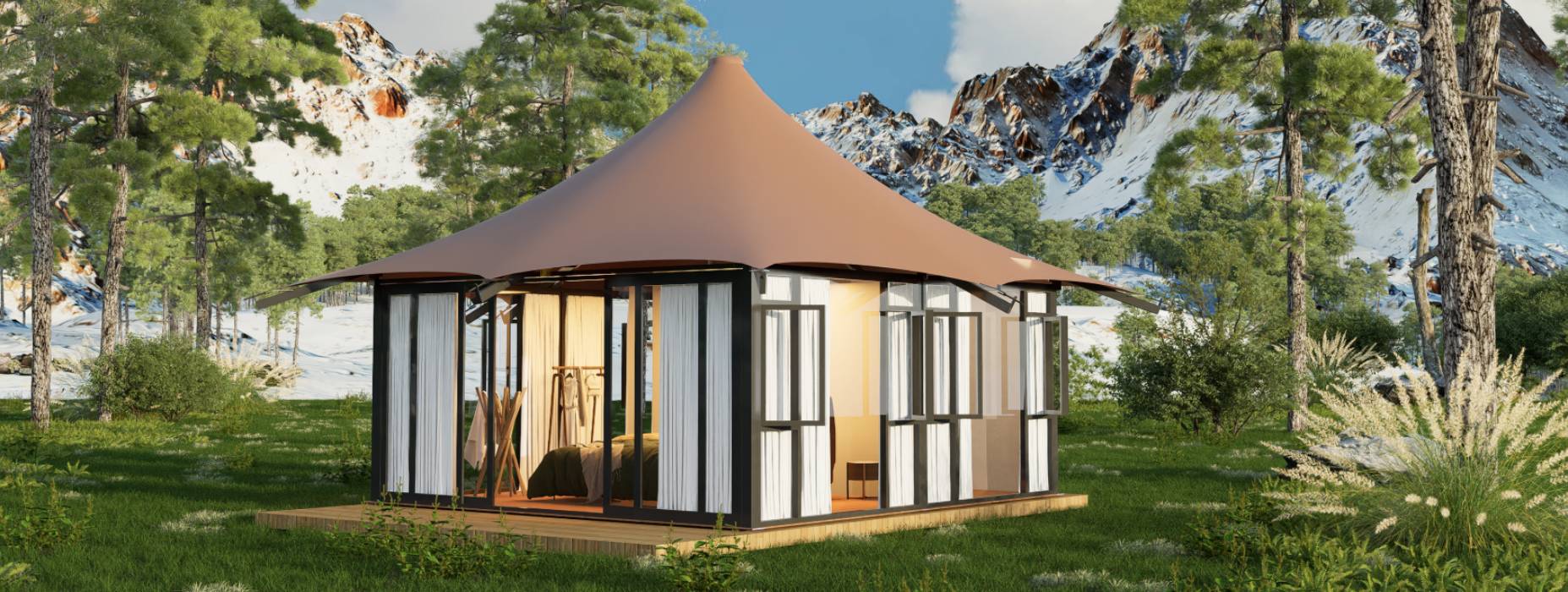
Every glamping property is unique, and sometimes stock tent designs just aren't right for your vision. That's where custom glamping tent manufacturing comes in. Working with a manufacturer to design your own custom tents lets you create accommodations that perfectly match your brand, site, and guest experience goals. This guide explains how custom glamping tent manufacturing works and how to choose the right partner.
What Are Custom Glamping Tents?
Custom glamping tents are tents designed and built to your specific requirements. Instead of choosing from standard stock sizes and designs, you work directly with the manufacturer to create a tent that's tailored to your needs. This might mean:
• Custom sizes and dimensions
• Unique shapes or architectural features
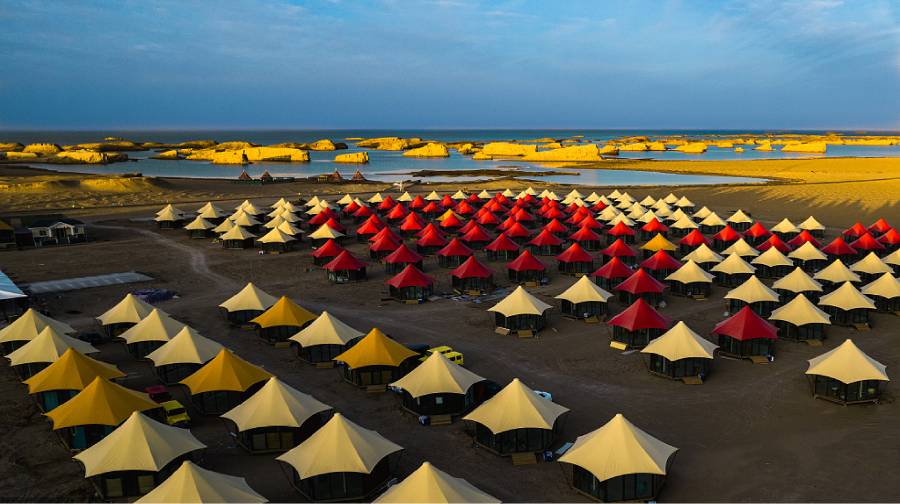
• Specific interior layouts
• Custom colors and materials
• Brand-specific design elements
Why Choose Custom Glamping Tents?
Perfect Fit for Your Site
Every site is different. Maybe you have a narrow lot that needs a specific tent shape. Maybe you want to maximize views from a particular angle. Custom tents are designed to fit your site perfectly, making the most of your location.
Unique Brand Identity
Standard tents look like everyone else's. Custom tents let you create a signature look that's uniquely yours. Your tents become part of your brand identity—something guests recognize and remember.
Optimized Guest Experience
When you design the tent yourself, you can optimize every detail for guest comfort. Maybe you want a bigger bathroom, a specific window arrangement, or a unique outdoor space. Custom design means the tent works exactly the way you want it to.
Competitive Advantage
In a crowded glamping market, unique accommodations stand out. Custom-designed tents give you a unique selling point that attracts guests and justifies premium pricing.
What Can You Customize?
Size and Dimensions
The most basic customization is size. Instead of choosing from standard sizes, you can specify exact dimensions that work for your site and guest experience needs.
Shape and Design
More advanced customization includes the tent's shape and architectural design. Maybe you want a unique roofline, extended veranda, or special entrance. Working with a design-focused manufacturer, you can create truly one-of-a-kind structures.
Interior Layout
Custom interior layouts let you design the perfect floor plan:
• Bathroom placement and size
• Bedroom vs. living area proportions
• Kitchenette or mini-bar placement
• Storage and wardrobe space
Materials and Finishes
Choose your preferred materials and finishes:
• Canvas weight and color
• Frame material and finish
• Window styles and sizes
• Door types
Technical Features
Custom technical features might include:
• Solar panel mounting
• Insulation for extreme climates
• Stargazing roof windows
• Outdoor shower integration
How the Custom Design Process Works
Step 1: Consultation
The process starts with a consultation. You share your vision, site details, and requirements. The manufacturer's design team listens and provides input based on their experience.
Step 2: Concept Design
The manufacturer creates initial concept designs based on your requirements. You review and provide feedback. This iterative process continues until you're happy with the design.
Step 3: Engineering and Detailing
Once the concept is approved, the design is engineered in detail. This includes structural calculations, material specifications, and construction drawings.
Step 4: Prototyping (Optional)
For highly custom designs, some manufacturers build a prototype. This lets you see and test the design before full production. Prototyping adds cost but reduces risk for complex projects.
Step 5: Production
Once the design is finalized, your custom tents go into production. The manufacturer builds them to your exact specifications.
Choosing a Custom Tent Manufacturer
Design Capability
Not every manufacturer can handle custom design. Look for one with:
• In-house design and engineering team
• Portfolio of custom projects
• Ability to translate your vision into reality
• Experience with unique or complex designs
Flexibility
Custom projects require flexibility. The manufacturer should be willing to adapt and iterate based on your feedback. Avoid factories that push a one-size-fits-all solution.
Communication
Custom design requires close collaboration. Good communication is essential. The manufacturer should:
• Listen carefully to your ideas
• Provide professional input and suggestions
• Respond promptly to questions
• Keep you updated throughout the process
Track Record
Look for a manufacturer with a proven track record of custom projects. Ask for case studies and references from other custom clients.
Considerations for Custom Projects
Budget
Custom tents typically cost more than stock models. Expect to pay a premium for design work, engineering, and custom production. However, the unique result is often worth the investment.
Lead Time
Custom projects take longer than stock orders. Factor in:
• Design and engineering time
• Prototyping (if needed)
• Custom production time
Custom projects can take 2-3 times longer than standard orders.
MOQ (Minimum Order Quantity)
Some manufacturers require a minimum order quantity for custom designs. This varies by factory. Ask about MOQs upfront.
Frequently Asked Questions
How much more expensive are custom glamping tents?
Custom tents typically cost 20-50% more than stock models, depending on the complexity of the design. Simple customizations (different size, color) may only add 10-15%. Highly complex, one-of-a-kind designs can cost double or more. The premium is for design work, engineering, and the flexibility of custom production. For many resorts, the unique result justifies the investment.
Can I modify a standard tent design?
Yes, most manufacturers offer some level of customization even on standard models. This might include changing the canvas color, adding windows, modifying the layout, or adjusting the size slightly. This is a middle ground between fully custom and stock. Ask what modifications are available on their standard models.
Do I need architectural drawings for a custom tent?
It helps to have your ideas organized, but you don't need professional architectural drawings. A good custom manufacturer will work with you to develop the design from your description and sketches. They have the engineering team to turn your vision into buildable designs. Just be able to clearly communicate what you want.
What if my custom design doesn't work out?
A reputable custom manufacturer will work with you to refine the design until it's right. The design process is collaborative—you'll review and approve designs at each stage before production starts. That way, you're confident in the design before any materials are cut. For complex projects, prototyping can de-risk the process further.
Conclusion
Custom glamping tents let you create accommodations that are perfectly tailored to your vision, site, and guests. While they cost more and take longer than stock tents, the unique result can be a major competitive advantage. By choosing the right custom manufacturer and working closely with their design team, you can bring your unique glamping vision to life.
When selecting a custom manufacturer, prioritize design capability, communication, and track record. The right partner will be invested in your success and help you create something truly special. With custom-designed tents, your glamping property stands out from the crowd and creates an experience guests will never forget.