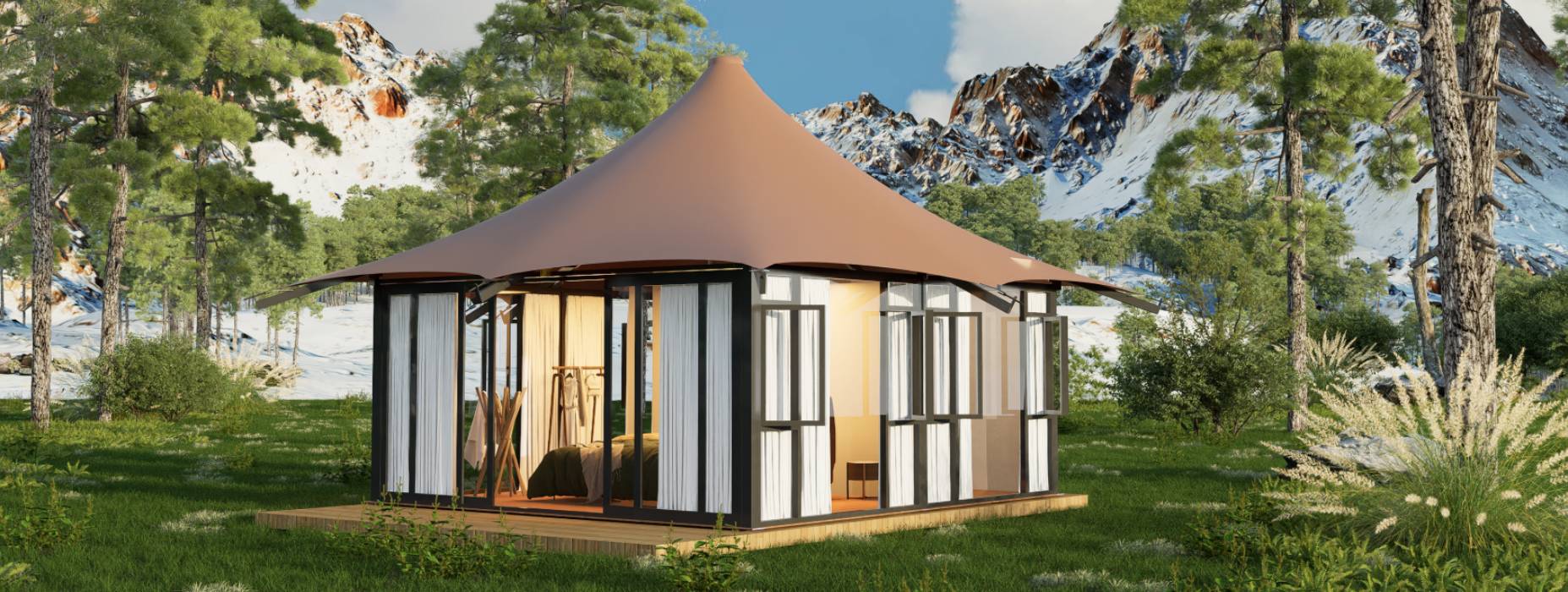
Safari tents have emerged as remarkable architectural wonders that seamlessly blend with the natural environment. These unique structures offer a captivating way to experience the beauty of nature while enjoying modern comforts.
One of the key aspects of safari tents is their design. They are crafted to mimic the organic shapes and forms found in nature. The curved lines and gentle slopes of the tent bodies resemble the undulating landscapes around them. This not only creates a visually appealing aesthetic but also allows the tents to sit harmoniously within their surroundings. Whether nestled in a forest glade or on a savannah plain, the tents seem to grow out of the earth rather than intrude upon it.
The materials used in constructing safari tents also play a crucial role in their harmony with nature. Natural fabrics such as canvas are often employed. Canvas is breathable, allowing air to circulate freely, which gives a sense of being in touch with the outdoors. It also has a warm, earthy texture that adds to the rustic charm. Additionally, the use of wood in the tent frames provides a connection to the natural world. The grain and color of the wood blend in with the surrounding vegetation, creating a cohesive look.
Another way safari tents harmonize with nature is through their placement. They are strategically positioned to maximize the view of the natural scenery. Large windows and open doorways are designed to frame the landscapes, whether it's a majestic mountain range, a lush jungle, or a serene lake. Guests can wake up to the sights and sounds of nature right outside their tent. This proximity to nature not only offers a sense of tranquility but also allows for easy access to outdoor activities like hiking, bird watching, or simply enjoying the fresh air.
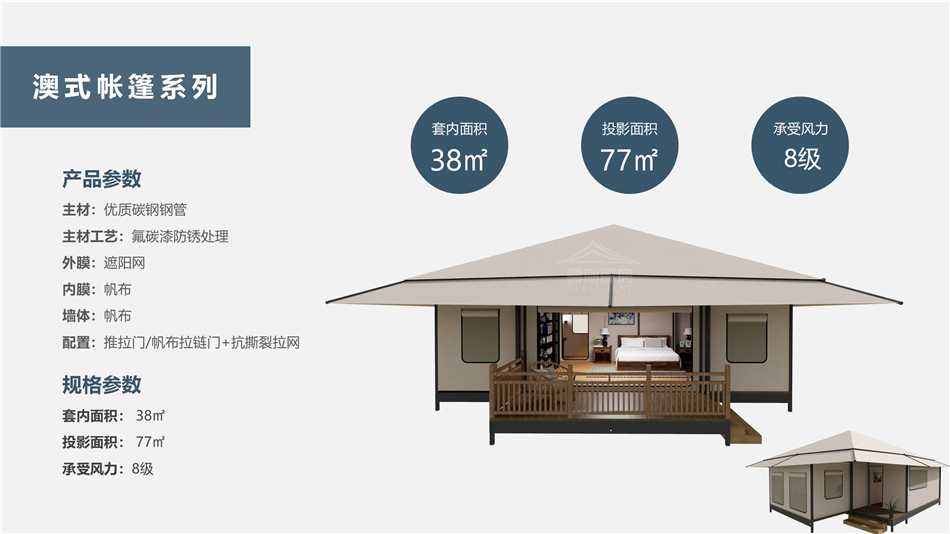
Moreover, safari tents are designed with minimal environmental impact. They are often equipped with energy-efficient lighting and ventilation systems. Solar panels can be installed to harness renewable energy, reducing the reliance on traditional power sources. Water conservation measures are also implemented, such as low-flow faucets and rainwater harvesting systems. These sustainable features ensure that the tents coexist with nature without causing excessive harm.
In terms of functionality, safari tents provide a comfortable living space. They are equipped with modern amenities like cozy beds, private bathrooms, and sometimes even air conditioning for those warmer nights. However, the focus remains on the connection with nature. The interior design often incorporates natural elements such as plants and earthy colors, further enhancing the feeling of being part of the natural environment.
Safari tents also offer a unique opportunity for wildlife encounters. Being in close proximity to nature means that animals may pass by or even visit the campsite. This can be an exhilarating experience for guests, allowing them to observe wildlife in their natural habitat without disturbing them. It's a chance to witness the beauty and diversity of nature up close, creating memories that will last a lifetime, all while being surrounded by the architectural wonder of a safari tent that has been carefully designed to fit seamlessly into the natural world. In conclusion, safari tents are a testament to how architecture can be both functional and harmonious with nature, providing a one-of-a-kind experience for those seeking to immerse themselves in the beauty of the great outdoors.