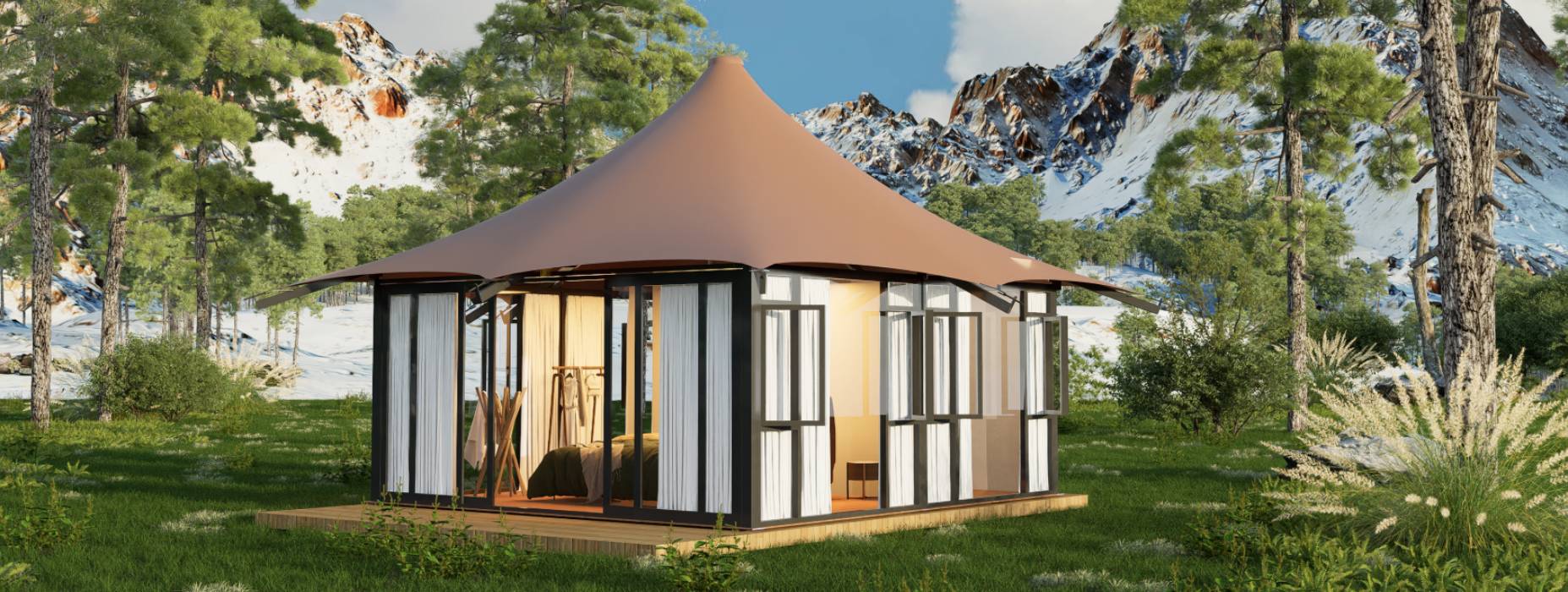
Safari tents have become increasingly popular for those seeking an adventurous yet comfortable outdoor experience. Whether you're planning a camping trip in the wild or a glamping getaway, getting the most out of your safari tent's comfort requires some know-how. Here are some professional tips to help you achieve just that.
1. Tent Selection
Size Matters: Choose a safari tent that suits the number of people you'll be accommodating. A tent that's too small will feel cramped, while one that's too large might be difficult to set up and manage. Consider the sleeping arrangements and any additional space you might need for gear or relaxation.
Quality of Materials: Look for tents made from high-quality materials. A good-quality tent will be more durable, waterproof, and breathable. Check the fabric, stitching, and poles to ensure they can withstand the elements.
2. Setup
Location, Location, Location: Select a flat, dry, and level area for your tent. Avoid low-lying areas prone to flooding and areas near dead trees or branches that could fall. Also, consider the wind direction and find a spot that offers some natural shelter.
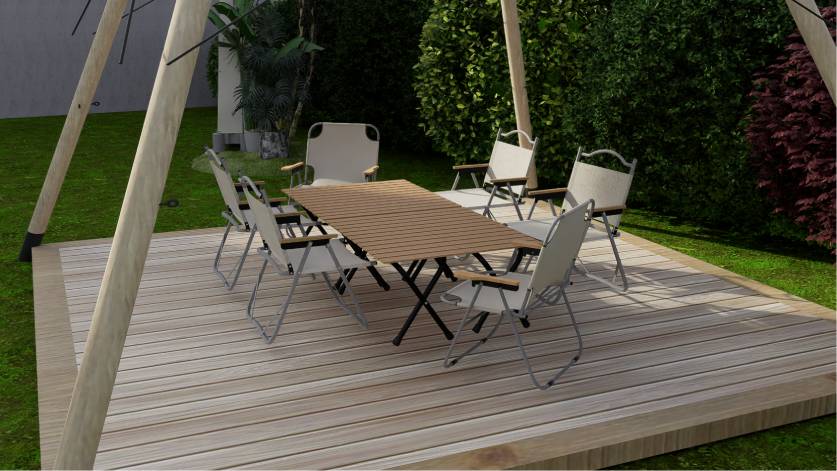
Stake It Down Properly: Make sure all the tent pegs are firmly inserted into the ground. This will keep the tent stable in windy conditions. Use additional guy lines if necessary to provide extra support.
Assembly: Follow the manufacturer's instructions carefully when setting up the tent. Pay attention to how the poles are connected and the order in which the tent is erected. This will ensure a proper and secure setup.
3. Interior Arrangement
Sleeping Comfort: Invest in good-quality sleeping mats or air mattresses. They will provide a comfortable surface to sleep on and help insulate you from the cold ground. Use soft pillows and warm sleeping bags appropriate for the weather.
Storage: Keep your gear organized by using storage bags or boxes. This will prevent clutter inside the tent and make it easier to find what you need. Hang up small items like flashlights and keys on hooks.
Lighting: Install proper lighting inside the tent. You can use lanterns, battery-powered lights, or even string lights for a cozy atmosphere. Make sure there's enough light for reading, playing cards, or moving around safely at night.
4. Climate Control
Ventilation: Most safari tents come with ventilation features like mesh windows and vents. Keep them open during the day to allow fresh air to circulate and prevent condensation buildup. Use fans if needed to enhance air movement.
Sun Protection: Use sunscreen, hats, and sunglasses to protect yourself from the sun's rays when outside the tent. Inside the tent, consider using blackout curtains or sheets to block out sunlight and keep the tent cool during the day.
Cold Weather: In colder climates, bring extra blankets and layers. You can also use a heater inside the tent, but make sure it's safe and well-ventilated. Consider insulating the tent with additional materials if possible.
5. Amenities
Kitchen Setup: If you plan to cook inside the tent, set up a proper kitchen area. Use a portable stove or grill outside the tent for safety. Have a table for food preparation and storage for cooking utensils and ingredients.
Bathroom Facilities: Depending on the location, you might need to set up a makeshift bathroom. Use a portable toilet and consider bringing a shower tent or using a nearby natural water source for a refreshing rinse.
Entertainment: Don't forget to bring some entertainment options like books, games, or a portable speaker for music. This will enhance your overall experience and make your time in the tent more enjoyable.
By following these pro tips, you can maximize the comfort of your safari tent and have a memorable outdoor adventure. Whether you're exploring the African savannah or a secluded forest, your safari tent can be a cozy and inviting home away from home.