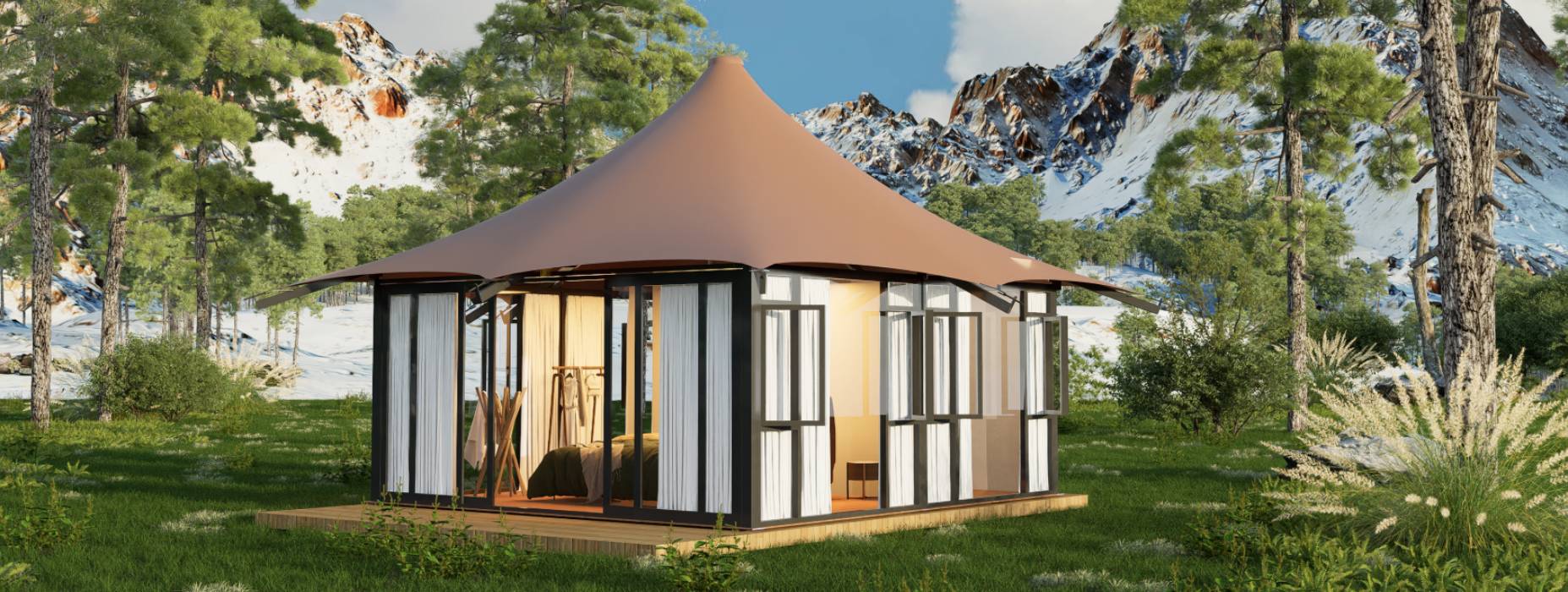
Camping has evolved from roughing it in a basic shelter to embracing luxury and comfort in the great outdoors. Lodge tents—also known as "glamping tents"—have revolutionized outdoor accommodation by blending the immersion of nature with hotel-like amenities. Whether you’re planning a romantic getaway, family vacation, or solo retreat, choosing the right lodge tent is key to elevating your experience. This comprehensive guide explores everything you need to know about lodge tents, from design features to setup tips, ensuring your next adventure is both stylish and comfortable.
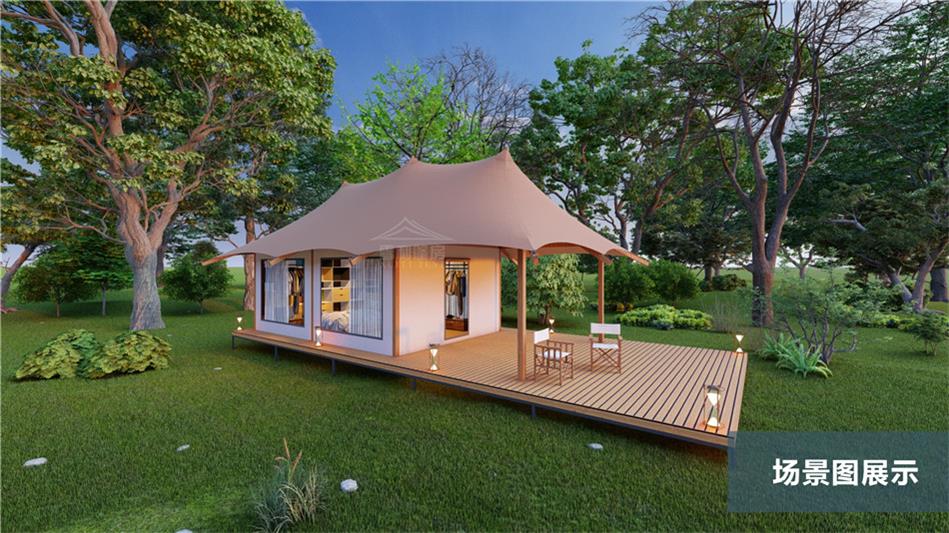
Why Choose a Lodge Tent? The Rise of Glamping
Traditional camping often involves sacrificing comfort for proximity to nature. Lodge tents bridge this gap, offering:
Spacious interiors: Unlike cramped backpacking tents, lodge tents feature high ceilings, separate rooms, and ample storage.
Premium materials: Durable canvas, weatherproof fabrics, and wooden frames ensure longevity and protection from the elements.
Luxury amenities: Many models include beds, lighting, furniture, and even private bathrooms.
Aesthetic appeal: Designed to harmonize with natural surroundings, these tents add a touch of elegance to any landscape.
Glamping (glamorous camping) has surged in popularity, with global markets projected to grow exponentially. Lodge tents cater to travelers seeking convenience without compromising on style, making them ideal for eco-resorts, boutique campgrounds, and backyard retreats.
Key Features to Look for in a Lodge Tent
Not all lodge tents are created equal. To maximize comfort, prioritize these features:
1. Size and Layout
Sleeping capacity: Choose based on group size. A 2-person tent might have one bedroom, while larger models (8–12 people) offer multiple zones.
Room divisions: Separate living and sleeping areas enhance privacy. Some tents include vestibules for gear storage.
Height: Taller ceilings (6+ feet) allow standing room, adding a sense of spaciousness.
2. Materials and Construction
Canvas vs. Polyester: Canvas is breathable, eco-friendly, and ages gracefully but requires more maintenance. Polyester is lighter, cheaper, and easier to clean.
Frame durability: Steel or aluminum poles provide stability in windy conditions. Look for reinforced corners and guy-out points.
Waterproofing: Taped seams, UV protection, and rainfly coverage are essential for all-weather reliability.
3. Amenities and Add-Ons
Built-in flooring: Insulated floors keep out moisture and cold.
Windows and ventilation: Large mesh windows prevent condensation while allowing airflow.
Electrical access: Some tents include ports for charging devices or powering heaters/fans.
Customization options: Brands like Bell Tents or Sibley offer modular designs with attachable porches or stove jacks.
4. Portability and Ease of Setup
While heavier than traditional tents, many lodge tents use foldable frames and carry bags for transport. Pop-up designs reduce assembly time.
Top Lodge Tent Styles for Every Occasion
Different adventures demand different tent styles. Here’s how to match your needs:
Romantic Retreats: Bell tents (circular, single-pole designs) create an intimate atmosphere. Perfect for couples, they often feature canopy beds and fairy lighting.
Family Adventures: Cabin-style tents with vertical walls maximize headroom. Multi-room layouts accommodate kids’ sleepovers or play areas.
Off-Grid Expeditions: Heavy-duty expedition tents withstand harsh climates. Look for four-season ratings and storm-resistant features.
Backyard Staycations: Lightweight, easy-to-assemble tents turn gardens into temporary escapes. Add fairy lights and outdoor rugs for ambiance.
Pro Tip: For year-round use, invest in a tent with interchangeable panels—mesh for summer, solid covers for winter.
Setting Up Your Lodge Tent Like a Pro
Proper setup ensures safety, comfort, and longevity. Follow these steps:
1. Choose the Right Site
Level ground prevents pooling water. Clear debris and rocks.
Avoid low-lying areas prone to flooding. Check local wildlife regulations.
2. Anchor Securely
Use heavy-duty stakes and guy lines at 45-degree angles. Stakes should penetrate deep enough to resist wind uplift.
3. Ventilate Wisely
Open all windows and vents during setup to reduce condensation. Close them only when rain approaches.
4. Maintain Consistently
Dry thoroughly after use to prevent mold. Reapply waterproof coatings annually.
Store loose parts (poles, stakes) in labeled bags to avoid loss.
Expert Hack: Add a thermal blanket under the floor for extra insulation in cold climates.
Enhancing Comfort: Accessories and Decor Ideas
Transform your tent into a cozy haven with these additions:
Bedding: Memory foam mattresses, electric blankets, and blackout curtains improve sleep quality.
Lighting: Solar-powered lanterns, string lights, and LED strips set the mood.
Furniture: Folding chairs, coffee tables, and wardrobe racks add functionality.
Decor: Rugs, throw pillows, and wall art personalize the space. Incorporate plants for freshness.
Kitchenette: Portable stoves, coolers, and dishwashing stations enable self-catering.
Trend Alert: Minimalist chic dominates glamping aesthetics—think neutral tones, macramé hangings, and sustainable decor.
Frequently Asked Questions (FAQs)
Q: Are lodge tents suitable for beginners?
A: Yes! Many brands offer user-friendly designs with color-coded poles and illustrated instructions. Start with smaller sizes before upgrading.
Q: How much do lodge tents cost?
A: Prices range from $200 (basic models) to $2,000+ (premium, customizable tents). Renting is a budget-friendly option for occasional use.
Q: Can I install solar panels or generators?
A: Most lodge tents support external power sources. Ensure proper ventilation if using fuel-burning devices.
Q: Do lodge tents protect against insects?
A: Yes—fine mesh screens on doors/windows block bugs. Sealing gaps with tape adds extra defense.
Final Thoughts: Embrace the Art of Slow Travel
Lodge tents redefine outdoor living, proving that comfort and sustainability can coexist. By investing in quality gear, thoughtful setup, and creative styling, you’ll create unforgettable memories under starry skies. Remember: The goal isn’t just to camp—it’s to savor every moment. So pack your favorite book, brew a morning coffee, and let nature work its magic. Happy glamping!