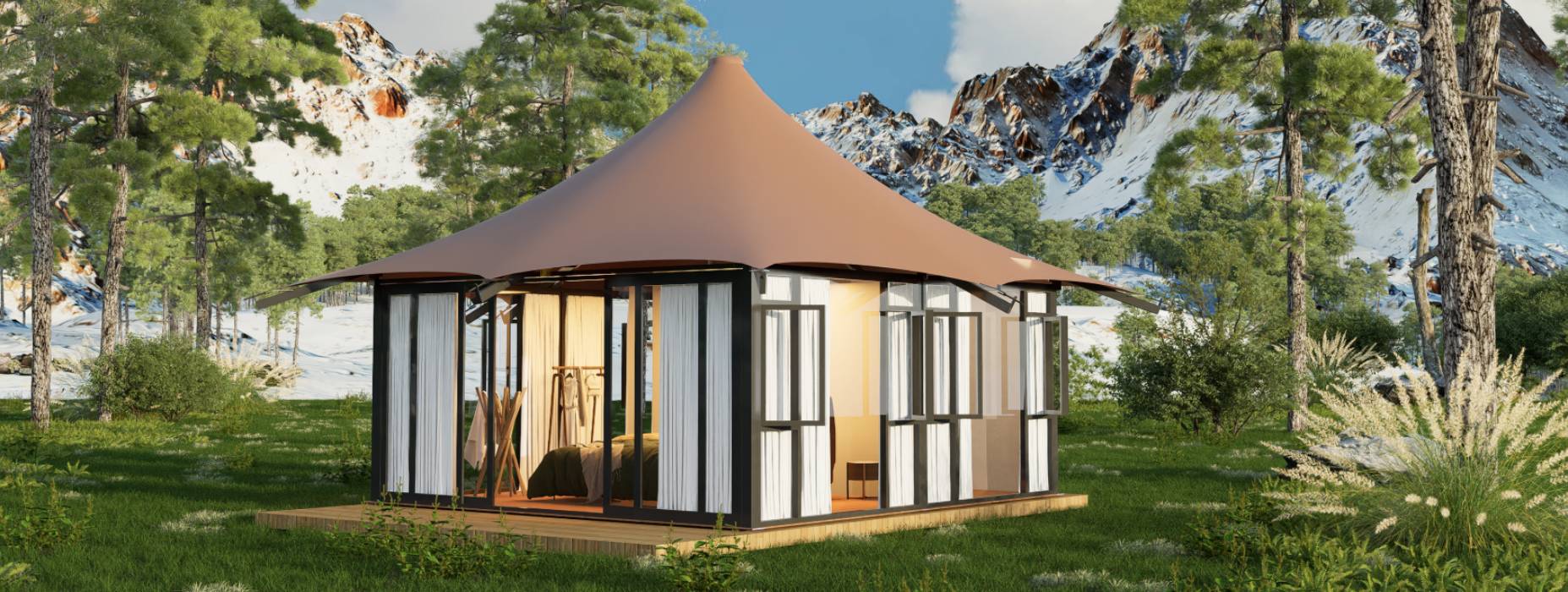
When it comes to camping, choosing the right tent is crucial for a comfortable and enjoyable experience. Two popular options that often come under consideration are lodge tents and traditional tents. In this head-to-head comparison, we will explore the features, advantages, and disadvantages of each to help you make an informed decision.
Structure and Design
Lodge tents are typically larger and more spacious than traditional tents. They often feature a more substantial framework, with sturdy poles and a solid base. This design provides better stability, allowing them to withstand stronger winds and adverse weather conditions. Lodge tents usually have a more upright shape, giving campers more headroom and a sense of roominess inside.
Traditional tents, on the other hand, come in a variety of shapes and sizes, but they generally have a more lightweight and compact design. They are often easier to set up and pack away, making them a popular choice for backpackers and those who need to travel light. Traditional tents may have a more sloping profile, which can reduce the amount of usable space inside but also makes them more aerodynamic and less likely to catch the wind.
Interior Space and Comfort
One of the main advantages of lodge tents is their generous interior space. They can comfortably accommodate multiple people, along with camping gear, and even provide room for additional features such as cots, tables, and chairs. The larger size also allows for better ventilation, reducing the likelihood of stuffiness and condensation inside the tent.
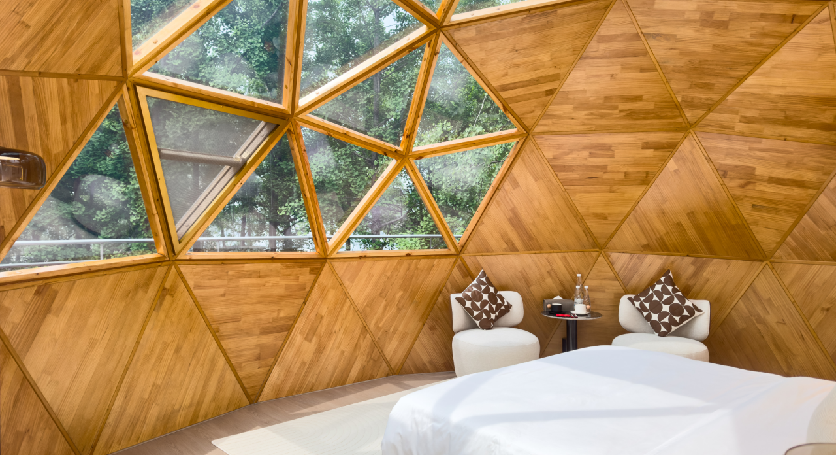
Traditional tents, while more limited in space, can still offer a cozy and functional sleeping area. Some models are designed specifically for solo campers or couples, providing a snug and private sleeping space. However, for larger groups, traditional tents may feel cramped, and it can be challenging to fit all the necessary equipment inside.
Weather Resistance
Lodge tents are generally better equipped to handle harsh weather conditions. Their robust structure and reinforced fabric make them more resistant to wind, rain, and snow. Many lodge tents also come with additional features such as rainflys, vestibules, and reinforced seams to enhance their weatherproofing capabilities.
Traditional tents, although they can vary in their weather resistance depending on the model and materials used, are generally less suitable for extreme weather. Their lighter construction and thinner fabrics may not provide the same level of protection as lodge tents, especially in strong winds or heavy rain. However, there are lightweight, high-quality traditional tents available that offer decent weather resistance for more moderate conditions.
Setup and Ease of Use
Setting up a traditional tent is often quicker and simpler than a lodge tent. Their lightweight design and straightforward pole systems make them easy to assemble, even for beginners. Traditional tents typically require fewer poles and guy lines, reducing the time and effort needed for setup.
Lodge tents, due to their larger size and more complex structure, can take longer to set up. They may require multiple people to handle the poles and fabric, and the assembly process can be more involved. However, some lodge tents come with pre-attached poles or simplified setup instructions to make the process easier.
Cost
In general, lodge tents tend to be more expensive than traditional tents. Their larger size, higher-quality materials, and more robust construction contribute to their higher price point. However, the cost can vary depending on the brand, features, and size of the tent.
Traditional tents, especially those in the budget range, offer a more affordable option for camping. There are many lightweight and basic traditional tents available at reasonable prices, making them accessible to a wider range of campers.
In conclusion, the choice between a lodge tent and a traditional tent depends on your specific camping needs and preferences. If you prioritize space, comfort, and weather resistance, and don't mind a more substantial setup process and higher cost, a lodge tent may be the right choice. On the other hand, if you need a lightweight, easy-to-set-up tent for solo or minimalist camping, or if you're on a budget, a traditional tent could be a better fit. Consider your camping style, the conditions you'll be camping in, and the number of people you'll be camping with when making your decision. Whichever tent you choose, it will be your home away from home in the great outdoors, providing shelter and comfort during your adventures.