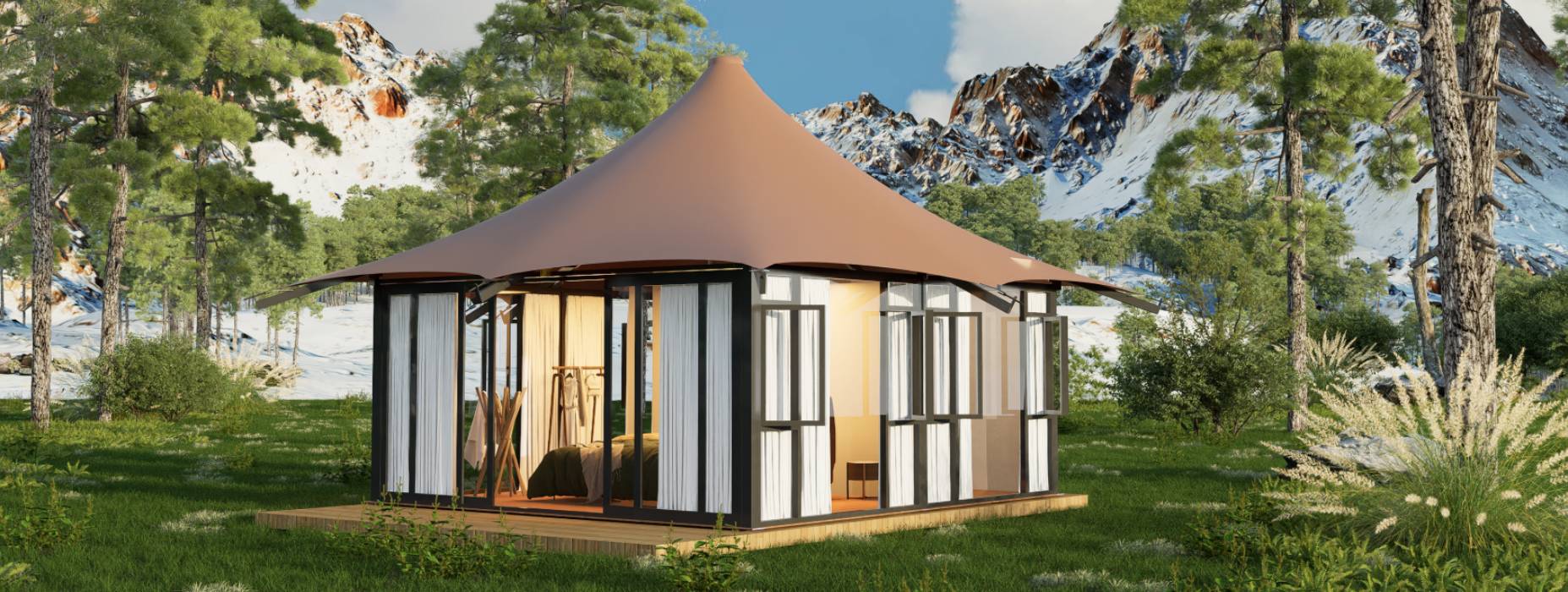
Imagine falling asleep beneath a canopy of stars, lulled by the gentle rustle of leaves and the distant calls of nocturnal creatures. Now picture waking up not in rough canvas bedding, but on plush linens with soft pillows—all within a spacious tent equipped with climate control, elegant furnishings, and even an en-suite bathroom. This seamless blend of raw nature and refined luxury defines the modern phenomenon known as luxury glamping tents. Far from traditional backpacking or basic campsites, these structures redefine outdoor hospitality by offering guests the best of both worlds: unfiltered connection to the environment paired with five-star amenities. Let’s explore why this trend has captivated travelers seeking unforgettable experiences without sacrificing comfort.
A Symphony of Design and Functionality
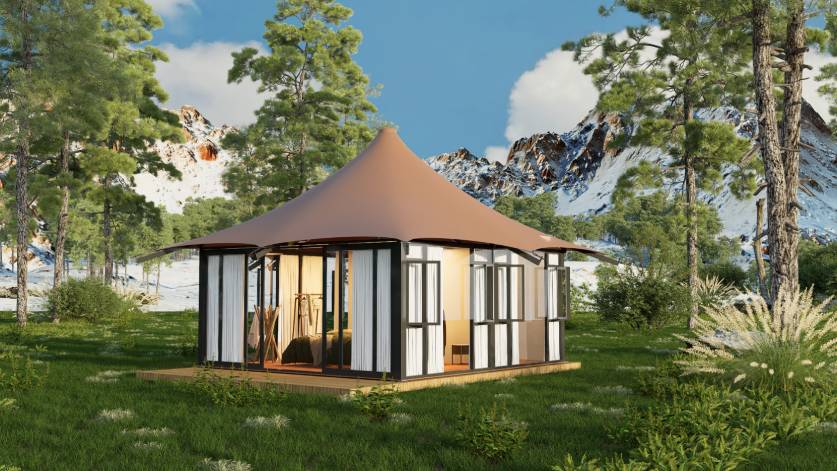
At first glance, a luxury glamping tent resembles its humble ancestors—circular or geodesic shapes made from durable materials like waterproof canvas or high-tech polymers. But look closer. Many feature floor-to-ceiling windows framing panoramic views, allowing light to flood interiors during golden hour while maintaining privacy through strategic shading systems. Inside, you might find hardwood floors covered by handwoven rugs, designer lighting fixtures casting warm glows across bespoke furniture, and climate-regulated air systems ensuring optimal temperatures regardless of season. Some include private decks overlooking valleys or forests, complete with rocking chairs for morning coffee rituals. Others boast rainfall showers, soaking tubs positioned to gaze at constellations after dark, and minibars stocked with regional wines. Every detail intentionally bridges rugged landscapes with sophistication—think solar-powered charging stations hidden inside vintage trunks or organic toiletries sourced locally.
Why Choose Glamping Over Conventional Lodging?
For eco-conscious adventurers, glamping minimizes environmental impact compared to building permanent resorts. Its temporary structures leave smaller carbon footprints, often utilizing existing infrastructure like shared water sources or renewable energy grids. Families appreciate how it introduces children to wild spaces safely; parents relax knowing kids can run barefoot on grass instead of hotel carpets. Couples cherish the romance of firefly evenings without giving up king-sized beds. And solo travelers value the solitude found in remote locations accessible only via dirt roads—where silence becomes therapy, broken only by wind whispering through pines. Unlike hotels confined by four walls, here your bedroom changes daily: one night facing mountain peaks, another bordering lakeshores where herons wade gracefully at dawn.
Real Stories from Around the Globe
Consider Sarah, a travel writer who spent three nights in Kenya’s Maasai Mara reserve inside a safari-style tent elevated on stilts. “I expected bugs,” she admitted later, “but woke instead to giraffes browsing outside my window! The tent had a copper basin sink carved by local artisans—it felt like staying in someone’s cherished home rather than a generic lodge.” Then there’s James, an architect fascinated by tension structures he encountered during Iceland’s northern lights season. His tent incorporated thermal panels reflecting heat back indoors while transparent ceiling panels transformed his sleeping area into a personal planetarium each night. Even celebrities join the craze; Gwyneth Paltrow famously hosted friends in custom yurts outfitted with chandeliers during Montana retreats. These narratives reveal universal truth: when comfort meets wilderness authentically, memories crystallize into lifelong treasures.
Crafting Unforgettable Moments
What truly sets luxury glamping apart is its curation of experiences beyond mere accommodation. Picture arriving at dusk guided by lanterns held by staff dressed in safari uniforms who serve welcome drinks infused with wild berries picked earlier that day. Later, gather around communal fire pits roasting marshmallows beneath ancient oak trees while storytellers share folklore tied to those lands. At dawn participate in guided meditation sessions led by yogi instructors practicing amid dewy meadows. Or embark on curated hikes ending at secret picnic spots loaded with artisan cheese boards paired with biodynamic wines produced within miles. Some camps arrange horseback rides along beaches leading directly back to your tented suite—no transfer needed! It’s hospitality choreographed around place itself, turning stays into immersive cultural exchanges rather than transient stops.
Towards Conscious Travel
As demand grows, forward-thinking operators prioritize sustainability through innovative practices. Solar arrays power common areas; greywater recycling irrigates native gardens; composting programs eliminate waste entirely. Community partnerships ensure profits support conservation efforts—say protecting endangered rhino populations through anti-poaching units funded partly by tourism dollars. Guests leave places better off than they found them—a radical shift from mass tourism models. As one Tanzanian camp manager put it simply: “We don’t own this land; we borrow it from future generations.” That ethos transforms leisure into legacy-building responsibility.
In essence, luxury glamping tents represent humanity’s oldest dream made new again—to dwell among stars yet return refreshed by earthly pleasures. They prove paradise needn’t require sacrifice; instead, it thrives where innovation honors tradition, and wilderness embraces wellbeing. So next time you yearn for escape, remember: sometimes the grandest palace exists where sky meets ground—and comfort waits patiently inside silken walls smelling faintly of cedar smoke from nearby campfires.