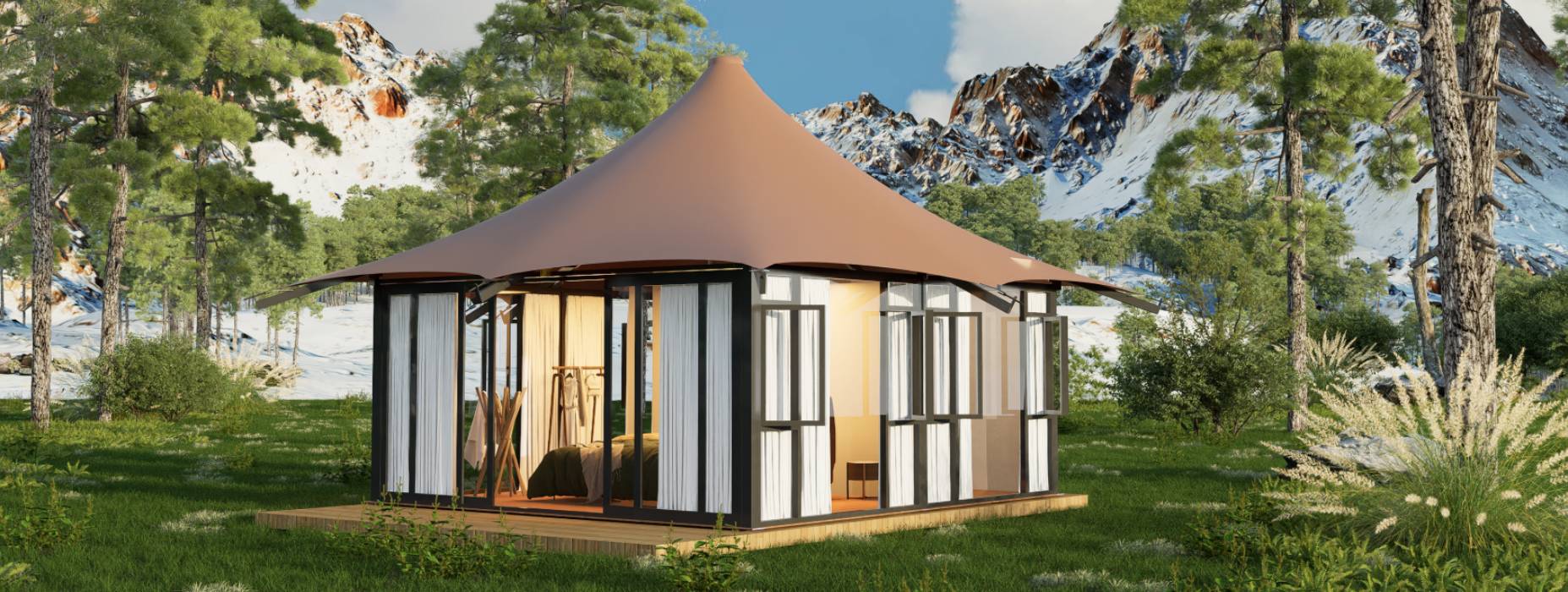
In an era where environmental awareness is on the rise, the concept of eco-conscious luxury has emerged as a significant trend, and safari tents are at the forefront of this sustainable revolution.
Safari tents have long been associated with adventure and a connection to nature. However, in recent years, there has been a growing emphasis on making them not only a comfortable accommodation option but also an environmentally friendly one.
These tents are designed with a focus on minimizing their ecological footprint. The materials used in their construction are carefully selected for their sustainability. For instance, many safari tents now feature natural fabrics such as cotton or linen, which are biodegradable and have a lower environmental impact compared to synthetic materials. These fabrics allow for better ventilation and breathability, creating a more pleasant living environment while also being gentle on the planet.
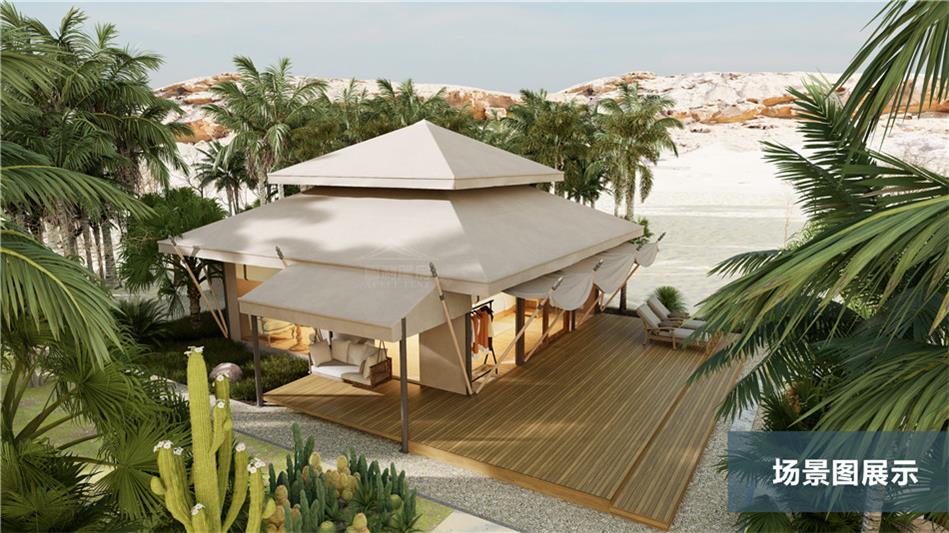
In addition to the choice of materials, energy efficiency is a crucial aspect of the eco-conscious safari tent. Solar panels are increasingly being incorporated into the design, providing a renewable source of power for lighting, charging devices, and running small appliances. This reduces the reliance on non-renewable energy sources and helps to cut down on carbon emissions. Some tents also come with energy-efficient lighting fixtures that consume less electricity while still providing sufficient illumination.
Water conservation is another key consideration. Safari tents are often equipped with water-saving fixtures such as low-flow faucets and efficient showerheads. Rainwater harvesting systems are also becoming more common, allowing the collection of rainwater for various uses like watering plants or flushing toilets. This not only helps to conserve precious freshwater resources but also reduces the demand on local water supplies.
The location of safari tents is also planned with environmental sensitivity in mind. They are typically set up in areas that have minimal impact on the surrounding ecosystem. This means choosing sites that are already disturbed or have a low biodiversity value, rather than encroaching on pristine natural habitats. By doing so, they can offer guests a close encounter with nature while still protecting the delicate balance of the environment.
Furthermore, many safari tent accommodations are committed to supporting local communities and conservation efforts. They may collaborate with local tribes or conservation organizations, providing employment opportunities for the locals and contributing to the protection of wildlife and natural areas. This symbiotic relationship ensures that the sustainable development of safari tents benefits both the environment and the people who depend on it.
The future of safari tents lies in their continued evolution towards greater eco-consciousness. As technology advances, we can expect to see even more innovative features being incorporated to make them even more sustainable. For example, the development of new insulation materials that are both effective and environmentally friendly could further enhance the energy efficiency of the tents. Smart home technologies could also be integrated to optimize energy usage and provide a more seamless and sustainable living experience for guests.
In conclusion, eco-conscious luxury safari tents represent a promising future for sustainable tourism. They offer a unique way for travelers to experience the beauty of nature while minimizing their environmental impact. By combining comfort, style, and sustainability, these tents are not only a haven for adventure seekers but also a force for positive change in the world of tourism and environmental conservation. As more people become aware of the importance of sustainable travel, safari tents are likely to become an increasingly popular choice, leading the way towards a greener and more sustainable future for outdoor accommodation and exploration.