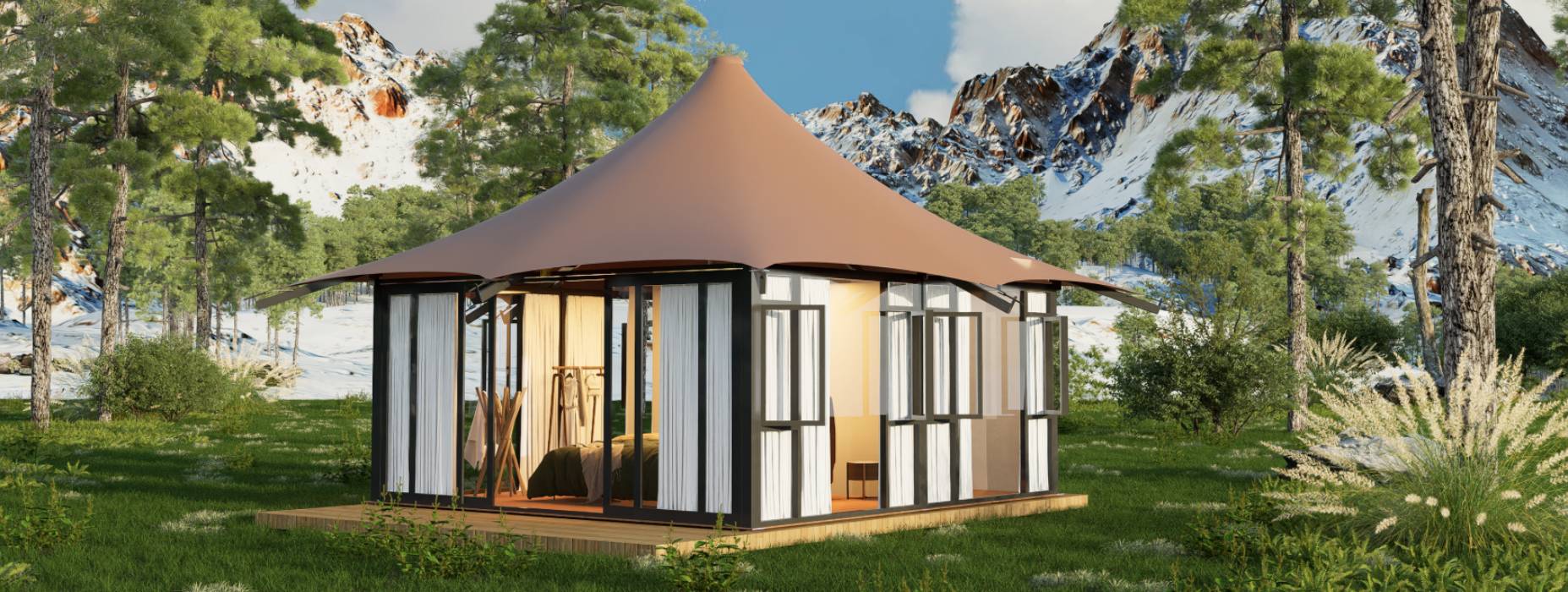
When most people think of glamping, they think of cozy fires and crisp autumn air. But glamping in hot climates requires proper cooling. Air conditioning in a glamping tent is essential for guest comfort during summer months. This guide covers everything you need to know about cooling your glamping tents.
Why Air Conditioning Matters
Guest Comfort in Hot Climates
Canvas tents can get hot in direct sun. Without proper cooling, your tents become uncomfortably warm—even unbearable in summer. Guests expect hotel-level comfort, and that includes staying cool.
Year-Round Operation
If you want to operate year-round in a warm climate, air conditioning is non-negotiable. Without it, you're limited to the cooler months only.
Higher Occupancy
Tents with air conditioning can command occupancy even in peak summer. Competitors without AC sit empty. It's a competitive advantage.
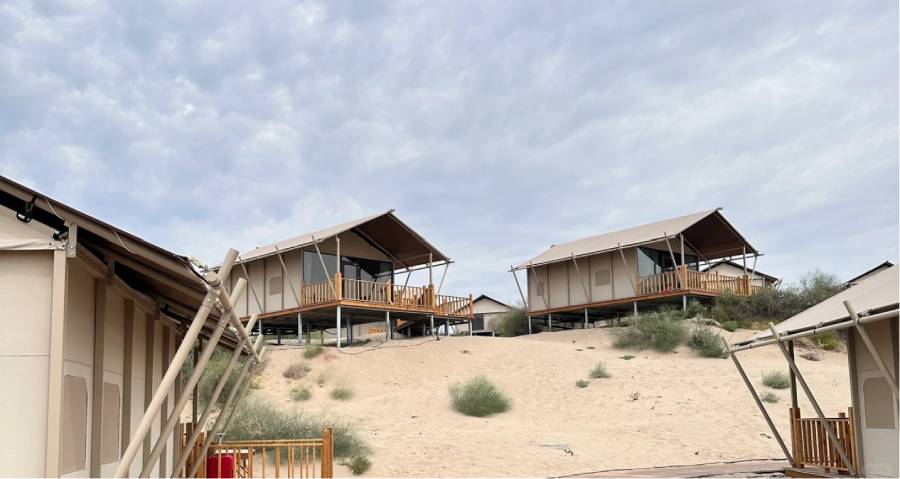
Types of Air Conditioning for Glamping Tents
Portable Air Conditioners
Portable AC units are the most common choice. They're affordable, easy to install, and flexible.
Pros:
• Affordable ($300-$800)
• Easy to install
• Can be removed seasonally
• No permanent modifications
Cons:
• Less efficient
• Noisy
• Take up floor space
• Need to vent the hot air outside
Ductless Mini-Split Systems
Mini-split AC units are more permanent and efficient.
Pros:
• Very efficient
• Quiet operation
• Mounted out of the way (wall or ceiling)
• Heats and cools
Cons:
• More expensive ($1,500-$3,000 installed)
• Requires professional installation
• More permanent
Window or Through-Wall Units
Standard window AC units can be adapted for tents.
Pros:
• Inexpensive
• Widely available
Cons:
• Need a custom opening in the tent
• Less efficient
• Noisy
Choosing the Right Size
BTU Sizing
Air conditioners are measured in BTUs (British Thermal Units). Choose the right size for your tent:
• 20 sqm tent: 5,000-8,000 BTU
• 30 sqm tent: 8,000-12,000 BTU
• 40 sqm tent: 12,000-18,000 BTU
• 60 sqm tent: 18,000-24,000 BTU
Size matters—too small and it won't cool; too large and it cycles on/off too frequently.
Account for Heat Gain
Tents get hot from:
• Direct sun on the canvas
• Body heat from guests
• Electronics and lights
• Kitchen appliances
Size up slightly if your tent gets direct sun all day.
Installation Tips
Venting the Hot Air
Portable AC units need to exhaust hot air. Common solutions:
• Vent through a window or door opening
• Custom vent port in the tent wall
• Exhaust through the floor or deck
Make sure the vent is sealed well—you don't want hot air leaking back in.
Electrical Requirements
Check your power supply. Air conditioners draw significant power:
• Small units: 500-800W
• Medium units: 800-1,200W
• Large units: 1,500W+
Make sure your electrical system can handle the load. You may need dedicated circuits.
Placement
Where you put the AC matters:
• Near a corner (out of walkways)
• Close to a power outlet
• Where the vent can reach outside
• Where air circulation reaches the whole space
Improving Cooling Efficiency
Insulation
Better insulation means better cooling. Options:
• Insulated canvas (upgrade when buying tents)
• Thermal blinds or curtains
• Reflective roof coating
Insulated tents stay cooler in summer and warmer in winter.
Shade
The simplest cooling solution is shade. Position your tents:
• Under trees (deciduous trees give summer shade, winter sun)
• On the north side of buildings or hills
• With awnings or shade sails
Shade can reduce tent temperature by 10-15°C.
Cross Ventilation
Natural ventilation helps:
• Open windows and doors for cross-breeze
• Use fans to circulate air
• Exhaust fans in hot attic space
Alternative Cooling Methods
Ceiling Fans
Ceiling fans don't cool the air, but they make it feel cooler by moving air over skin. They're cheap to run and make a big difference.
Evaporative Coolers
In dry climates, evaporative coolers work well. They use water to cool air—much less electricity than AC. They don't work as well in humid climates.
Outdoor Misters
Misters on the deck or around the tent create a cooling microclimate. Great for hot, dry locations.
Operating Costs
Electricity Usage
Air conditioning uses significant electricity. Typical costs:
• Small unit: $0.15-$0.30 per hour
• Medium unit: $0.30-$0.50 per hour
• Large unit: $0.50-$0.80 per hour
Factor this into your operating costs. Guests expect AC, so it's a cost of doing business.
Energy Efficiency
Choose energy-efficient models. Look for:
• Energy Star ratings
• Inverter technology (more efficient)
• Programmable thermostats
More efficient units cost more upfront but save money over time.
Frequently Asked Questions
Do I need air conditioning in my glamping tents?
It depends on your climate and operating season. If you operate in a hot climate during summer, yes—AC is essential for guest comfort. In milder climates or seasonal operation (spring/fall only), you might get by without it. But if you want to attract high-end guests and operate year-round, AC is expected.
What's the best air conditioning for glamping tents?
It depends on your budget and setup. Portable AC units are the easiest and cheapest option—just roll them in and vent out a window. Ductless mini-splits are more efficient and quieter but require installation. For permanent, year-round luxury glamping, mini-splits are the best choice. For seasonal or budget setups, portable units work fine.
How do I power air conditioning in an off-grid location?
Off-grid AC requires significant power. Options:
• Generator (loud and expensive to run)
• Solar panels + battery (works for small units, but needs a big system)
• Connect to grid power if possible
For off-grid luxury glamping, solar + battery systems are becoming more viable. Just make sure you size the system correctly.
How can I keep my glamping tent cool without AC?
If you can't install AC, try these cooling strategies:
• Position tents in shade
• Use light-colored canvas (reflects sun)
• Good cross-ventilation
• Ceiling or pedestal fans
• Insulated roof or reflective coating
• Outdoor misters on the deck
These help, but in hot climates, AC is still the gold standard.
Conclusion
Air conditioning is an important amenity for glamping, especially in warmer climates. It ensures guest comfort, extends your operating season, and gives you a competitive edge. Whether you choose affordable portable units or invest in efficient mini-split systems, proper cooling pays for itself in higher occupancy and better reviews.
Remember that cooling starts with good design—shade, insulation, and ventilation all work together with your AC system. By planning for cooling from the start, you create glamping tents that are comfortable and inviting year-round.