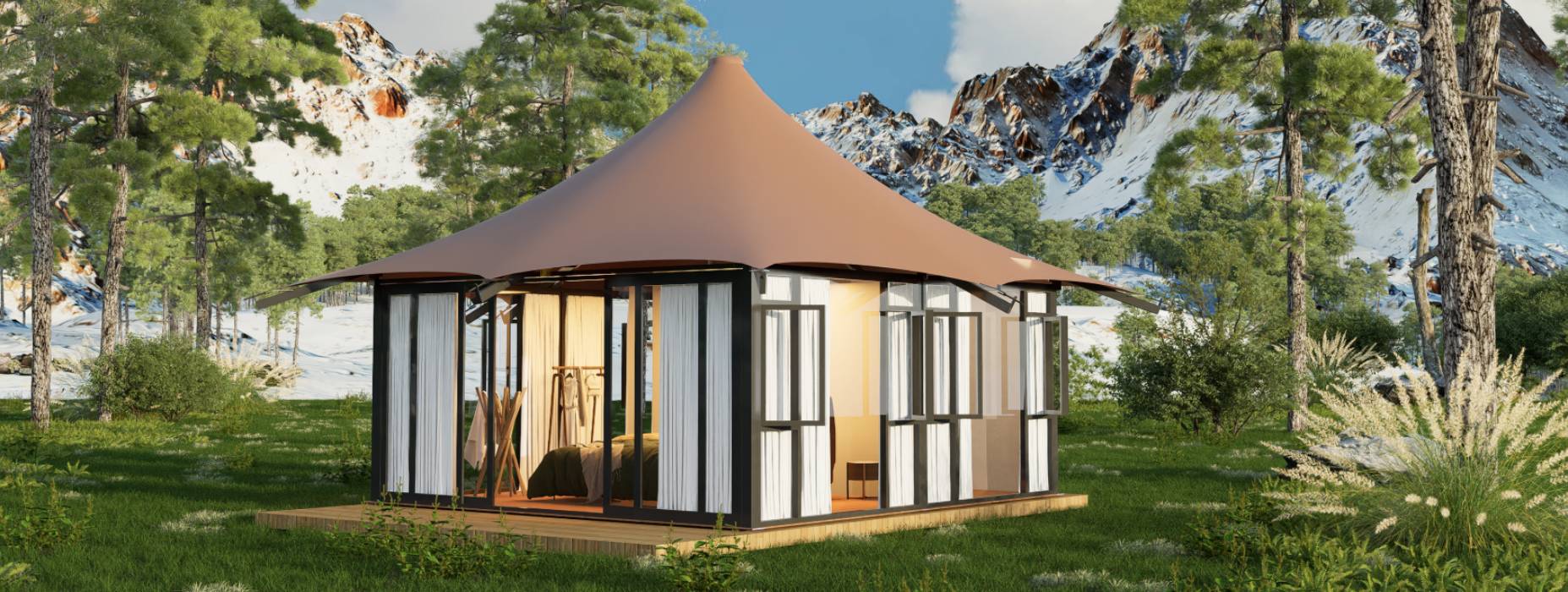
Understanding glamping tent factory pricing is essential when planning a glamping project. A factory price list gives you a baseline for budgeting, but it's important to understand what's included, what affects pricing, and how to get an accurate quote for your specific needs. This guide explains how factory price lists work, what typical pricing looks like, and how to interpret them for your project.
What Is a Factory Price List?
A factory price list is a published pricing guide from a tent manufacturer. It typically lists base prices for standard tent models, sizes, and configurations. Price lists are useful for getting a rough idea of costs, but keep in mind that they usually reflect base models only—customizations, shipping, and installation are typically extra.
Typical Glamping Tent Price Ranges
Safari Tents (Shell Only)
Safari tents are the most popular glamping accommodation. Typical factory pricing:
• 4m x 5m (20 sqm): $2,500-$4,500
• 5m x 6m (30 sqm): $4,000-$7,000
• 5m x 8m (40 sqm): $6,000-$10,000
• 6m x 10m (60 sqm): $10,000-$18,000
These prices are for the tent shell only—frame + canvas + basic doors/windows.
Geodesic Domes (Shell Only)
Geodesic domes are another popular option. Typical pricing:
• 5m diameter (20 sqm): $3,000-$5,000
• 6m diameter (28 sqm): $5,000-$8,000
• 7m diameter (38 sqm): $7,500-$12,000
• 8m diameter (50 sqm): $12,000-$18,000
Stargazing domes with transparent polycarbonate roofs typically add 30-50% to the base price.
Eco Lodge Tents
Eco lodge tents vary more in price based on design complexity:
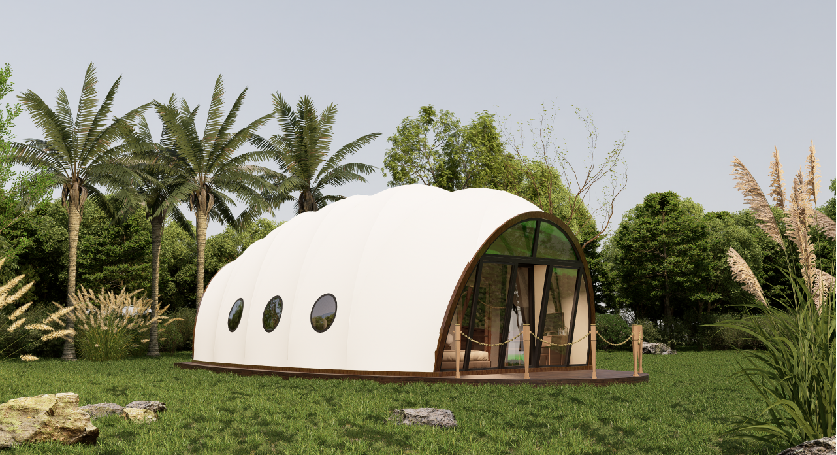
• Small eco pods: $3,000-$6,000
• Medium eco lodges: $6,000-$12,000
• Large luxury eco lodges: $12,000-$25,000+
Fully Furnified Units
If you buy a fully outfitted unit (tent + furniture + bathroom + deck), expect to pay 2-3x the shell price. A fully furnished luxury glamping unit typically costs $15,000-$40,000+ depending on size and level of luxury.
What Affects Factory Pricing?
Size and Dimensions
The biggest factor in price is size. Larger tents use more materials, require stronger frames, and take longer to produce. Going from a 4m x 6m to a 5m x 8m tent doesn't just add a little—it significantly increases material costs and labor.
Materials Quality
The quality of materials dramatically impacts price:
•Canvas weight: Heavier, more durable canvas costs more than lightweight options
•Frame material: Aluminum costs more than steel; wood costs more than both
•Hardware: Stainless steel or brass hardware costs more than galvanized steel
•Windows and doors: More windows, better quality = higher price
Features and Add-ons
Additional features increase the price:
• En-suite bathroom integration
• Kitchenette rough-ins
• Insulation layers
• Transparent roof sections
• Multiple doors and windows
• Custom colors or branding
• Flooring systems
Quantity
Factory pricing is tiered by quantity. Typical volume discounts:
• 1-4 units: base price (highest per-unit cost)
• 5-9 units: 10-15% off
• 10-24 units: 20-30% off
• 25+ units: 30-40%+ off
What's NOT Included in the Base Price?
Most factory price lists show base prices only. Be prepared for additional costs:
Shipping and Logistics
Factory price usually doesn't include shipping. If you're buying internationally, factor in:
• International freight (sea shipping is most common)
• Customs duties and import taxes
• Domestic delivery to your site
Shipping can add 15-30% to the total order cost for international buyers.
Installation
Installation costs vary:
• DIY: free (but labor-intensive)
• Local contractors: varies by region
• Factory installation team: premium but professional
Site Preparation
Don't forget site work:
• Leveling and clearing
• Deck platforms
• Utility connections
• Access roads
Site preparation can easily be 20-40% of your total project budget.
Furniture and Furnishings
The tent price is just the structure. Furniture, bedding, lighting, and decor are extra. Budget accordingly—interior fit-out typically costs as much as the tent itself.
How to Get an Accurate Quote
Be Detailed in Your Request
The more detailed your request for quote (RFQ), the more accurate the pricing. Specify:
• Exact dimensions
• Frame material and thickness
• Canvas material and weight
• Number and type of doors/windows
• Any custom features
• Quantity needed
Ask for a Full Breakdown
Ask for a detailed quote that breaks down costs by component. This helps you understand exactly what you're paying for and compare quotes more easily.
Get Multiple Quotes
Always compare quotes from at least 3-5 factories. Prices can vary significantly for similar products. But make sure you're comparing the same specifications.
Ask About Hidden Costs
Be upfront about asking what's NOT included. Make sure there are no surprise costs later. Good factories are transparent about pricing.
Reading Between the Lines
Too Good to Be True?
If a price seems much lower than competitors, be cautious. Cheaper tents often mean:
• Thinner canvas
• Lighter frame tubing
• Cheaper hardware
• Less durable construction
You get what you pay for—especially with structures that need to withstand years of outdoor weather.
Premium Pricing
On the other hand, higher prices don't always mean better quality either. Some factories charge premium prices for brand reputation rather than actual quality. Compare specifications, not just prices.
Frequently Asked Questions
Why do prices vary so much between factories?
Pricing varies because of differences in materials quality, construction standards, factory overhead, and profit margins. A factory using 850gsm canvas will charge more than one using 450gsm canvas. A factory with better quality control and engineering will charge more than a budget workshop. Always compare the actual specifications, not just the price tag.
Can I negotiate factory prices?
Yes, factory prices are often negotiable, especially for larger orders. Don't be afraid to ask about additional discounts, free shipping, included spare parts, or extended warranty. Even a 5% additional discount on a 20-unit order saves thousands. Be polite but firm—most factories have some flexibility.
Do price lists change?
Yes, factory price lists can change due to material costs, exchange rates, and market conditions. The price you see today may not be the price next month. For large projects, ask if the factory can lock in pricing for a certain period. Get your quote in writing and confirm it's valid for at least 30-60 days.
What's the cheapest way to buy glamping tents?
The cheapest approach is buying factory direct in bulk. Ordering multiple units at once qualifies for volume discounts. Buying from Chinese factories typically gives the lowest base prices, but factor in shipping and customs. DIY installation saves on labor costs. If you're strategic, you can get quality glamping tents at very affordable prices.
Conclusion
Understanding glamping tent factory pricing helps you budget accurately and get the best value for your investment. Factory price lists give you a starting point, but remember that they usually reflect base models only. Customizations, shipping, installation, and site work all add to the total cost.
When evaluating prices, look at the full picture—not just the sticker price. Consider quality, materials, support, and total delivered cost. The cheapest tent isn't always the best value. By doing your research, comparing quotes, and understanding what affects pricing, you can make an informed decision that fits your budget and your standards.